OPINION: One of the better parts of being on the Ashburton water zone committee is you get to meet interesting people out in the field and you are not always stuck in the committee room.
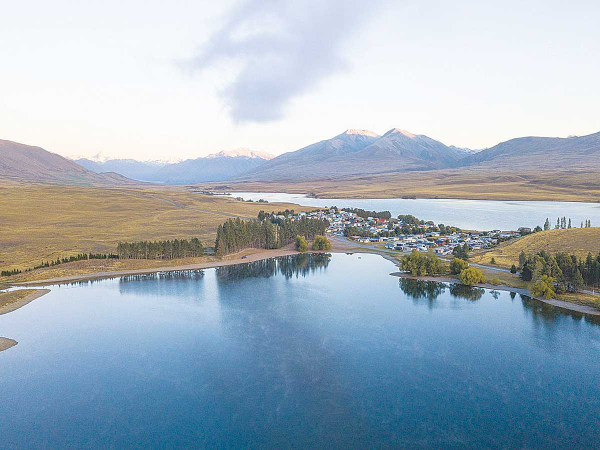
Late last month I did just that. With the reasonably new chief executive of Environment Canterbury Stefanie Rixecker, and driven by Councillor Ian Mackenzie, we visited lakes Camp and Clearwater. Both of these lakes bring me good memories of time spent as a youth water skiing, fishing and having the odd BBQ.
So it was concerning for all three of us to see first-hand what is happening to the clarity of Lake Clearwater.
During our drive, I gained some understanding of what Stefanie as the CE has to juggle to make environmental and financial decisions, getting people to work as one to achieve a satisfactory outcome for all.
I got the impression Stefanie has a lot of knowledge, especially in science, and is keen to learn more about what is happening around the region. She also enjoys meeting people whose lives are most influenced by the areas we visited.
The main issue with Lake Clearwater this day was the decreased water clarity, caused by an increase in nutrients and phytoplankton.
This is probably only the first stage of deterioration, and the lake’s condition may get worse before it gets better.
This is partly the result of a disconnect between water planning and land use planning.
After visiting the lakes, we met with a farming couple to quickly run over their views on waterway fencing in the high country.
Then on down to the mouth of the Rangitata, where we meet with a local farmer and then an Arowhenua rūnanga member where we discussed minimum flows, salmon fishing and nitrate levels.
Finally, we stopped off at a lowland stream to see a joint initiative between Environment Canterbury and the Eiffelton Irrigation scheme to run a solar powered well pump.
This keeps water in the drain at a low energy cost, maintaining a healthy fish habitat. We could see more fish in that drain than in Lake Clearwater.
While Stefanie could not promise instant solutions to our many challenges that would make everyone perfectly happy, she gained further insights from seeing these issues first-hand and was good, informative company.
Stefanie is now bringing some more councillors along on the “Hills to sea and everything in between” trip early next month.
William Thomas is the chair of Ashburton Water Zone Committee.