
Red Meat Farmers Welcome Labour's Emissions Pricing Pledge
Red meat farmers are welcoming Labour’s plan to review the Emissions Trading Scheme and not to campaign on pricing agricultural emissions.




 increase font size
OPINION: A group of University of Auckland academics claim a carbon tax is the most effective way for New Zealand to cut emissions while supporting a stable economy.
The follows a study comparing the effects of three environmental policies: carbon taxes, emissions trading schemes and emission intensity targets on the economy. It also explores environmental impacts on the economy by factoring in how pollution spreads across regions. They admit that carbon taxation may increase the cost of living, particularly by increasing food, transportation and energy prices. Relying on the ETS for emissions reduction is ineffective in terms of meeting NZ’s environmental goals, and agricultural emissions pose a considerable challenge, they say.
No right-minded Government would back a carbon tax that causes more pain than gain, especially for the agriculture sector that remains the backbone of the national economy.
Red meat farmers are welcoming Labour’s plan to review the Emissions Trading Scheme and not to campaign on pricing agricultural emissions.
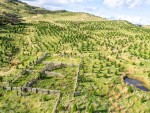
The New Zealand Institute of Forestry (NZIF) says unnecessary changes to New Zealand’s Emissions Trading Scheme (NZ ETS) will seriously erode investor confidence and result in significant reductions in forest planting rates.
OPINION: Being a stock manager of a Government MP's farm can come in handy.
OPINION: Groundswell's opinion of the incumbent farm industry representatives isn't high.
New Zealand's Emissions Trading Scheme (NZ ETS) encourages afforestation while not achieving climate goals, says a new report released by the Parliamentary Commissioner for the Environment, Simon Upton.


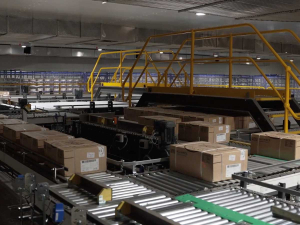
Alliance is calling for final applications for its 2027 Graduate Programme, with applications closing on Sunday 25 October.
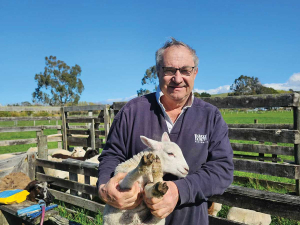
Decades piloting planes has ensured vet and farmer David Hayes is focused on safety. So, after a serious accident while welding on farm, he is sharing his experience so others can learn from it.
Canterbury milk processor, Synlait Milk has confirmed Leon Fung as its chief executive officer.
OPINION: Making it easier to collect rainwater and use it to grow crops and livestock is a no brainer.
As part of its Election 2026 coverage, Rural News asked political parties how they would help pull the arable sector out of the doldrums. Here's what they said:
Farmers are being encouraged to rethink how they manage waste on farm with the launch of ruralwastesorted.co.nz, a new website bringing together practical tips, real farmer experiences and resources.

OPINION: It seems Canterbury processor Synlait is still in the doldrums.
OPINION: Get offside with New Zealand First leader Winston Peters at your own peril.




