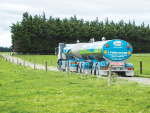
Fonterra FY26 Results: $9.69 Milk Price, $3.4bn Profit
Fonterra has unveiled its annual results for the 2026 financial year, posting $27 billion in revenue and close to $20 billion returned to New Zealand farmer owners and unit holders.




 increase font size
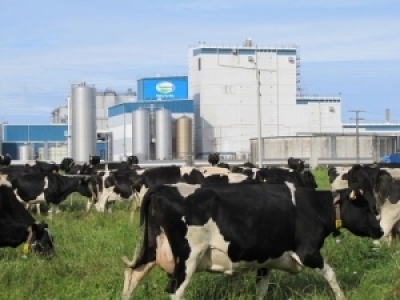
Fonterra and its farmer shareholders did not need this.
Times are tough on farm but Fonterra farmers are ploughing on, keeping a close eye on things they can control.
What they don't need is to be bailed up at the local pub or golf club by an irate contractor eager to gripe about Fonterra's bullying tactics.
In November Fonterra sent a generic letter to about 1000 NZ contractors, asking for more time to pay its bills. But suppliers have complained of bullying, after having their payment times extended to 61 days after the end of the invoicing month.
The suppliers got strong backing from many quarters; some business commentators who usually refrain from bashing Fonterra could not resist having a go at the co-op.
Speaking at the Future Farms Conference in Palmerston North, Waikato University professor of economics Frank Scrimgeour said the co-op's move was appalling and disappointing given it is the country's largest company.
Scrimgeour made it clear that in the past he has withheld negative comments about Fonterra but was speaking out now.
"I observe people in Waikato who have supplied services to Fonterra for more than 20 years, then they get 'a Dear John' letter; it's not even personalised.
"They get told the bills will not be paid for 90 days and that the co-op demands a price cut of 10%; that's not the way you do business.
"If you want to renegotiate a contract you face up to the supplier and talk face-to-face; this is very bad modelling, very unhelpful for the cause of dairying, very unhelpful for the reputation of Fonterra."
Scrimgeour says the dairy industry has to face many challenges that are not of its own making. Life's already difficult but Fonterra must play the game within the rules.
The message got home: at last week's half-year results announcement the Fonterra chairman read a prepared speech at the opening. He admitted Fonterra could have done a better job.
"We could have had better discussion with our vendors; we never intended to put any of our small businesses in a difficult situation."
But the damage is done; this is another clear example of Fonterra failing to get its message across to the masses.
Farmers want their cooperative to be a good corporate citizen. Such a heavy handed approach does little help to Fonterra's reputation.
Fonterra and its farmers prop up economies in regions and small towns nationwide; as the world's largest dairy exporter Fonterra has around 16,000 contractors worldwide. It has a social and moral responsibility to the country; bullying small rural contractors isn't the way to go.
Fonterra has unveiled its annual results for the 2026 financial year, posting $27 billion in revenue and close to $20 billion returned to New Zealand farmer owners and unit holders.
Fonterra Co-operative Group has confirmed the independently assessed candidates standing for election to its board in 2026.
Fonterra has revised its Farmgate Milk Price forecast for the 2026/27 season, lifting the midpoint and narrowing the range on the back of improving global dairy commodity prices.
Outgoing Fonterra Co-operative Council chair John Stevenson says that it has been a privilege to represent the co-op's farmer shareholders.
OPINION: It seems Canterbury processor Synlait is still in the doldrums.


Federated Farmers says it welcomes Labour's commitment to reviewing the Sharemilking Agreements Act, calling on other major parties to do the same.
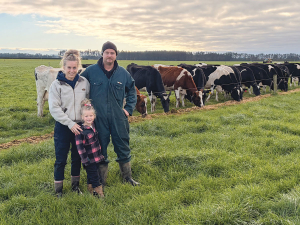
For Canterbury dairy farmers Sian Meijer and Rick Wobben, wearable technology has become one of their most valuable on-farm tools - helping manage 1850 cows across an expansive, high-performing dairy operation while improving efficiency, mating outcomes and day-to-day decision making.
Fonterra has unveiled its annual results for the 2026 financial year, posting $27 billion in revenue and close to $20 billion returned to New Zealand farmer owners and unit holders.
The first major update to the Dairy Cattle Code of Welfare in more than a decade has been released, marking what DairyNZ describes as an important step in ensuring animal welfare standards continue to evolve alongside scientific evidence and on-farm realities.
Ravensdown shareholders have elected Jane Montgomery and Kate Acland to the Ravensdown Board for three-year terms, following a closely contested director election.
Federated Farmers says new legislation replacing the Resource Management Act will cut red tape, unlock investment and help grow New Zealand's export-led economy, after the Planning Bill and Natural Environment Bill passed their third reading in Parliament yesterday.



OPINION: It seems Canterbury processor Synlait is still in the doldrums.
OPINION: Get offside with New Zealand First leader Winston Peters at your own peril.




