Dairy farmers are astute businessmen; there are many variables in farming that they can’t control – the weather, the currency, the payout forecast – so they remain focused on the things they can control.
Our cover story is about Matamata farmer Rex Butterworth, milking 480 cows. His farm will produce 19% more milk this season than last, which itself had finished 32% ahead of the previous season. Cost of production has dropped to $2.93/kgMS this season compared to $3.11/kgMS last season.
For farmers like Butterworth the dairy industry is not pervaded by doom and gloom; he has seen milk payout down before and his emphases remain – now as before – sound farm management, keeping cows in good condition and budgeting smartly.
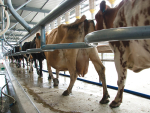
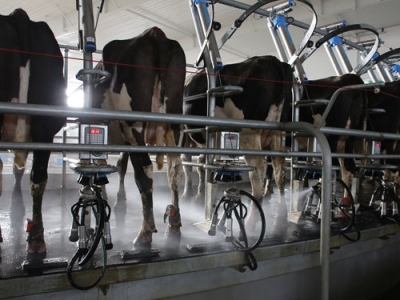
Another positive story in the dairy industry is about the operator of the world’s largest robotic installation under one roof, Aad van Leeuwen, South Canterbury. He is expanding, installing 24 Lely Astronaut A4 milking robots on a 1500-cow farm over the next six months. Van Leeuwen’s decision is a strong vote of confidence in the dairy industry.
Certainly some seasons are more challenging than others: 2014-15 and 2015-16 could be two of them. But as demonstrated by most dairy farmers, the business of farming requires that you take a long term view.
Some farmers may face cashflow challenges; best they talk to their bank sooner rather than later to devise plans to manage their business through the short and longer term.
Notwithstanding the recent large falls in GDT auction prices, and the gabbing of the doom merchants, the milk price outlook for this season and the medium term remains very good.
And farmers like Rex Butterworth know good times will return. On his farm he has pulled back on ‘luxury spending’ but not on spending essential to his regime of good basic farm management; cutting spending in ways that could harm his milk production down the track wouldn’t be smart. Watch costs closely and cut the cloth accordingly, he would say.
Farmers typically go deeper into the red during the peak producing months September, October and November because they are still getting an advance payout on their milk -- not the final price -- at a time when costs are ramping up.
The next six months will be tough but farmers have been there and done that before.