Mark Hooper Joins NZPork Board as Independent Director
Rural leader Mark Hooper has been appointed as an independent director to the NZPork board, bringing extensive farming, governance and advocacy experience to the role.




 increase font size
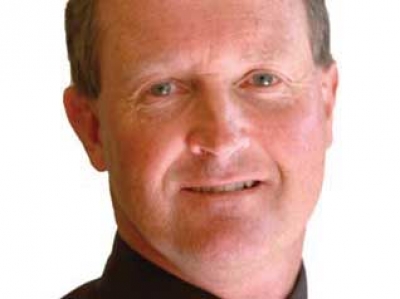 Rick Powdrell.
As the New Zealand dairy industry has expanded rapidly in recent years so too has the dairy support farm.
So what is the dairy downturn going to mean for the dairy support farmer? This important question needs serious thought by both sides of the industry.
Already we have seen many dairy animals not go out to previously arranged winter feed. Thankfully for those farmers who had grown this feed, the South Island drought and North Island floods meant there was an alternative market on which to sell it.
As dairy farmers trim costs many are also reducing cow numbers which in turn will mean fewer animals need to be retained and possibly young stock could now be grazed on the dairy platform.
So fewer stock to be grazed and reduced feed requirements for dairy farmers will see dairy support farmers having to review their farm policies.
The strength of beef and the favourable outlook will be seen by many dairy support farmers who have lost dairy stock as the logical policy to follow. This policy change would then pose another question: is there sufficient young beef stock to meet an increasing demand?
For dairy farmers to rear significant numbers of dairy beef calves will require a major mindset change -- from every possible drop of milk in the vat to one of assessing all possible revenue streams from their herd.
If we do see a swing to more beef being farmed and there’s no evident lift in the numbers of young stock reared, the competition for replacement stock will be intense.
Those affected parties should discuss any changes that may occur. If a one sided, abrupt change eventuates, the aggrieved farmer, from whichever side -- because it does happen both ways -- will often avoid entering a similar arrangement again.
It is important to weigh up where you want to be when the dairy industry returns to business as usual. That way, you won’t lose good relationships which may be beneficial in the future.
• Rick Powdrell is Federated Farmers board member.
Rural leader Mark Hooper has been appointed as an independent director to the NZPork board, bringing extensive farming, governance and advocacy experience to the role.

Chinese beef trade quotas and a looming suspension of Brazilian beef imports into the European Union are expected to reshape global beef trade flows over the remainder of 2026, with implications for New Zealand exporters, according to Rabobank's Q3 Global Beef Quarterly report.
The terrible floods that hit the Wairarapa may have subsided, but the danger to farmers still exists, according to local Federated Farmers president Rob Hickson.
Will a stronger, more coordinated voice help rebuild confidence and improve returns in the wool sector?
New Zealand's pest problem has reached crisis point, according to Federated Farmers' second National Pests Survey, which shows farmers are spending more money and effort on control — yet pest numbers keep climbing faster than they were two years ago.


Now in its fourth year, the 2026 Fencing Industry Awards, formed part of the proceedings of the FCANZ Conference, held in Nelson during August.
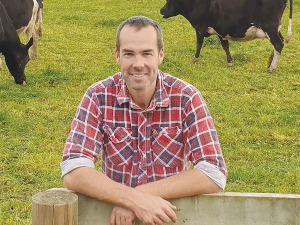
DairyNZ deputy chair Cameron Henderson has been re-appointed unopposed for another term.
OPINION: The stats speak for themselves.
Farms across the upper North Island are trialling different pasture mixes as part of a research programme that aims to build greater resilience into farming systems.
Election years are always a concerning time for farmers, according to DairyNZ chair Tracy Brown.
The Ballance Farm Environment Awards are coming to the West Coast of the South Island.


OPINION: It seems Canterbury processor Synlait is still in the doldrums.
OPINION: Get offside with New Zealand First leader Winston Peters at your own peril.