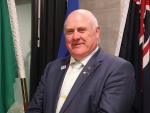
New Zealand and Ireland Extend $34.5m Climate Research Partnership for Agriculture
Ireland and NZ have concluded a deal to extend a joint research programme on climate change.




 increase font size
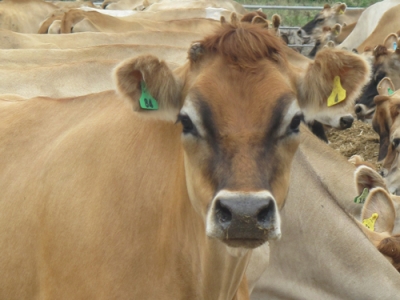 90% of Irish dairy farms would be classed as small.
Not all Irish farmers see the lifting of the Common Agricultural Policy (CAP) subsidies as a panacea.
Tom Browne, one of Ireland’s biggest dairy farmers, is not celebrating, according to a website report.
Browne, milking 850 cows in County Cork, is urging caution among dairy farmers, saying he does not believe predictions that demand will match rocketing supply.
He says the end of milk quotas presents an opportunity for young, ambitious farmers with the right land, but adds he’s nervous about such optimism. Browne says there is a risk of underestimating what the rest of Europe is going to do. He believes Europe’s milk production is going to soar.
“We have been told the end of milk quotas will create thousands of Irish jobs, but at farm level it is a very different story. Nobody has trained in farming in the last five years, so there is a huge skills gap. There are way too many co-ops. We have 20 management teams when we ought to have two – and farmers are paying for that.”
Another Irish dairy farmer, Tom Clinton – who also has a major dairy operation in NZ – says Ireland’s small farms will have to grow to stay competitive. The average farm there milks around 65 cows, compared to 400 in NZ.
“Scale must go up. When you look at global standards, 90% of Irish dairy farmers would be classed as small. The dairy farm of the future is going to have to be bigger.”
Clinton believes the lifting of the CAP quotas themselves will not help Irish dairy farmers.
“There are too many stars in everyone’s eyes. Dairy farming is not about getting rich quick, it is about working harder. Don’t complain about unsociable hours. Be diligent about your business. Dairy farming is all about keeping the cows alive and milking – not lame – with little or no mastitis, rearing all the heifer calves and not needing too many for replacements.”
Ireland and NZ have concluded a deal to extend a joint research programme on climate change.
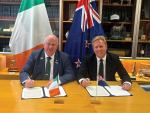
Ireland's Minister of state for Agriculture says it’s hard to explain to Irish farmers the size and scale of NZ farms.
The Irish Minister of State for Rural Communities says his country and New Zealand face very similar challenges on a range of issues related to agriculture, including climate change, biodiversity and rural depopulation.
In the rural landscapes of New Zealand and Ireland, a shared agricultural heritage thrives, built on a strong mixture of tradition and innovation, with mirror image climates earning both countries global acclaim for their food quality and sustainable agriculture.
MPI director general Ray Smith reckons NZ has a lot to learn from the Irish Agriculture and Food Development Authority – called Teagasc (pronounced ‘Chog us’).


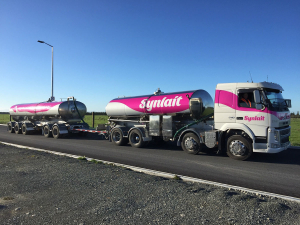
Synlait has swung to second-half profit as operations stabilise, but the dairy processor still posted a $75.4m annual loss.

LIC shareholders have elected a new North Island representative to the co-operative's Board, along with five representatives to its Shareholder Reference Group (SRG), following the company's Annual Meeting held in Invercargill.
Farmers across parts of Southland and South Otago are continuing to deal with difficult conditions after a prolonged run of wet weather, with pressure building around feed supply, stock management, pasture damage, farm infrastructure and everyday workloads.
Federated Farmers says it welcomes Labour's commitment to reviewing the Sharemilking Agreements Act, calling on other major parties to do the same.
For Canterbury dairy farmers Sian Meijer and Rick Wobben, wearable technology has become one of their most valuable on-farm tools - helping manage 1850 cows across an expansive, high-performing dairy operation while improving efficiency, mating outcomes and day-to-day decision making.
Fonterra has unveiled its annual results for the 2026 financial year, posting $27 billion in revenue and close to $20 billion returned to New Zealand farmer owners and unit holders.



OPINION: It seems Canterbury processor Synlait is still in the doldrums.
OPINION: Get offside with New Zealand First leader Winston Peters at your own peril.




