Fonterra Cuts 2026/27 Milk Price Forecast to $9.25
Fonterra has reduced its forecast 2026/27 Farmgate Milk Price.




 increase font size
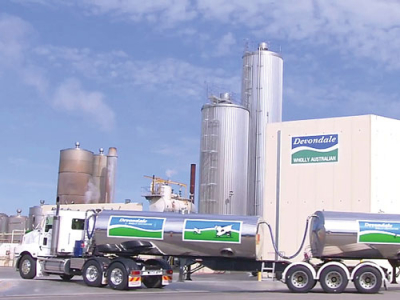 Fonterra has lost out to Canadian company Saputo in buying the troubled Australian dairy processor Murray Goulburn.
Fonterra's short reign as Australia’s biggest milk processor could be over early next year.
The co-op’s bid to buy troubled farmer-owned cooperative Murray Goulburn (MG) has failed; MG’s board is recommending farmer shareholders approve an A$1.3 billion bid from Canadian dairy giant Saputo.
If MG shareholders vote ‘yes’ at a special meeting early next year, Saputo will become Australia’s biggest milk processor; it already owns Warrnambool Cheese and Butter Company in Victoria.
Australian dairy analyst Steve Spencer, FreshAgenda, says Saputo could end up processing 2.8b - 3.0b L, nearly one-third of Australia’s total milk.
Spencer says Fonterra is expected to be the second largest processor at 2.5b L.
“Saputo’s milk intake will depend on whether they make further asset sales and let some milk go with those units (such as fresh milk plants and other sites that don’t fit their business),” Spencer told Rural News.
“One hard question is whether they can win back some milk that has recently left MG for other processors; part of the deal [with Saputo] is a loyalty bonus aimed at retaining and rebuilding supply.”
Following the turmoil over low milk payout over the past two years, some MG suppliers switched to other processors; Fonterra saw its milk pick-up jump from 1.6b L to over 2b L, making it the biggest processor.
In September Fonterra chairman John Wilson told Rural News that its Australian plants have reached capacity and now have a waiting list of would-be suppliers.
MG’s milk supply had fallen from 2.7b L last year to under 2b L this year.
MG’s demise signals the loss of the last major dairy co-op in Australia.
Warrnambool Cheese and Butter was also once a farmer-owned co-op, before listing on the ASX and ending up in the hands of Saputo.
Spencer says MG’s sale means there is at last some consolidation in processing and fewer players left in the domestic industry. However, this will not change much, he adds.
“The biggest difference will possibly be in farmer leverage in the farmgate market without a major farmer-owned processor, but MG has not been a strong price setter in the past other than for the two years when it paid over the odds and then crashed as a result of being unable to afford those costs.
“The industry may shrink with the loss of MG as a number of loyal co-op diehards will probably exit rather than go with an overseas processor.”
Reaction from MG’s farmer shareholders has been mixed. Spencer says there is a lot of anger and grief that it has come to this.
“Some farmers were hoping for a better deal to come from the clouds at the last minute, but the realists are getting on with it.”
Spencer says interestingly, MG chairman John Spark, who has led the review and sale process as the best option available, got more than 80% of votes from shareholders at its annual meeting recently.
Spark joined the MG board as a special director in March this year.
Fonterra has reduced its forecast 2026/27 Farmgate Milk Price.
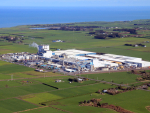
Fonterra's Whareroa site took home the prestigious Directors Award at the co-op's 'Oscars of Manufacturing', while Clandeboye led the way with multiple wins at this year's Best Site Cup.
After 25 years it is the right time to step away, says Colin Glass, the retiring chief executive of New Zealand's largest private corporate dairying company, Dairy Holdings.
Fonterra is strengthening its foodservice presence in China with the launch of a new cream for professional bakeries at Bakery China 2026 in Shanghai.
OPINION: To a chorus of crying greenies, and not a minute too soon, the Government has moved to put the courts back in their place through proposed amendments to the Climate Change Response Act 2002, intending to limit climate litigation claims such as Smith v Fonterra, in the interests of providing greater certainty for vital industry.
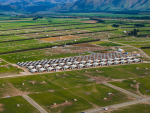

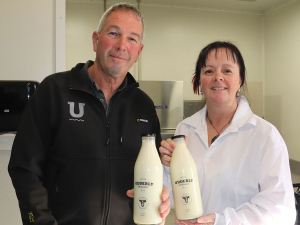
Wayne and Ange Moxham of Horowhenua have just been named as Fonterra's top organic performer for milksolids. As well as providing organic milk to Fonterra, the couple also sell Udderly Organic milk to more than 100 outlets in the region and are embarking on another exciting venture producing organic gelato. Reporter Peter Burke went along to see their farming operation.
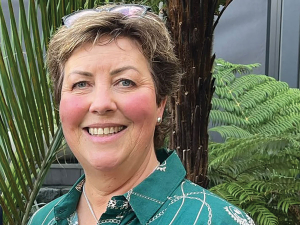
Certainty and a clear understanding of the needs of rural communities is a critical outcome in the series of government reforms that are taking place at present.
Fonterra has reduced its forecast 2026/27 Farmgate Milk Price.
New Zealand dairy farmers are set to be the first in the world to receive access to a new digital physical milk pricing tool that enables them to fix the price for their physical milk.
State farmer Pāmu is opening its farm gates this summer in an effort to give the rural sector the opportunity to see how large-scale, multi-system farming is delivering productivity and profitability across New Zealand.
A five-year study has found that the cost of reducing emissions without technology may be significant and unsustainable for Northland dairy farmers.


OPINION: No one messes around with Winston Peters, more so in a general election year.
OPINION: Staying on Federated Farmers, this week's annual general meeting in Auckland is shaping up to be an interesting one.