BVD Control: Why One Measure Isn't Enough for NZ Herds
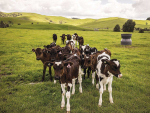
Bovine Viral Diarrhoea (BVD) remains one of the most significant infectious diseases affecting New Zealand dairy herds.




 increase font size
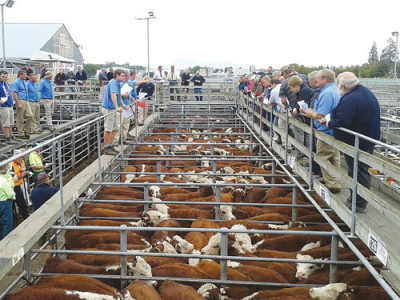 Around 80% of New Zealand’s dairy and beef herds have been exposed to BVD.
Almost $1 million will go to projects aimed at combating animal diseases from the Ministry for Primary Industries’ Sustainable Farming Fund.
“I’m pleased to see investment in these projects to tackle bovine viral diarrhoea virus and facial eczema in dairy and beef cattle,” Primary Industries Minister Nathan Guy says. These serious problems can cause a lot of suffering and cost.”
Guy announced this at the recent Central District Fieldays in Feilding.
The first project will investigate the prevalence of sub-clinical facial eczema and develop guidance on how to best monitor and manage the disease.
“This is a nasty disease. When cattle ingest the fungus that causes it, it damages their liver and causes chronic wasting and death. Badly damaged liver tissue never regenerates. There is no cure so prevention is the only way of protecting animals,” Guy says.
“This project will look at the effects on production and welfare of this disease and encourage farmers to address the problem before it gets to clinical level. The aim is to help farmers to know how and when to treat their cattle.
“This will ultimately lead to improved animal welfare, productivity and sustainability of pastoral farming across the country.”
The project will be led by the Facial Eczema Action Group with representation from vets, farmers, researchers and DairyNZ. The project will receive $395,000 over three years and begin this July.
The second project looks at Bovine viral diarrhoea virus (BVD).
“BVD is a serious and widespread disease with about 80% of New Zealand’s dairy and beef herds having been exposed to it. Infection can cause reproductive losses, an increase in general disease, reduced growth rates and lowered milk production.”
Estimates put the annual losses for dairy farmers at $100m or more.
“This project will include identification of key transmission pathways, development of a business case for coordinated national BVD control and the building of a national model to track BVD status of individual animals and herds over time,” Guy explained.
This is the first time a BVD project has been funded by the Sustainable Farming Fund. $585,000 will be provided over three years and the project will be led by BVD Free NZ beginning this July.
Bovine Viral Diarrhoea (BVD) remains one of the most significant infectious diseases affecting New Zealand dairy herds.

Testing confirms H5 bird flu in a single northern giant petrel, found dead on a remote Cape Palliser beach in the Wairarapa, says Dr Mary van Andel, the Ministry for Primary Industries' (MPI) Chief Veterinary Officer.
Bovine Viral Diarrhoea (BVD) is sometimes viewed as a dairy industry issue, but the reality is that the disease can have serious consequences for beef breeding herds as well.
The apple sector is working with the Government to unlock access to two key markets that could bring millions in revenue for apple growers.
A Palmerston North shearer has been sentenced to six months' community detention and 12 months' supervision after being found to have physically abused three lambs while shearing them.



Kiwifruit growers are watchful but remain optimistic as concerns around the potential effects of the El Niño weather pattern this season.

Almond hulls sourced from Australian orchards may have the potential to help New Zealand cows reduce emissions, boost milk yield and lower input costs.
Striking a balance between meeting the needs of industry to speed up approval time for products but on the other hand ensuring that risks are properly assessed.
Surprised, humbled and quite thrilled. That’s the reaction of James Allen, one of the founding partners and now chief executive of AgFirst, on being made a life member of the Institute of Rural Professionals.
It was billed as a chance for all the political parties to woo the rural vote, but question marks hang over just how effective this was.
Minister of Conservation Hon Tama Potaka has appointed Susan O'Regan as Chair of the Queen Elizabeth II National Trust (QEII) for a three-year term.

OPINION: The same mainstream media muppets that brought you Jacindamania in 2017 have been flat out pimping for the Opportunities…
OPINION: Your old mate reckons the atrocious way farmers in the UK are treated by their lords and masters in…




