Wormwise vet Mary Bowron gives timely advice about worm management prior to mating, particularly being on the look-out for the blood-sucking Barber's Pole worm.
With mating season just around the corner, it’s the perfect time to make sure your ewes and rams are in peak condition.
A good mating means good lambing - and that’s the aim of the game. For many farmers, it’s been a wet summer, and parasites love moisture. Checking worm burdens in your ewe flock prior to putting the rams out helps ensure mating goes without a hitch.
Parasites aren’t usually the main reason ewes drop condition. But light ewes can find it more difficult to deal with a parasite challenge, and the worm burdens that they accumulate may be preventing some of them from re-gaining weight. In another words ‘they are skinny with worms, not skinny because of worms’.
Don’t presume your ewes are in good nick by watching them go through a gateway. Next time they are near some yards, put your hand on the backs of a sample mob. Make sure what your eye is telling you correlates to actual fat and muscle over their short ribs.
If you can feel bones easily, she’s too light.
Doing this quick body condition score exercise now can alert you to the need to re-draft ewes now and prioritise those that need more help; while there’s still time to change the outcome.
If you’re farming in a Barber’s Pole worm hotspot, keeping an eye on ewe worm burdens can prevent nasty surprises from this parasite.
Barber’s Pole can appear out of nowhere and hit hard – just when you’re gearing up for tupping. With no scouring or dags to give it away, this blood-sucking parasite is the silent party crasher that can derail your mating outcomes.
You might only notice some sluggish, listless animals, lagging behind the mob. Both the adult worms and immature larval stages of Barber’s Pole cause damage by sucking blood resulting in anaemia.
If you look inside the lower eyelid of a few animals in your flock, you could see pale mucous membranes. Sometimes ‘bottle’ jaw can be seen, especially in your skinnier ewes. But, more often than not, the first sign is dead sheep in the paddock.
So don’t leave it that late, get in early and collect some poo samples. Use faecal egg counts (FECs) and parasite identification to warn you of an outbreak. This worm lays a lot of eggs, so FECs can change quickly and be several thousand eggs/gram in bad cases. Your two-tooths and lighter ewes are most at risk, so start by running FEC tests on these groups in the lead up to tupping.
Other worm species, like Trichostrongylus can also push egg counts up, so how can we be sure Barber’s Pole is part of the problem?
There is a new tool in the Wormwise kit – the GIN PCR test. Not to be mixed with tonic, this GIN stands for ‘gastrointestinal polymerase chain reaction’. This lab test uses DNA from worm eggs to identify which worm species are in the poo.
 |
|---|
|
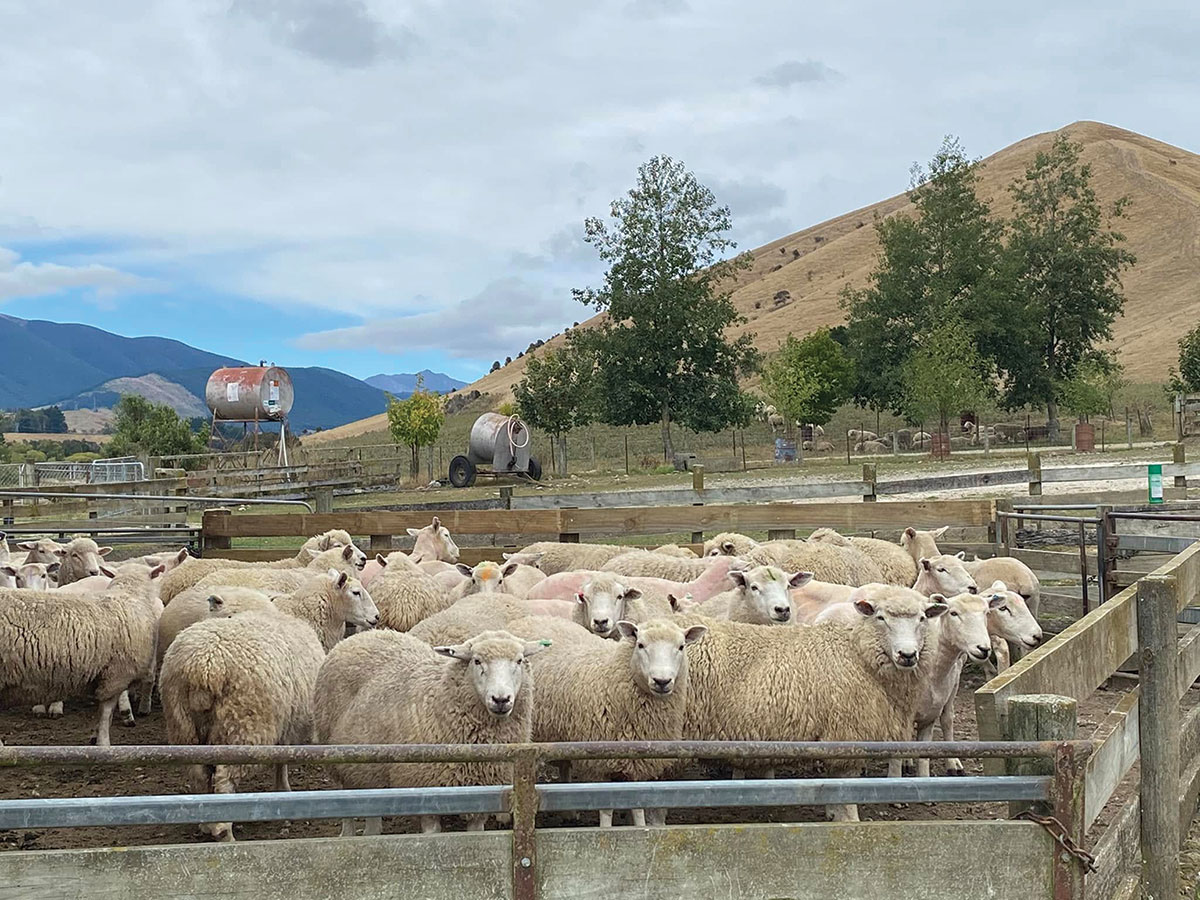
Light ewes can find it more difficult to deal with a parasite challenge.
|
This test, currently provided by Awanui Veterinary Laboratories, is available through your veterinarian, and provides a worm species breakdown within a few days, enabling quick decisions to be made around the need for drenching.
What happens if the FECs and parasite identification show that Barber’s Pole is affecting your flock?
Panic slowly, there are options available. Make treatment decisions based on FECs and parasite speciation and avoid blanket drenching all ewes. Target your lighter and younger ewes.
In the long-term, consider worm-resistant genetics; WormFEC breeders from Barber’s Pole regions have selected for sheep that can handle the worm pressure.
Don’t wait, ring your vet about this threat now.