Smarter Drenching Key to Cattle Parasite Control NZ
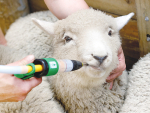
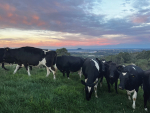
Feeding stock well and drenching only those animals facing a parasite challenge are key tactics in managing parasites in cattle, especially in autumn and early winter.




 increase font size
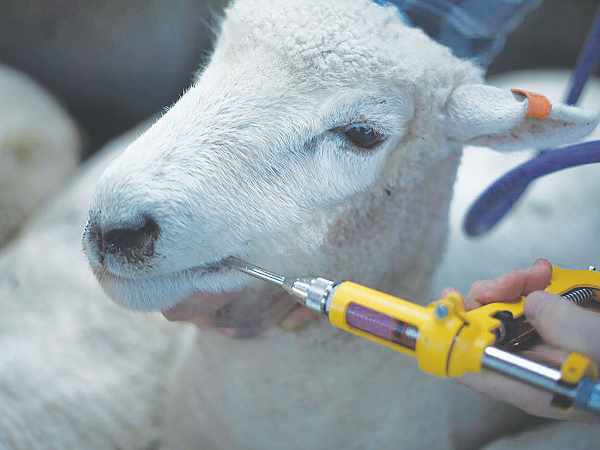 B+LNZ’s Dan Brier says drench resistance is now widespread, appears to be getting worse and a new approach is necessary.
A new concept designed to help manage parasite resistance to drenches in New Zealand has been launched.
The new Wormwise Action Plan encourages responsible marketing and sales of drench, more accurate and easier parasite testing, research to demonstrate the costs and benefits of various parasite management approaches and better training and development are among its priorities.
Wormwise is a partnership between Beef + Lamb New Zealand (B+LNZ), the Ministry for Primary Industries (MPI), Agcarm, the New Zealand Veterinary Association (NZVA) and other stakeholders.
The development of the Action Plan follows an independent review of the Wormwise strategy carried out with industry input including farmers, veterinarians, drench sellers, MPI, B+LNZ, DairyNZ and Fonterra.
"Sheep and beef farmers rank resistance of parasites to drench as their single biggest animal production challenge," says Dan Brier, general manager farming excellence at B+LNZ.
"Parasite resistance to drenches is now widespread, appears to be getting worse and a new approach is necessary. We simply can't drench our way out of drench resistance."
He adds that New Zealand also faces new challenges - including potential increased risk from new or more widespread parasites arising from climate change, the low likelihood of new drench products becoming available, as well as greater transparenyc demanded by consumers on animal welfare and the use of chemicals in farm production systems.
Chief veterinary officer at the New Zealand Veterinary Association Helen Beattie says vets are an important part of the solution by working with farmers, developing parasite management plans and providing veterinary advice.
"Through the review, we found the efforts of Wormwise and the strategic direction were largely in the right direction, but concluded there is scope to do much more," Beattie explains.
"Ultimately, additional resourcing and a different approach is required if we are to genuinely influence parasite drench resistance in time."
As part of the new Action Plan, the industry will identify best practice for working with farmers on parasite management and drench resistance in order to help other farmers. It will also work with drench manufacturers to ensure products are marketed responsibly and that robust education and training is available for those selling drenches.
The new Action Plan can be assessed on the Wormwise website: http://wormwise.co.nz/resources/
Feeding stock well and drenching only those animals facing a parasite challenge are key tactics in managing parasites in cattle, especially in autumn and early winter.
Sheep farmers who would normally treat ewes with drench capsules before lambing are being urged to reconsider before reaching for the next long-acting alternative.
Drench resistance is common.
Over the next several weeks, farmers will be weaning their lambs and probably drenching.


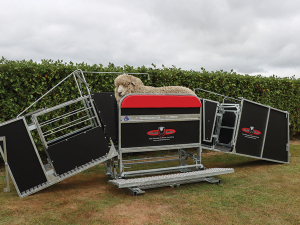
Oamaru-based livestock handling specialist Te Pari has bought Combi Clamp, the New Zealand manufacturer of Combi Clamp manual sheep handlers.

Agriculture Minister Todd McClay has admitted that a scheme bringing workers from Pacific nations to work on orchards has become too hard to navigate but says changes are coming.
A new app designed in New Zealand aims to help sheep, beef and deer farmers capture, analyse and use body condition score data more effectively.
Canterbury farmer Andy Macfarlane has been appointed to the board of AgriZeroNZ, the public-private partnership designed to accelerate the development and deployment of emissions reduction tools for New Zealand farmers.
For over 50 years Mel Ewers has been supporting the apple sector navigate through compliance and quality assurance issues.
The apple sector is enjoying a bumper harvest season.



A fair question has been raised about how member-funded organisations should conduct themselves when taking a public position on any…
OPINION: It really is getting harder to lampoon government bureaucrats when they do such a good job of it themselves.…