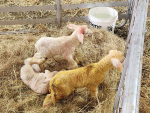
Beef + Lamb NZ's Lambing Kit Checklist for a Tough Season
With lambing underway in many regions, Beef + Lamb New Zealand is encouraging farmers to put together a wellequipped lambing kit to help minimise lamb losses, particularly in bad weather.




 increase font size
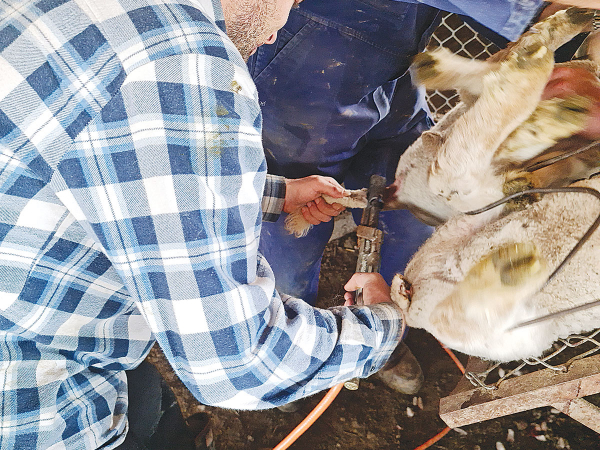 The docked tail must be no shorter than the distal end of the caudal fold - that's the end of the flaps of skin that attach the underside of the tail to the lamb's body.
With docking - or tailing - underway in many areas, Beef+Lamb New Zealand is reminding farmers about the new tail length requirements.
Will Halliday, B+LNZ's senior advisor, animal welfare and biosecurity, says the length of the docked tail must be no shorter than the distal end of the caudal fold. That is the end of the flaps of skin that attach the underside of the tail to the lamb's body.
"This is the absolut minimum length under the new animal welfare regulations, which came into effect in May of this year."
Docking tails shorter than this can lead to an infringement fee of $500.
Halliday says a hot iron or rubber ring are the only methods that can be used to remove tails. He adds that using any other method can lead to a fine of $500.
"It is important farmers ensure their docking or tailing gangs are aware of what is required under the new regulations and the people removing the tails are adhering to that minimum length."
Only lambs under six months can be docked by a farmer or staff - any lambs older than six months must be done by a vet.
Docking a lamb over six months old is an offence with a fine on conviction of up to $3,000.
With lambing underway in many regions, Beef + Lamb New Zealand is encouraging farmers to put together a wellequipped lambing kit to help minimise lamb losses, particularly in bad weather.

Although preventable, lamb loss from clostridial diseases during the first year of life on New Zealand hill country farms continues to be an issue. A field trial, where lambs were vaccinated at docking and weaning, demonstrated that vaccination was highly effective, lowering clostridial deaths by 23%. Zoetis veterinarian Dr Victoria Chapman unpacks the importance of robust animal health programmes, vaccination timing and the potential harmful consequences for stock when vaccination isn't given.
OPINION: The good times felt across the dairy sector weren't lost at last week's Beef + Lamb NZ annual meeting.
Beef + Lamb New Zealand (B+LNZ) is calling on livestock farmers to take part in a survey measuring the financial impact of facial eczema (FE).
Beef + Lamb New Zealand (B+LNZ) chair Kate Acland says there are clear governance processes in place to ensure fairness and transparency.


When Northland leather worker Vernon Suckling started making horse saddles 50 years ago, quad bikes and side-by-side vehicles were unheard of.
Alliance Group has confirmed that eligible farmer-shareholders who supply and continue to back the business will receive up to $20 million later this year, following the strategic investment partnership with Dawn Meats.
With a general election under five weeks away, Rural News is asking major political parties about their policies and positions on key issues facing the primary sector. We will run their responses to each question over the next four weeks. The ACT Party and the Greens didn't respond in time.
The red meat sector is in great heart.
Dr Scott Champion, Foundation for Arable Research chief executive, says that everyone in the supply chain had a role to play in driving the sector's long-term success.
Entries opened on Monday, 5 October 2026 for the 2027 New Zealand Dairy Industry Awards (NZDIA), which organisers describe as the nation's biggest celebration of excellence in the dairy sector.




OPINION: The same mainstream media muppets that brought you Jacindamania in 2017 have been flat out pimping for the Opportunities…
OPINION: Your old mate reckons the atrocious way farmers in the UK are treated by their lords and masters in…




