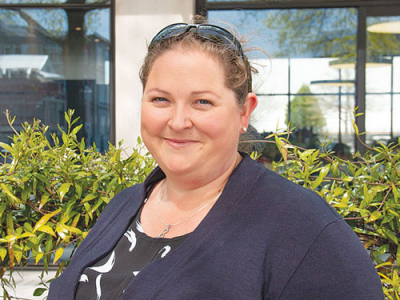
An Environment Canterbury advisor who trained to be a Good Yarn facilitator is now better able to help a farmer who is stressed or mentally ill.
She did the training in June in Wellington.
Sarah Heddell, an ECan land management and biodiversity advisor — and a sheep and beef farmer — says the Good Yarn farmer wellness workshops are aimed chiefly at the rural community and those who interact with them.
They help trainees recognise and respond correctly to friends, farmers or customers suffering from stress or mental illness.
“There’s been a lot of conversations about it,” Heddell says. “We were at a farm discussing farm environment plans and the farmer spoke about mental health and said Good Yarns training would be good for us to do -- to be aware of farmers’ mental health and to recognise stress in farmers and communities.
“We’d already been talking about how to better equip staff in their interactions with farmers and how in certain circumstances a different approach could make all the difference.
“Then when someone external also encouraged us, I thought we needed to get on board and do something.”
A few months later she was invited to attend the Good Yarn training in Wellington.
Heddell knows how pressured the farming life can be and understands the extreme stress the Mycoplasma bovis (M. bovis) disease has put on farmers who risk losing their stock.
“Mental health is something I feel passionate about. It’s a huge issue and M.bovis has been a catalyst and a reminder for everyone to think carefully on how they interact with people.”
Working in farming and through her networks she has become aware of many people affected by stress and depression, which has helped motivate her to better understand how to support people in this situation.
“It worries me when I have calls from consultants who are getting calls from stressed farmers. That tells me things could escalate into a situation where someone was struggling to cope,” Heddell says.
“Whether that’s us or a farmer, it’s like a bowstring that’s already stretched very tight and all it needs is one twang and it’ll snap.”
A fluctuating market and the risk of cows contracting M.bovis has added a massive stress to farmers. This affects a much wider group of the agricultural sector than just beef or dairy farmers; it also rolls into the wider supporting community.
“A lot of people are on edge; they’re not going to just come out and say it, but on their minds all the time is the thought ‘if this happens, I could lose all of that’. We need to be aware of this and the potential impact of what we say and do when talking to our communities.”
The Good Yarn training helped her to understand the need to help a farmer by, say, having a chat, calling in professional help or choosing another organisation that could help.
She and three others will now run the programme for other ECan staff, teaching them to recognise signs of stress and how to respond.
“I don’t want to see any of our colleagues get into a situation where they don’t know how to respond,” she says. “You don’t have to understand what’s happening, but be aware that other pressures may be impacting someone.”
For help see www.rural-support.org.nz or call 0800 787 254