Funding from the Ministry for Primary Industries (MPI) will enable Plunket to extend its volunteer-driven community services to additional rural communities throughout the South Island.
The $100,000 grant will be used on a range of initiatives over the next year, including playgroups, coffee mornings, injury prevention training and Plunket’s Give People Support Service, which matches families with newborn babies to volunteers who provide extra support.
The latest grant brings total MPI funding to $207,000.
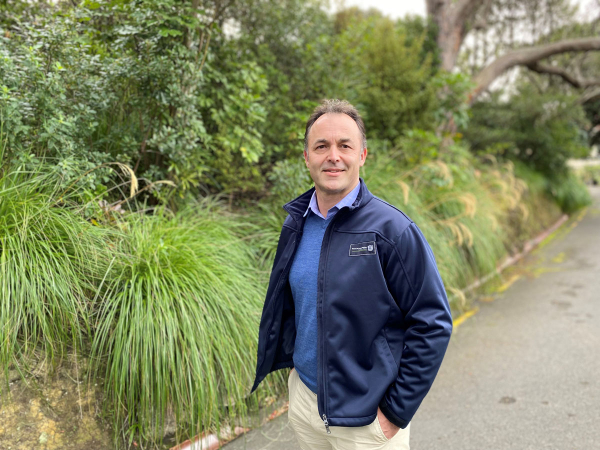
Nick Story, MPI’s director for rural communities and farming support, says Plunket is going the extra mile to ensure people living in remote rural areas are able to access their family support services.
“The regular opportunities for face-to-face contact make a big difference to the health and wellbeing of both parents and their children, and a mix of activities and support is available tailored for each region.”
Story says MPI is helping to extend the reach of Plunket’s services to improve the mental wellbeing of rural people.
“A pillar of the Government and sector’s Fit for a Better World roadmap is ensuring we have strong, thriving and sustainable rural communities, something this… initiative contributes to.”
Support from MPI and other funders will ensure a variety of sessions are hosted across the South Island every week, along with delivery of training workshops and an injury prevention programme.
Plunket community service manager Jane Denley says the regular meetups include playgroups, parent support groups, coffee connection groups, a swim programme for young children, music and movement groups, a baby massage group and a mums’ exercise group. In addition to face-to-face groups, people living rurally are able to access virtual educational sessions called Parenting Bites.
“These virtual sessions grew out of COVID-19 when whānau and communities were unable to meet face-to face,” says Denley.
She says Plunket aims to continue hosting the Parenting Bites sessions going forward because they’ve been particularly popular with people in rural communities who would otherwise have had to travel for sessions.
More than 10,000 parents, babies, and children participate in Plunket’s Southern Rural Family Support Services each year.
"The uniqueness is that we bring the services to people - removing the barrier of access," says Denley.
“The groups are important because they offer parents the chance to meet others with similar circumstances, and to have honest discussions about what they are experiencing in a supportive and non-judgmental environment."
The community services are open to anyone, not just those who have previously used Plunket services.