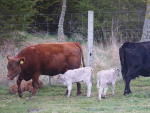
Pāmu Silver Stabilizer Dairy Beef Genetics Open to Farmers
A major move is about to get underway to improve the quality and viability of dairy beef and cattle in NZ.




 increase font size
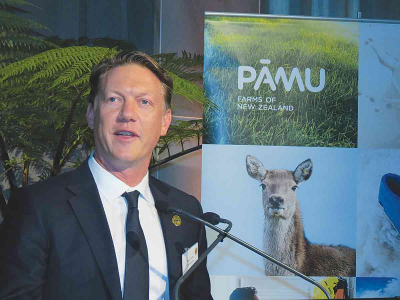 Pāmu chief executive Steve Carden.
State farmer Landcorp (Pāmu) returned a net loss of $11 million in the year to June 30, 2019.
Earnings before tax were $34m versus $48m in the previous year.
The company has declared a special dividend of $5m, based on the one-off gain made on the sale of its shares in Westland Milk Cooperative.
Pāmu chief executive Steve Carden attributes the poor result to write-downs and drought affecting milk production and some costs of changing farm systems and diversification.
“The write-downs were quite considerable,” Carden told Rural News.
The land write-down is related to a Landcorp review across the country. On the North Island East Coast land prices are up and in the South Island dairy land prices are down.
“That has led to a $47m decrease in the overall value of our land portfolioacross the country. The land valuation is a bit inconsistent with what we have seen in the past. Obviously land values fluctuate, but they do tend in farming to continue to trend upward.
“We are seeing more of the pressure come on now with a lack of potential buyers in the market and some challenges in environmental policies tightening up. They are starting to have a bit of an impact on land prices in some parts of the country.”
He claims the livestock write-down was not overly significant because it was to do with timing at the beginning of the year compared to the end of the year plus how many livestock are sold or retained.
Carden says about 45% of Pāmu milk comes out of the central North Island.
“We have that big development in the Wairakei area, near Lake Taupo, and they ended up having a really dry summer and early autumn.
“They had the lowest rainfall in more than 10 years and that had an impact on production in the dairy portfolio with the concentration in that area. We had to introduce more supplementary feed than we had hoped, to offset the lack of pasture growth, so that resulted in a milk slowdown.”
Pāmu is changing its systems across the board: looking at more organic milk, A2, increasing the forestry portfolio, more intensive high tech beef systems and some non animal uses of land such as avocados in Northland.
Carden admits some of the changes in systems and investments hit the bottom line this year.
It takes a while to make those changes and it costs a fair bit, he says.
A major move is about to get underway to improve the quality and viability of dairy beef and cattle in NZ.
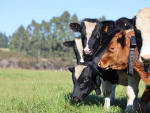
High country stations, mixed sheep and beef farms, Māori-owned farms, corporates and family operations are among the nine commercial farms taking part in the Livestock Innovation Farming Transformation programme, known as LIFT.
Pāmu has welcomed Taranaki student Paige Burston as its newest First Foundation Scholar, supporting her journey towards a career in agriculture and animal science.
State farmer Pāmu is bracing for a $30 million hit from soaring farm input costs this financial year.
Pāmu has released its FY26 Integrated Annual Report, reporting a Net Operating Profit of $113 million, more than double the $49 million recorded in FY25.


Federated Farmers has welcomed new rural policies released by ACT, saying they align closely with its own election priorities.

Rural Contractors NZ says proposed changes to land transport rules for agricultural vehicles are a welcome response by the Government to out of date regulations which have seen members hit with huge fines.
Alliance is calling for final applications for its 2027 Graduate Programme, with applications closing on Sunday 25 October.
Decades piloting planes has ensured vet and farmer David Hayes is focused on safety. So, after a serious accident while welding on farm, he is sharing his experience so others can learn from it.
Canterbury milk processor, Synlait Milk has confirmed Leon Fung as its chief executive officer.
OPINION: Making it easier to collect rainwater and use it to grow crops and livestock is a no brainer.

OPINION: The same mainstream media muppets that brought you Jacindamania in 2017 have been flat out pimping for the Opportunities…
OPINION: Your old mate reckons the atrocious way farmers in the UK are treated by their lords and masters in…




