McRae Wins Southern South Island B+LNZ Director Vote
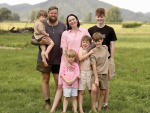
Matt McRae, a farmer from Mokoreta in Southland who runs a sheep, beef and dairy support business alongside a sheep stud, has been elected to the Beef +Lamb NZ Board as a farmer director.




 increase font size
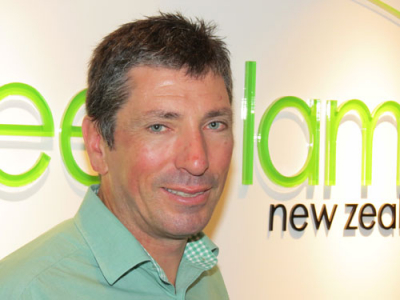 Sam McIvor.
Mandatory country of origin labelling (MCoOL) can often be used as a measure that raises doubts about imports, says Beef+Lamb NZ chief executive Sam McIvor.
That can make exporting more costly; about 90% of NZ sheep and beef products are exported.
The industry, opposed to MCoOL for many years, has made a joint submission with the Meat Industry Association to the primary industries parliamentary select committee.
“The proponents of MCoOL often argue it is necessary to ensure consumers can avoid imports from countries with lower food safety or other quality standards,” McIvor says.
“When the US introduced an MCoOL system for beef several years ago, we experienced a fall in demand for beef because it was more costly for our customers to blend NZ beef with their beef to make hamburgers.
“The US reversed its rules on beef in 2015 following a WTO case against it. Introducing a mandatory labelling system in NZ will make it more difficult for us to oppose the kind of legislation globally.”
McIvor says BLNZ understands that consumers want to know where their food comes from.
“The sector has responded to this demand in the last few years through a voluntary system called the New Zealand Beef and Lamb Quality Mark.
“We are very proud of NZ sheep and beef and there is widespread use of this label in our supermarkets. While we recognise and respect that consumers want to know origins, in our view the voluntary systems are working well in our sector.
“From purely a beef and lamb perspective, less than 10% of sheepmeat and beef consumed in NZ is imported. Also, of all the sheep and beef consumed in NZ about 40% is consumed in restaurants and our understanding is this would not be covered by the proposed bill because this meat would have been combined with other ingredients.
“We believe the government’s primary, and very important, role is in ensuring the safety of our food and that there is truth in labelling and we have good rules in these areas to ensure that all the products our consumers are eating are safe and produced to good standards.
“In our view, knowing the country of origin is a consumer preference that can be, and is, met commercially where that preference becomes part of consumer purchasing decisions.”
Matt McRae, a farmer from Mokoreta in Southland who runs a sheep, beef and dairy support business alongside a sheep stud, has been elected to the Beef +Lamb NZ Board as a farmer director.

Ospri is reducing TB testing frequencies and movement control measures as the disease risk subsidies in parts of the country.
Recent widespread autumn rain will have triggered the germination of subterranean clover seeds, and the resulting seedlings should be allowed to reach the 3–4 trifoliate leaf stage before grazing, says Beef+Lamb NZ.
Southland farmer and director Tony Cleland has been named OSPRI New Zealand’s new chair.
A hub farm in each of Beef + Lamb NZ’s seven regions and more focus groups are being rolled out for the red meat sector this year.
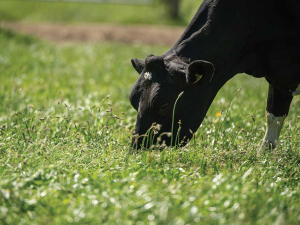
Farms across the upper North Island are trialling different pasture mixes as part of a research programme that aims to build greater resilience into farming systems.
Election years are always a concerning time for farmers, according to DairyNZ chair Tracy Brown.
The Ballance Farm Environment Awards are coming to the West Coast of the South Island.
Most dairy regions around the country have had a pretty good season so far says Tracy Brown.
Rural leader Mark Hooper has been appointed as an independent director to the NZPork board, bringing extensive farming, governance and advocacy experience to the role.


OPINION: The same mainstream media muppets that brought you Jacindamania in 2017 have been flat out pimping for the Opportunities…
OPINION: Your old mate reckons the atrocious way farmers in the UK are treated by their lords and masters in…