
NZ Must Prioritise Food Security, Says HortNZ's Malley
New Zealand needs to make sure that it continues to focus on its own food security, according to HortNZ board member and blueberry grower Dermott Malley.




 increase font size
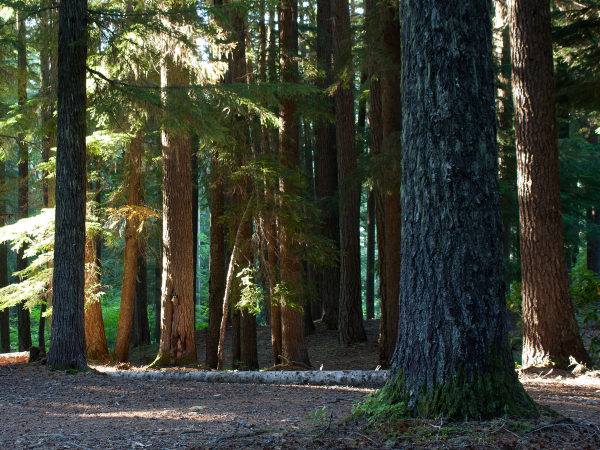 Forestry accounts for 6.7% of regional GDP in the Tairāwhiti economy.
The Government is spending $28 million to redeploy almost 300 forestry workers.
The scheme is part of a $100 million package to redeploy workers affected by the economic impact of COVID-19.
Economic Development Minister Phil Twyford says COVID-19 is having a significant impact on workers throughout New Zealand, especially forestry workers in Tairāwhiti.
“Forestry was one of the first industries to be seriously impacted by COVID-19 but by keeping the infrastructure and workforce of the sector intact, we hope it will be one of the first to recover,” says Twyford.
The announcement comes on the same day as Regional Economic Development Minister Shane Jones announcing that Tairāwhiti’s wood processing sector will receive funding through the Provincial Growth Fund of $12.1 million.
Alternative work identified for Tairāwhiti forestry workers includes:
• local roading work, including road maintenance
• hazardous tree removal
• fast-tracked One Billion Trees projects
• conservation activities
• retraining and educational opportunities.
The Tairāwhiti package will be administered through the Provincial Development Unit in partnership with the Mayors’ Forum and Gisborne District Council. Affected workers will be referred via the Ministry of Social Development’s Rapid Response Team and affected businesses.
Jones says forestry accounts for 6.7% of regional GDP in the Tairāwhiti economy, however a recent slow-down has meant that the sector is low on cash reserves.
“The sector was just recovering from a slow-down over last winter. Many small firms used their cash reserves to get them through that and some companies are now struggling to survive.
“However, the future for the forestry sector is extremely bright and we want to ensure it is in a position to recover from the economic impacts of COVID-19 as quickly as possible. By redeploying workers to short-term projects, we can help ensure they are available to go back to the forestry sector once it returns to normal,” says Jones.
New Zealand needs to make sure that it continues to focus on its own food security, according to HortNZ board member and blueberry grower Dermott Malley.
Bank of New Zealand (BNZ) and Pāmu (Landcorp Farming Limited) have developed a new way for landowners to earn revenue from existing native forests.
Forestry Minister Todd McClay has today congratulated the winners of the 2026 Growing Native Forests Champions Awards at Fieldays.
With ethical employment practices a "hot topic" in key markets, Sustainable Winegrowing New Zealand (SWNZ) is strengthening its People Pillar.
The Fieldays Forestry Hub returns to Fieldays in 2026 for the fifth consecutive year, highlighting the important role forestry and wood processing play in supporting New Zealand's economy, environment, and regional communities.



Testing confirms H5 bird flu in a single northern giant petrel, found dead on a remote Cape Palliser beach in the Wairarapa, says Dr Mary van Andel, the Ministry for Primary Industries' (MPI) Chief Veterinary Officer.

"What's for dinner?" may sound like a simple question, but for many Kiwi parents, answering it has become a job in itself.
Fifty Eight years ago, on the 16th of August 1968, August Claas, the founder of the harvesting company and father of Helmut Claas, personally presented a Claas Senator combine harvester to Scottish farmer John Steven.
New Zealand consumers are paying more for beef mince than ever before, with the average retail price now sitting above $24 per kilogram, according to Rabobank.
State farmer Pamu has delivered its strongest operating result on record.
Four years since it was first detected in New Zealand, researchers and growers now know much more about management of maize pest fall armyworm (FAW).



OPINION: The same mainstream media muppets that brought you Jacindamania in 2017 have been flat out pimping for the Opportunities…
OPINION: Your old mate reckons the atrocious way farmers in the UK are treated by their lords and masters in…