Milk Powder Prices Prop Up Farmgate Milk Price
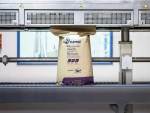
Milk powder prices are keeping farmgate prices up, helping processors offset the dip in milk fat prices.




 increase font size
 Chinese demand for New Zealand dairy products remains strong.
China's growing appetite for New Zealand dairy products is showing no signs of abating.
Global dairy prices rose for the seventh consecutive Global Dairy Trade (GDT) auction last week and it’s all being put down to Chinese demand.
ASB economist Nat Keall says strong demand from China has fuelled gains at GDT auctions over the past three months.
“Domestic consumption has risen steadily over the course of 2020 as the Chinese economy has picked up, but domestic stockpiles haven’t managed to keep up, despite aggressive purchases through most auctions,” says Keall.
He points out that analysis by dairy advisory services company, HighGround notes that while consumption in China is up 16% year-on-year, inventories for whole milk powder (WMP) have started to drift down toward year-ago levels.
WMP prices rose 4% last week to US$3,615/metric tonne, the highest levels in nearly five years.
Westpac senior agri economist Nathan Penny says underlying the strength in export prices is the surging Chinese economy.
With Covid-19 under control, China was the only major global economy to grow over 2020.
Importantly, as the economic momentum has continued into 2021 household spending has gathered steam.
But there are fears that should Chinese demand for NZ dairy wane, prices could drop.
Open Country Dairy chief executive Steve Koekemoer told suppliers that some concern has been raised due to demand predominantly coming from Chinese buyers. But he added that domestic milk production and processing in China are still a lot higher than purchasing from overseas, which has underpinned the demand.
“Our expectation is that prices will level out and that we might see a little softening moving forward, as we have reached a critical benchmark,” says Koekemoer.
“Regions outside of North Asia are more hesitant to buy at the current elevated levels and should Chinese demand start to wane, the market would need them to start buying, which they would likely only do after a downward price correction.
“Nonetheless, the future looks bright, even if prices had to retreat slightly. We should see other regions come to the table preventing any serious decline.”
Penny notes that growth in South-East Asian economies is not far behind, further underpinning demand for New Zealand products.
“The global rollout of Covid vaccines will give global food demand a second ‘shot in the arm’, particularly from other secondary dairy markets,” he says.
“Currently, global food supply is struggling to keep up with surging demand, causing high grain (feed) prices.”
Milk powder prices are keeping farmgate prices up, helping processors offset the dip in milk fat prices.

OPINION: With 10,500 dairy farms, New Zealand continues to punch above its weight around the world.
A milk glut around the world shows no sign of easing, putting downward pressure on farmgate milk prices for the next few months.
Fonterra has reduced its forecast 2026/27 Farmgate Milk Price.
New Zealand dairy farmers are set to be the first in the world to receive access to a new digital physical milk pricing tool that enables them to fix the price for their physical milk.


Federated Farmers has welcomed new rural policies released by ACT, saying they align closely with its own election priorities.

Rural Contractors NZ says proposed changes to land transport rules for agricultural vehicles are a welcome response by the Government to out of date regulations which have seen members hit with huge fines.
Alliance is calling for final applications for its 2027 Graduate Programme, with applications closing on Sunday 25 October.
Decades piloting planes has ensured vet and farmer David Hayes is focused on safety. So, after a serious accident while welding on farm, he is sharing his experience so others can learn from it.
Canterbury milk processor, Synlait Milk has confirmed Leon Fung as its chief executive officer.
OPINION: Making it easier to collect rainwater and use it to grow crops and livestock is a no brainer.





OPINION: The same mainstream media muppets that brought you Jacindamania in 2017 have been flat out pimping for the Opportunities…
OPINION: Your old mate reckons the atrocious way farmers in the UK are treated by their lords and masters in…




