
It's The Margins That Matter
OPINION: It appears to be difficult for people who haven’t tried to run a business to understand the difference between assets and cash.




 increase font size
 Fertiliser spreading
Plummeting oil prices haven’t translated into much cheaper fertiliser yet and it’s unlikely they will any time soon, says Ravensdown.
“What we’ve seen from a fertiliser price point of view is that nothing has gone down,” says the cooperative’s supply chain general manager, Mike Witty. “It all comes down to supply and demand.”
Prices of ammonia, a key ingredient, actually rose 40% to peak at the end of last year and while they have started to ease, Witty predicts it will only be to where values were a year ago.
The reason is gas supply is “decoupled” from oil and the Middle East, where much of the world’s fertiliser is made, “always has cheap gas” so the low oil price makes little difference, Witty explains.
Other factors are the unrest in Ukraine which has limited its urea output, and continued high demand from India where nitrogen fertiliser is subsidised to encourage food production.
Urea prices have eased from a peak of over US$400/t FOB China to US$320-340/t but the NZ dollar’s 15% drop against the greenback has more or less wiped that out so with shipping, distribution, rebates and overhead costs there’s no room to cut Ravensdown’s current ex-store list price of NZ$580/t, says Witty.
However, Ravensdown’s policy is always to be competitive so if rival Ballance Agri-Nutrtients cut its prices, so would Ravensdown, he adds.
Sulphur supplies, another key component of products such as DAP, ammonium sulphate and superphosphate, are also tight, so Witty says he doesn’t see any likelihood of the price of super dropping.
Demand in New Zealand has been “pretty steady” despite the South Island dry, he says, but the lower dairy payout forecast means he expects “a bit of a pull back” on autumn capital fertiliser applications from that sector.
“They tend to reduce potash and phosphate inputs but nitrogen’s seen as the most economic way to produce extra feed if required.”
Consequently, he says he doesn’t expect demand for urea to drop much, unless the dry reaches the point where farms have to destock.
Potash prices have come off their peak and are now at their lowest levels since before 2008 but with some production issues emerging – a flooded mine in Russia and extreme cold in Canada causing logistical difficulties – Witty says he doesn’t expect them to ease further.
“The supply of granular potash has been very tight. Prices will probably flat line.”
OPINION: It appears to be difficult for people who haven’t tried to run a business to understand the difference between assets and cash.
OPINION: In the 1980s, concern was expressed in West Germany about the falling birth rate. Some simple analysis was performed by Professor Helmut Sies, physician and biochemist at Dusseldorf University. His letter ‘A new parameter for sex education’ was published in Nature in 1988:
Plan ahead and be patient. That’s the message to farmers and horticulturalists from the chairman of the NZ Agricultural Aviation Association, Kent Weir.
Amazone's ZG-TX combi spreader has been updated with several new features, centred around improved accuracy and easier operation.
When it comes to annual rebates, it's been a long time between drinks for Ravensdown shareholders.


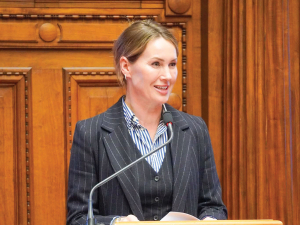
The Government is introducing a new nationwide rural recycling scheme that will significantly increase the recovery of farm plastics from March next year, Minister for the Environment Nicola Grigg announced today.
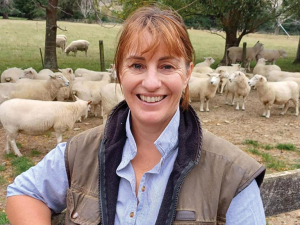
B+LNZ's Wormwise veterinarian Mary Bowron has won the Best Sheep and Beef Vet of the Year Award in recognition of her outstanding contribution to New Zealand’s sheep and beef sector.
Researchers at Massey University are using a special piece of scientific equipment to improve the measurement of greenhouse gas emissions from pasture soils.
More signs of a booming kiwifruit sector.
OPINION: David Seymour and James Meager's plan to make it easier for farmers and orchardists to operate drones can best be described a 'courageous' move.
New Zealand wool is reaching new heights as air filtration companies move away from synthetic products to biodegradable alternatives.




OPINION: The same mainstream media muppets that brought you Jacindamania in 2017 have been flat out pimping for the Opportunities…
OPINION: Your old mate reckons the atrocious way farmers in the UK are treated by their lords and masters in…