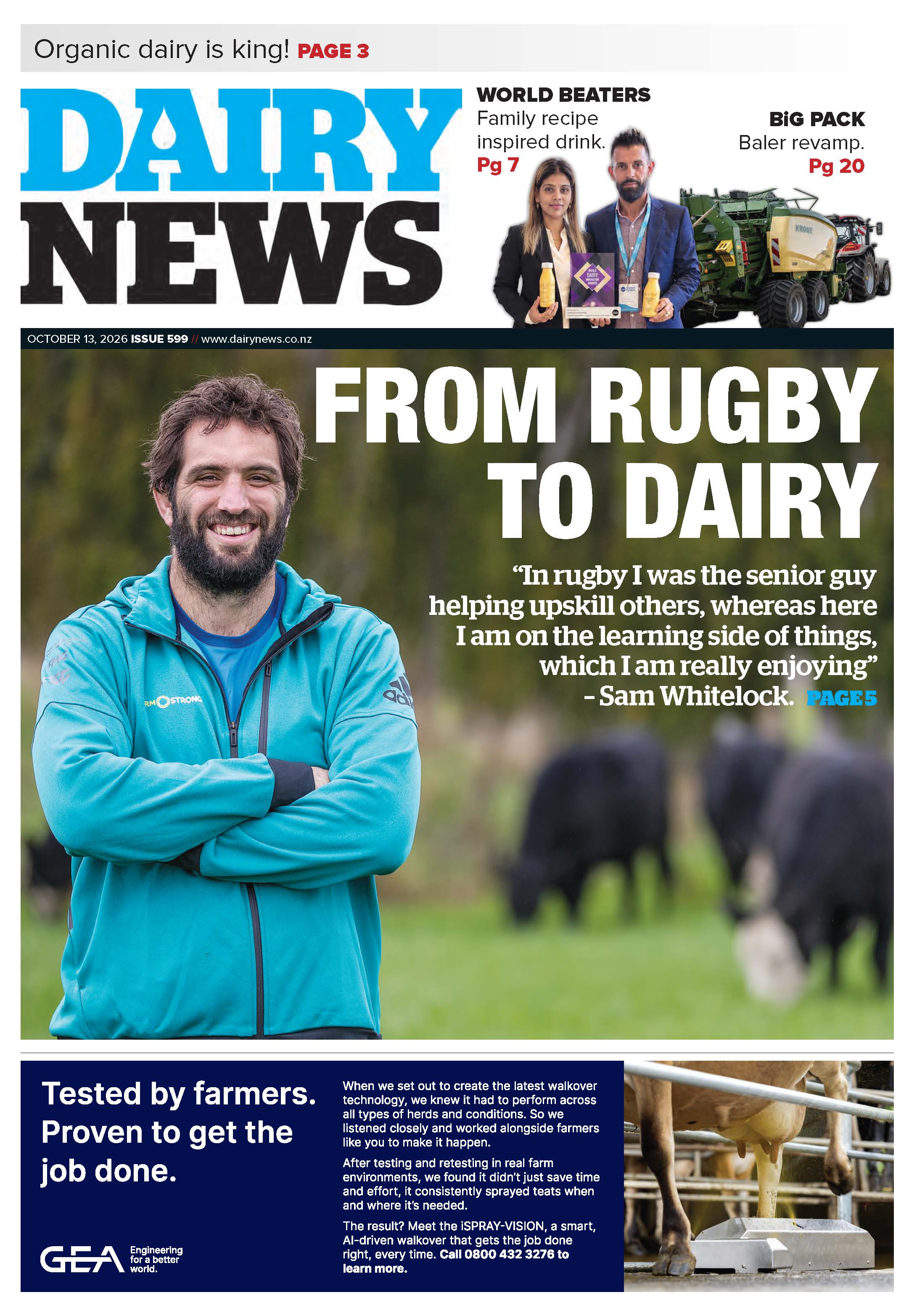
Fonterra CFO Andrew Murray Resigns
Fonterra Co-operative Group chief financial officer Andrew Murray has resigned to take up a role outside the dairy giant.




 increase font size
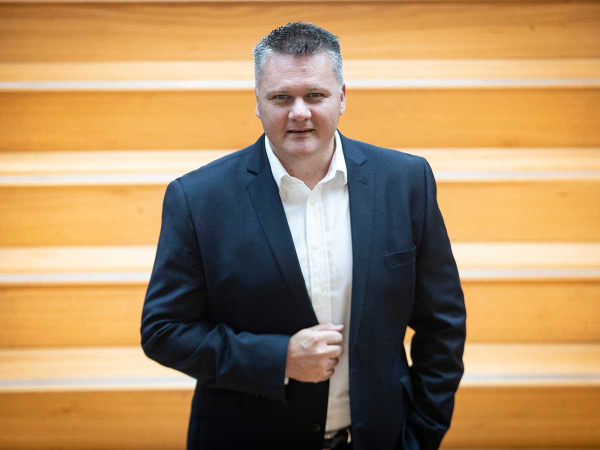 Chief executive Miles Hurrell warns that Fonterra’s failure to join the decarbonisation bandwagon could result in customers looking elsewhere for dairy ingredients.
Fonterra says a new government won’t impact plans to reduce emissions – both within its operations and on shareholders’ farms.
Chair Peter McBride says Fonterra must continue working towards its decarbonisation ambition, including meeting scope 1 and 2 targets.
“It’s important for our farmers and our customers,” he told Rural News.
Fonterra also plans to release its scope 3 target – for emissions generated beyond the farm gate – by the end of this year.
McBride says during the recent farmer shareholders meeting, there were “varying degrees of interest” in scope 3 target.
“Farmers realise the need to have scope three target; it will be a cooperative- wide target, not an individual target,” he claims.
“We are working to announce it by the end of the year and we need to get it right.”
McBride says the cooperative will work with whoever forms the next government.
Farmers have had a testy relationship with the Labour Government. Differences include the deadline for meeting greenhouse gas emissions and pricing under the Zero Carbon Act.
National and ACT have both promised a better deal for farmers in their respective agricultural policies. National has vowed to keep agriculture out of the Emissions Trading Scheme (ETS) but implement a “fair and sustainable” pricing system for onfarm agricultural emissions by 2030 at the latest – five years later than the current ETS.
ACT says industryled initiative He Waka Eke Noa will be gone by the end of this year. The party opposes the Zero Carbon Act and says farmers shouldn’t pay for emissions.
Fonterra shareholder Craig Hickman says at Fonterra’s Ashburton farmer meeting, emissions came up during a Q&A session, with some farmers implying that a change in government would put emissions on the backburner.
Hickman told Rural News that he was impressed with the reply from chief executive Miles Hurrell and directors at the meeting.
“The CEO and directors were very emphatic that reducing emissions are a priority, even if they weren’t for a government,” he says.
“I agree with them. Miles carries a lot of mana and has the ability to tell people things they might not like hearing, and they accept it.”
Fonterra recently announced a lift in its decarbonisation ambition with a new scope 1&2 emissions reduction target, which will be achieved by bringing forward some of its work to get out of coal.
Hurrell says the co-op is targeting a 50% absolute reduction in scope 1&2 emissions by 2030, an increase on its previous target of a 30% reduction by 2030.
“Fonterra’s scope 1&2 emissions largely come from our manufacturing operations and supply chain. Strengthening our emissions reduction target supports our ambition to be net zero by 2050,” Hurrell says.
Achieving the new target will require Fonterra to continue to undertake energy efficiency improvements and fuel switching to renewable energy source activities across its milk collection fleet and manufacturing sites, with a focus on the six where it uses coal.
To do this, Fonterra is forecasting an investment of $790 million, including a government contribution of up to $90 million through the Government Investment in Decarbonising Industry (GIDI) fund.
The co-op says its major global customers – the likes of Nestlé – are reducing carbon output by focusing on its own emissions and that of its supply chain. A big part of the supply chain is ingredients: one of Nestlé’s biggest ingredients is milk.
Hurrell warns that Fonterra’s failure to join the decarbonisation bandwagon could result in customers like Nestlé looking elsewhere for dairy ingredients.
Fonterra Co-operative Group chief financial officer Andrew Murray has resigned to take up a role outside the dairy giant.

Four candidates have been confirmed for two director positions on Fonterra’s board.
A record farmgate milk price and strong global demand is laying the foundation for continued growth of organic dairy farming in New Zealand.
Waikato milk processor Tatua has again declared a record milk payout to farmer shareholders, leaving other processors in the dust.
Fonterra has unveiled its annual results for the 2026 financial year, posting $27 billion in revenue and close to $20 billion returned to New Zealand farmer owners and unit holders.


National’s pledge to introduce 19 new national standards shows the party is serious about getting Wellington out of farming, Federated Farmers says.
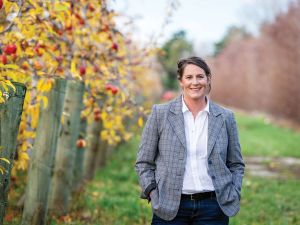
The National Party’s policies to make it easier to grow fresh vegetables, secure reliable water and energy and simplify farm planning are practical changes that will give growers the confidence to invest, according to Horticulture New Zealand (HortNZ).
Fonterra Co-operative Group chief financial officer Andrew Murray has resigned to take up a role outside the dairy giant.
A major move is about to get underway to improve the quality and viability of dairy beef and cattle in NZ.
Veterinarians say changes to the code of welfare for dairy cattle provides a positive foundation for improved cattle welfare across the country.
Today, 15 October, is the International Day of Rural Women, which recognises rural women’s contribution to farming, communities and the environment.


OPINION: The same mainstream media muppets that brought you Jacindamania in 2017 have been flat out pimping for the Opportunities…
OPINION: Your old mate reckons the atrocious way farmers in the UK are treated by their lords and masters in…