Fonterra FY26 Results: $9.69 Milk Price, $3.4bn Profit
Fonterra has unveiled its annual results for the 2026 financial year, posting $27 billion in revenue and close to $20 billion returned to New Zealand farmer owners and unit holders.




 increase font size

Fonterra will this morning release more details of a food scare involving three batches of whey protein concentrate manufactured in New Zealand last year.
The particular whey protein concentrate concerned (WPC80) is used by Fonterra's customers in a range of products including infant formula, growing up milk powder and sports drinks. Eight Fonterra customers are believed to be affected.
Fonterra initially identified a potential quality issue in March this year, when a product tested positive for Clostridium. There are hundreds of different strains of Clostridium, the majority of which are harmless.
Product samples were put through intensive testing over the following months. On July 31, tests indicated the potential presence of a strain of Clostridium (Clostridium Botulinum) in a sample, which can cause botulism.
Managing director NZ Milk Products, Gary Romano says the co-op immediately contacted its customers and the appropriate authorities, so that any potentially affected product could be removed from the marketplace.
"We are working with our customers and will provide more information and updates as they become available," Romano said in a media release issued at 1am today. A media briefing will be held later this morning.
Fonterra says any consumer product recalls that may need to take place will be initiated by the respective food companies.
There have been no reports of any illness linked to consumption of the affected whey protein. Dairy products such as fresh milk, yoghurt, cheese, spreads and UHT milk products are not affected.
Fonterra chief executive Theo Spierings says food safety is Fonterra's number one priority.
"We take matters of public health extremely seriously and we are doing everything we can to assist our customers in ensuring any product containing this ingredient is removed from the marketplace and that the public is made aware
.
"We are acting quickly. Our focus is to get information out about potentially affected product as fast as possible so that it can be taken off supermarket shelves and, where it has already been purchased, can be returned," Spierings says.
What is botulism?
Botulism, also known as botulinus intoxication is a serious illness that causes paralysis, caused by the botulinum toxin. The toxin is caused by Clostridium botulinum, a type of bacterium.
There are four ways in which the toxin can enter the human body:
• Infant botulism - by colonisation of the digestive tract by Clostridium botulinumin babies.
• Adult botulism - by colonisation of the digestive tract by Clostridium botulinumin adults.
• Foodborne botulism - as a result of eating foodstuffs with the toxin.
• Wound botulism - when botulinum toxincontaminates a wound.
All types of botulism eventually lead to paralysis, which generally starts with the face muscles and then spreads to the limbs. In severe cases there is respiratory failure when the breathing muscles become paralysed. Because of this, all botulism cases are treated as medical emergencies
Fonterra has unveiled its annual results for the 2026 financial year, posting $27 billion in revenue and close to $20 billion returned to New Zealand farmer owners and unit holders.
Fonterra Co-operative Group has confirmed the independently assessed candidates standing for election to its board in 2026.
Fonterra has revised its Farmgate Milk Price forecast for the 2026/27 season, lifting the midpoint and narrowing the range on the back of improving global dairy commodity prices.
Outgoing Fonterra Co-operative Council chair John Stevenson says that it has been a privilege to represent the co-op's farmer shareholders.
OPINION: It seems Canterbury processor Synlait is still in the doldrums.


Federated Farmers says it welcomes Labour's commitment to reviewing the Sharemilking Agreements Act, calling on other major parties to do the same.
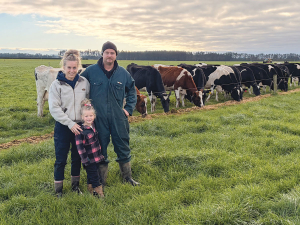
For Canterbury dairy farmers Sian Meijer and Rick Wobben, wearable technology has become one of their most valuable on-farm tools - helping manage 1850 cows across an expansive, high-performing dairy operation while improving efficiency, mating outcomes and day-to-day decision making.
Fonterra has unveiled its annual results for the 2026 financial year, posting $27 billion in revenue and close to $20 billion returned to New Zealand farmer owners and unit holders.
The first major update to the Dairy Cattle Code of Welfare in more than a decade has been released, marking what DairyNZ describes as an important step in ensuring animal welfare standards continue to evolve alongside scientific evidence and on-farm realities.
Ravensdown shareholders have elected Jane Montgomery and Kate Acland to the Ravensdown Board for three-year terms, following a closely contested director election.
Federated Farmers says new legislation replacing the Resource Management Act will cut red tape, unlock investment and help grow New Zealand's export-led economy, after the Planning Bill and Natural Environment Bill passed their third reading in Parliament yesterday.





OPINION: The same mainstream media muppets that brought you Jacindamania in 2017 have been flat out pimping for the Opportunities…
OPINION: Your old mate reckons the atrocious way farmers in the UK are treated by their lords and masters in…




