
Canterbury Boosts Wallaby Control With $2M Funding Push
Wallaby control efforts in Canterbury have received a major boost, with Canterbury Regional Council releasing $2 million from its Pest Management Reserve.




 increase font size
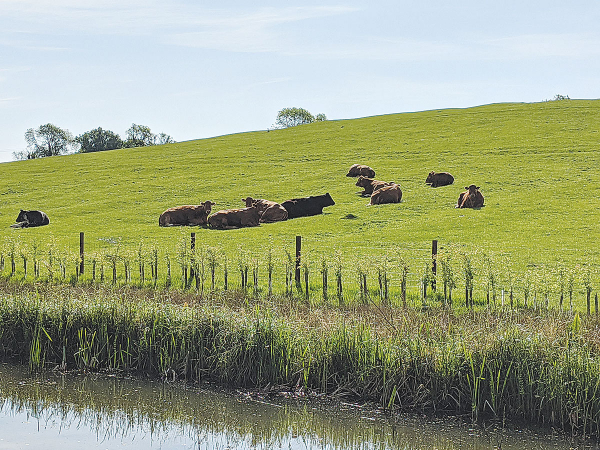 Critics describe Greenpeace's claims linking cancer to nitrates in water as 'misleading'.
Critics say claims from environmental activist organisation Greenpeace around nitrates in South Island waterways are ‘misleading’ and ‘misinformation’.
Earlier this month, Greenpeace conducted voluntary water testing in the Ashburton and Gore regions.
Christine Rose, Greenpeace’s lead climate and agriculture campaigner, says there can be severe impacts from ingesting drinking water containing nitrates.
“Nitrate contamination is endangering rural communities’ drinking water, and can lead to increased risk of bowel cancer and preterm births,” Rose says.
However, Environment Canterbury’s director of science Dr Tim Davie states in a response to Greenpeace’s claims that the activists are misleading people in the way it presents the results.
The issue, he says, is that Greenpeace is presenting its results based off one single Danish study.
The study, performed in 2018, found there was a correlation between exposure to nitrates in drinking water and the occurrence of colorectal cancer.
However, this was a correlational study, meaning that the study was designed to see if there was a link between the two as opposed to nitrate exposure being a cause for colorectal cancer.
Davie says that using the statistics from this study, instead of New Zealand’s Drinking Water Standards, set by the Ministry of Health and Taumata Arowai, is misleading.
“For drinking water, the New Zealand Drinking Water Standards set a Maximum Acceptable Value (MAV) of 50 milligrams per litre (mg/l) for nitrate, which is equivalent to 11.3mg/l nitrate-nitrogen.”
He says this standard is based on the World Health Organisation (WHO) standard.
“A 2018 review of the science behind the WHO standard, which included the Danish study, concluded there was not enough evidence to change those limits.”
Meanwhile, Gore District Three Waters Asset Manager Matt Bayliss says nitrate levels in the region are consistent with the New Zealand Drinking Water Standards’ MAV.
“So, our testing and Greenpeace’s have returned levels well below national and international standards,” Bayliss says.
Federated Farmers vice president Wayne Langford says Greenpeace is spreading harmful misinformation with its rhetoric around nitrates in water.
“This is a new low for Greenpeace, who are using misinformation about a human health issue to prey on people’s fear of cancer and to push an anti-farming agenda,” Langford says.
“Farmers and other rural communities are drinking this water, so if there is a link we want to know about it. But we will be taking our advice from health professionals, not environmental activists.”
"Greenpeace need to be held accountable for the accuracy of the claims they are making and the information they share with the public. It’s just causing needless stress, anxiety, and division," Langford says.
Wallaby control efforts in Canterbury have received a major boost, with Canterbury Regional Council releasing $2 million from its Pest Management Reserve.

OPINION: Reckless action by Greenpeace in 2024 forced Fonterra to shut down a drying plant for four hours, costing the co-op about $300,000.
A day after selling its consumer businesses, Fonterra has settled a civil claim, filed by Greenpeace, out of court.
OPINION: Governments all over the world are dealing with the fuel crisis.
OPINION: Dark suited spin doctors exist to, well, spin, and the nice cuddly progressive types at Greenpeace Aotearoa practice this dark art with the same cynicism as your average corporate giant.


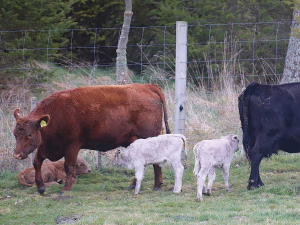
A major move is about to get underway to improve the quality and viability of dairy beef and cattle in NZ.
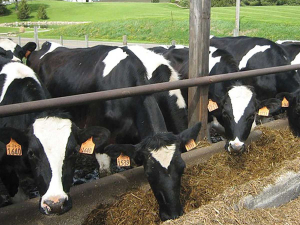
Veterinarians say changes to the code of welfare for dairy cattle provides a positive foundation for improved cattle welfare across the country.
Today, 15 October, is the International Day of Rural Women, which recognises rural women’s contribution to farming, communities and the environment.
Global dairy giant Lactalis has integrated its Australian operations with the Mainland Dairy consumer business it acquired from Fonterra earlier this year.
After almost two decades of sharemilking, saving and building equity, Aaron and Marcia Flay this year realised their long-held dream of settling on their first dairy farm.
Good medium to long term prospects for NZ beef, especially in the US, has heighted the focus on various initiatives to capitalise on this situation.



OPINION: The same mainstream media muppets that brought you Jacindamania in 2017 have been flat out pimping for the Opportunities…
OPINION: Your old mate reckons the atrocious way farmers in the UK are treated by their lords and masters in…




