Waikato dairy effluent breaches lead to $108,000 in fines
Two farmers and two farming companies were recently convicted and fined a total of $108,000 for environmental offending.
The Waikato Regional Council is urging farmers help stop the spread of dangerous weeds in the Waikato region.
At this time of year stock feed is harvested and sold for use during winter. However, such feed can contain weeds that can be spread along with the feed.
Waikato Regional Council’s pest plants team leader Wendy Mead says farmers can do their bit to help prevent weed spread by asking local feed sellers to guarantee feed such as hay and silage are weed free.
Farmers should also be alert to the risk of weed spread when buying feed from neighbouring regions.
“Some serious crop weeds of very limited distribution in the Waikato, such as Noogoora bur, are known to be more common in some neighbouring regions,” says Mead.
“Don’t be shy asking suppliers about any past weed problems with their feed and if feed can be inspected prior to purchase.
“If feed comes from overseas, only buy from reputable dealers and again ask for a guarantee that it is weed free.
“Keep records of where feed comes from and where it is fed out in case any weeds develop later.”
Mead says the council is happy to provide advice on what to look for during feed inspections and how to deal with any issues or problems that arose.
Farmers can call 0800 BIOSEC (246732) to contact the pest plants team.
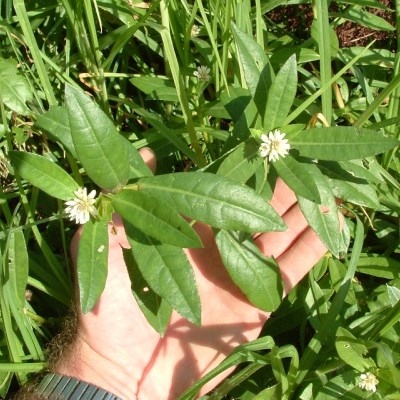
Key pest plants that are at risk of spreading through stock feed are Noorgoora Burr, alligator weed, and velvetleaf.
New Zealand's diverse cheesemaking talent shone brightly last night as the New Zealand Specialist Cheesemakers Association (NZSCA) crowned the champions of the 2026 New Zealand Cheese Awards.
Tracing has indicated that the source of the first velvetleaf find of the 2025-26 crop season, in Auckland, was likely maize purchased in the Waikato region.
Fish & Game New Zealand has announced its election priorities in its Manifesto 2026.
With the forage maize harvest started in Northland and the Waikato, the Foundation for Arable Research (FAR) is telling growers of later crops, or those further south, to start checking their maize crop maturity about three weeks prior to when they think they will start silage harvesting.
Irrigation NZ is warning that the government's Resource Management Act (RMA) reform risks falling short of its objectives unless water use for food production and water storage infrastructure are clearly recognised in the goals at the top of the new system.
More than five million trays, or 18,000 tonnes, of Zespri’s RubyRed Kiwifruit will soon be available for consumers across 16 markets this season.

OPINION: Election years are usually regarded as the silly season, but a mate of the Hound reckons 2026 is shaping…
OPINION: If farmers poured just a few litres of some pollutant into a stream, the Green Party and the wider…