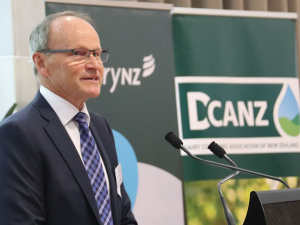

New Zealand Horticulture Export Authority chief executive Simon Hegarty says Japan’s inclusion in the CPTPP provides for elimination of an estimated $48m in annual tariffs.
While the refined CPTPP now involves 11 countries resolving a range of trade issues, tariffs are a prominent trade barrier component for some key markets.
“Japan is our 2nd largest market so its inclusion is significant for the future growth of the New Zealand horticulture export sector,” says Hegarty.
“Tariffs paid by the NZ horticulture export sector across the remaining CPTPP markets are comparatively low (or already at zero) based on existing trade agreements (e.g. CER with Australia, the AANZFTA with ASEAN members). We are very confident that our full product range is included in this CPTPP deal which will ultimately see all tariffs to zero.”
New Zealand exports approximately 60% of its annual horticulture production, at a value of $3.5 billion and the CPTPP countries are the destination for $1.22 billion (35%) of that total. Within the CPTPP group, Japan is the destination for $5731m (or just under 50% of our CPTPP trade value) however, it accounts for 99% of the estimated $48.5m in tariffs NZ exporters paid in all CPTPP markets in 2017.
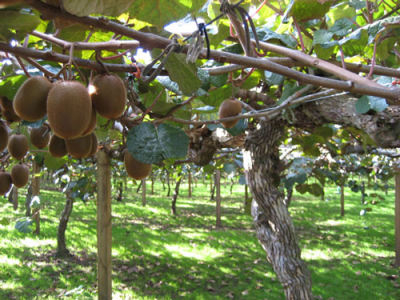
Japan’s 6.4% tariff on kiwifruit alone amounted to an estimated cost of $26m - $30m or an average $10,300/grower, the cost to the 30 buttercup squash export growers from the 3% tariff in that market was $1.53m or an average of $50,600 per grower, and the 8.5% tariff on onion exports to Japan cost an average $19,500 to each of the 90 commercial onion growers.
“Acknowledging and recognising the work of many over the years, securing this agreement is a major and welcome achievement. Eliminating trade distorting tariffs in our key export markets and maintaining our international competitiveness is an ongoing challenge, yet fundamental for the future - we can’t flourish without access to markets and this agreement enhances that access,” Hegarty says.