
Mark Hooper Joins NZPork Board as Independent Director
Rural leader Mark Hooper has been appointed as an independent director to the NZPork board, bringing extensive farming, governance and advocacy experience to the role.




 increase font size

THE NEW ZEALAND pork industry congratulates the Ministry for Primary Industries on successfully shutting down an alleged illegal meat trading operation in South Auckland.
"The New Zealand pork industry operates to some of the highest animal welfare and food safety standards in the world and we do not want to see this compromised in any way," says NZPork chairman, Ian Carter.
"These standards are in place to ensure that appropriately farmed and processed 100% New Zealand pork is high quality, safe for consumption and supports good animal welfare. A regulated legal process for providing meat to the public is a critical factor in maintaining these standards."
Biosecurity is of paramount importance to the New Zealand pork industry. Illegal operations can greatly increase biosecurity risks. The proper regulation of meat processing helps to prevent diseases such as PRRS (Porcine Respiratory and Reproductive Syndrome) from entering and becoming established in New Zealand.
"Our industry has always acknowledged the relatively high level of unregulated meat trade within New Zealand. We always encourage consumers to be aware of where their meat is coming from. Look for the PigCare Accredited 100% New Zealand pork logo for a product whose origin and quality you can trust," Carter says.
Ministry for Primary Industries (MPI) compliance officers have carried out the significant operation in South Auckland for offences against the Animal Product Act and the Fisheries Act.
MPI has grounds to believe a business and an individual have been involved in the illegal slaughter, processing and sale of animals, and the purchase and sale of black market fish, says MPI northern investigations manager David Blake.
After receiving information from the public and after months of enquires, MPI compliance officers, assisted by the New Zealand Police, last week executed search warrants at a number of residential properties and searched commercial premises.
“We have evidence of live pigs being offered for sale and then killed on the premises,” says Blake.
“The sale of animal products for human or animal consumption is subject to strict rules to ensure the resulting meat product is fit for purpose and safe for consumption,” he says.
MPI investigators also established there was reasonable grounds to believe the suspects had committed offences under the Fisheries Act relating to the illegal purchase and sale of fish outside of New Zealand’s quota management system.
“If guilty, these individuals are not only risking the sustainability of our valuable fish stocks but they are stealing from their communities and future generations,” says Blake.
“We greatly appreciate the support of the community in reporting those who break the rules. Public information is of critical importance. If you see people acting suspiciously, whether it’s on the water, on the farm, at the pub or social media – we want to know about it."
MPI asks the public to report any suspicious activity by phoning 0800 4 POACHER (0800 476 224). All calls are kept strictly confidential.
Rural leader Mark Hooper has been appointed as an independent director to the NZPork board, bringing extensive farming, governance and advocacy experience to the role.

As the cost-of-living crisis continues to put pressure on household grocery budgets, new figures show pork remains one of the most affordable fresh meat options for New Zealand families.
Testing confirms H5 bird flu in a single northern giant petrel, found dead on a remote Cape Palliser beach in the Wairarapa, says Dr Mary van Andel, the Ministry for Primary Industries' (MPI) Chief Veterinary Officer.
The apple sector is working with the Government to unlock access to two key markets that could bring millions in revenue for apple growers.
OPINION: A simpler, clearer, more effective Recognised Seasonal Employer (RSE) scheme.


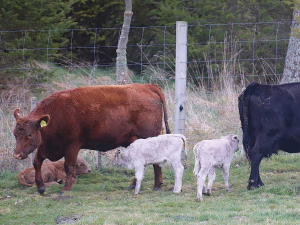
A major move is about to get underway to improve the quality and viability of dairy beef and cattle in NZ.
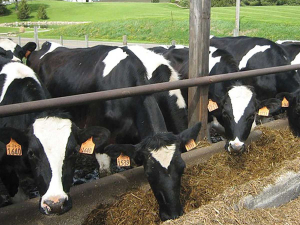
Veterinarians say changes to the code of welfare for dairy cattle provides a positive foundation for improved cattle welfare across the country.
Today, 15 October, is the International Day of Rural Women, which recognises rural women’s contribution to farming, communities and the environment.
Global dairy giant Lactalis has integrated its Australian operations with the Mainland Dairy consumer business it acquired from Fonterra earlier this year.
After almost two decades of sharemilking, saving and building equity, Aaron and Marcia Flay this year realised their long-held dream of settling on their first dairy farm.
Good medium to long term prospects for NZ beef, especially in the US, has heighted the focus on various initiatives to capitalise on this situation.



OPINION: The same mainstream media muppets that brought you Jacindamania in 2017 have been flat out pimping for the Opportunities…
OPINION: Your old mate reckons the atrocious way farmers in the UK are treated by their lords and masters in…




