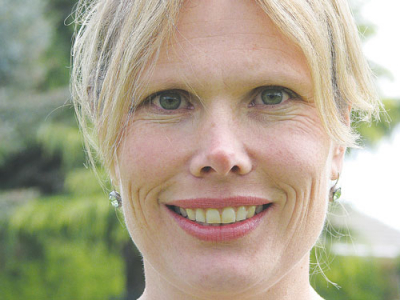
The good work farmers are already doing to minimise the environmental impact of irrigation could stop if they had to pay water royalties, says Irrigation New Zealand chair Nicky Hyslop.
INZ says it had good discussions with the Labour Party in the past, making sure they had good information, said Hyslop, but is now “very concerned” about their recently announced water royalty policy.
Labour has referred to collecting funds to address water quality issues in the regions, but the most impact to be made in water quality improvement is onfarm, Hyslop claims.
“Making changes on farm – potentially changing management in farming systems – [would] ensure we are farming well within nutrient limits, investing in new technology on farm, upgrading irrigation systems and have better decision support systems in place.”
Hyslop says with Labour’s water tax in place farmers would not be able to keep doing that; they’ve spent about $600 million on this since 2011. “We need to be able to continue to do so, but we will not be able to if we have a water royalty.”
Hylsop says it will be farmers rather than regional councils who make the difference in cleaning up water.
She adds there are also questions about what councils are doing in cities and towns.
“We’re all in this together, but a water tax in my mind is not an effective or efficient way of achieving the overall objective.”
Hyslop and her husband farm a 200ha mixed sheep, beef and cropping property at Levels, near Timaru, irrigated through the Opuha scheme.
Labour originally gave no figures, but later suggested a royalty of 2 cents per 1000 litres of irrigation water used.
“For a farm like ours, a 200ha property, that would mean a $20,000 bill. That’s $20,000 a year that we will not be able to invest back in our property to make the changes to ensure we are sustainable and that’s a really a big concern for me.”
The royalty scheme would mean money going into central government, a bureaucratic system which would cost an arm and a leg to run, with a small portion then going back to the regional councils, said Hyslop.
“I understand from the public point of view, the interest, engagement and the emotional attachment or response that people may have in regard to water quality concerns in our regions,” she adds.
“What I can say to the public is ‘look, there is so much work already done by regional councils, collaborating with their communities, to ensure there are regulatory limits in place on farms, so that they must operate within those limits’.”
She concedes that farms will have to continuously meet tougher and tougher limits.
Hyslop believes ongoing education will help ensure farmers are armed with the best tools to achieve “what we all want – which is thriving regions and water quality we can be proud of and that our kids can be swimming in our rivers and lakes”.