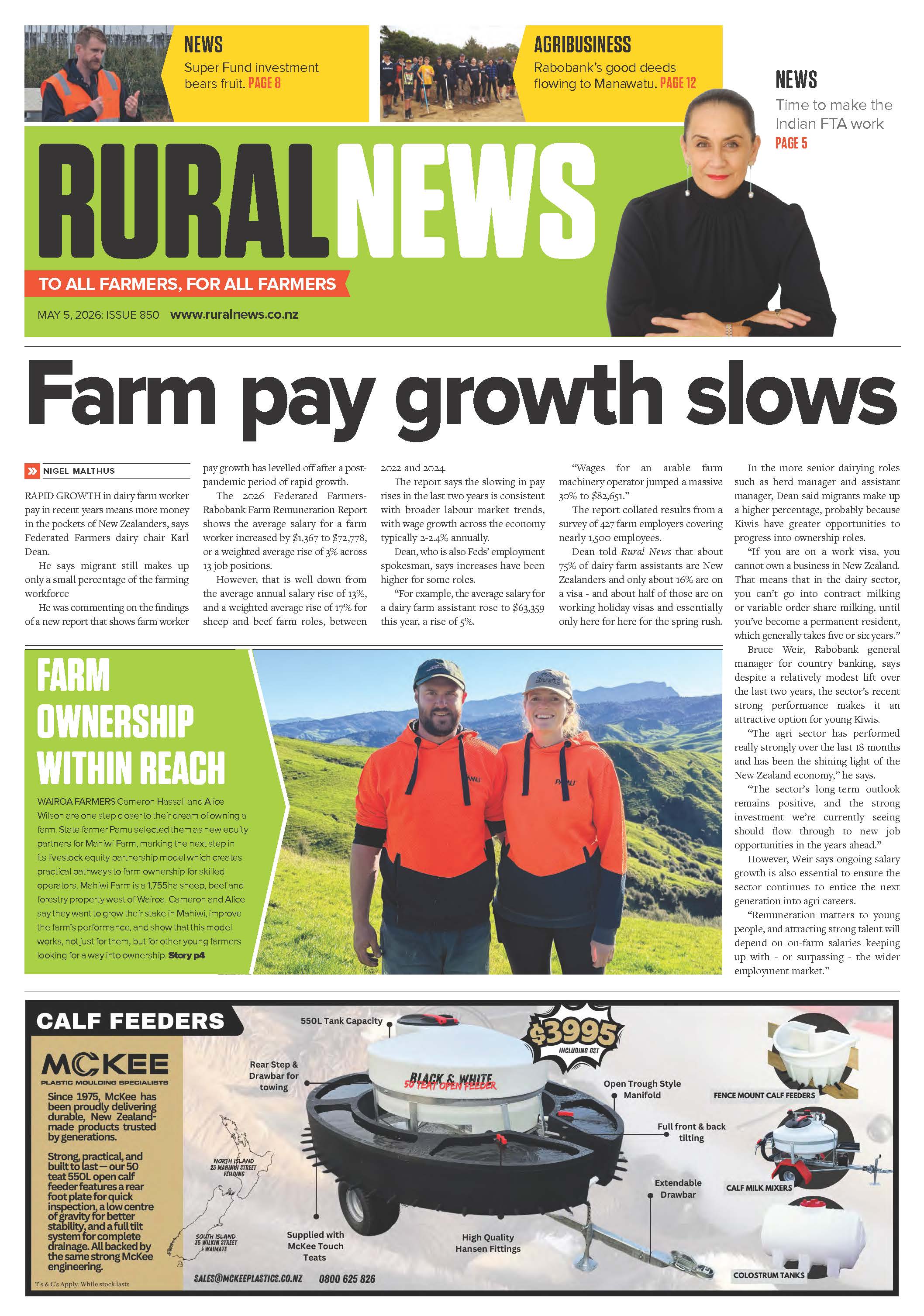
The calvary arrives — finally!
The first batch of overseas drivers for local agricultural contracting work is expected in the country next week, says Rural Contractors New Zealand (RCNZ) chief executive Roger Parton.




 increase font size

RURAL CONTRACTORS are being reminded to make sure their machinery is cleaned between jobs to ensure that plant pests and weeds are not spread around on dirty gear.
Rural Contractors New Zealand (RCNZ) president Steve Levet says dirty machines carry soil, seeds, and organic matter, which could dislodge when it's next used and spread contamination to new sites.
"Soil-borne pests and diseases can be transferred in wet soil attached to wheels, tracks or parts of the machine that work in the ground. While some pests and disease can also be transferred in dust that can accumulate on many parts of the machine – engine bay, cabins and air intakes," Levet explains.
"Regular cleaning of machinery helps create a major protective barrier to the spread of soil-borne pests and diseases. For example, at the completion of cultivation, any lumps of soil and debris attached to the machine should be physically dislodged before wash down."
Levet adds that, ideally, machinery should be washed with a high-pressure hose before leaving a property and ensuring nothing harmful is unintentionally carried onto the next farm.
He also recommends that contractors develop checklists for each piece of machinery to use as a reminder to staff.
"Checklists make the inspection and cleaning process faster and easier and form a record of proof that the machine has been cleaned."
Levet says contractors must also carefully select the cleaning site to further reduce the risk of contaminating adjacent machinery or land.
"Make sure the cleaning site is close to the worked paddock to minimise spread of soil during transit; agreed with land owner and away from water courses or public drains."
He also urges that the safety of operators is ensured before inspecting or cleaning any machine.
"And don't forget to check under the bonnet and around the engine for any birds' nests which can be a fire hazard."
The first batch of overseas drivers for local agricultural contracting work is expected in the country next week, says Rural Contractors New Zealand (RCNZ) chief executive Roger Parton.
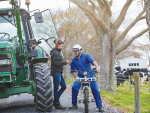
An ‘11th-hour’ relaxation of border restrictions by the Government has been welcomed by the agri sector, but the wider industry is calling for more exemptions.
The first batch of overseas agricultural machinery operators could be in the country by mid-October, says Rural Contractors NZ (RCNZ) chief executive Roger Parton.
Agricultural contractor Grant Kinsman sticks with what he knows and likes.
An airline pilot may soon be landing in a paddock near you, driving a harvester.


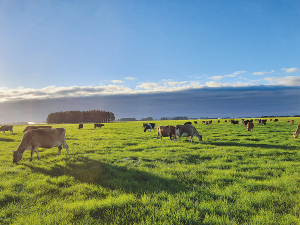
OPINION: Farmers around the country are welcoming the proposed reform of local government.
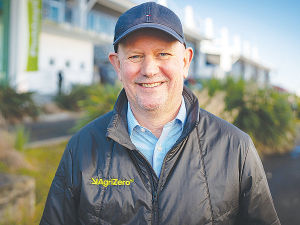
A move to boost farmer uptake of low methane emitting sheep is underway.
Silver Fern Farms has tackled the ongoing war-induced shipping challenges to mideast markets by airlifting 90 tonnes of chilled New Zealand lamb and beef to the United Arab Emirates.
The primary sector is leading New Zealand's economic recovery, according to economist and researcher Cameron Bagrie.
Dairy industry leader Jim van der Poel didn't make much of the invitation he received to the recent New Zealand Dairy Industry Awards in Rotorua.
Farmers around the country are going public big time, demanding their local district, city and regional councils come up with amalgamation plans that meet the needs of rural communities and don't allow urban councils to dominate.





OPINION: The old saying 'a new broom sweeps clean' doesn't always hold up, if you ask the Hound.
OPINION: This old mutt went to school to eat his lunch, but still knows the future of the country, and…