McRae Wins Southern South Island B+LNZ Director Vote
Matt McRae, a farmer from Mokoreta in Southland who runs a sheep, beef and dairy support business alongside a sheep stud, has been elected to the Beef +Lamb NZ Board as a farmer director.




 increase font size
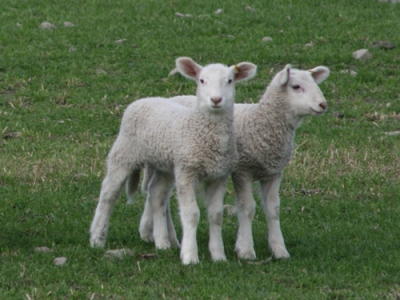 Beef + Lamb NZ estimates 23.9 million lambs were tailed this spring – the smallest lamb crop since 1953.
Beef + Lamb NZ estimates 23.9 million lambs were tailed this spring – the smallest lamb crop since 1953.
Lamb export receipts for 2015-16 are estimated at $2.8 billion, down 4.2% on 2014-15.
B+LNZ Economic Service chief economist Andrew Burtt says the tally reflects three key influences.
"Breeding ewe numbers were down 4.5% on last year, due to carry over effects of dry conditions in past seasons," he says. "Lambing percentages across most of the country were down, as a result of tight feed supplies leading into winter. And fewer hoggets were mated."
In some regions, there was also a slight swing towards increasing beef cattle, at the expense of sheep.
"On the positive side of the ledger, better-than-average climatic conditions during lambing this spring meant lamb survival was good, the exception being isolated weather events in the North Island."
Over the country, there was a 6.7% drop – or 1.7 million fewer lambs than last year; 11.3 million lambs were tailed in the North Island – down 0.7 million on last year but similar to 2013's tally. In the South Island, 12.6 million lambs were tailed – 1 million fewer than last spring, due to decreased ewe numbers, lower lambing percentages and fewer lambing hoggets.
Burtt says the average carcase weight is expected to increase slightly – by 0.9% – to 18.3kg, as a result of lower stocking rates per hectare. "However, this is not sufficient to offset the reduced number of lambs available and we expect total export lamb production to drop by 7.2%."
The lamb crop survey covers 500 commercial sheep and beef farms, which are statistically representative of New Zealand's commercial sheep and beef farms.
Matt McRae, a farmer from Mokoreta in Southland who runs a sheep, beef and dairy support business alongside a sheep stud, has been elected to the Beef +Lamb NZ Board as a farmer director.
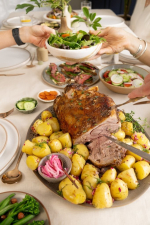
It’s official, lamb will take centre stage on Kiwi Christmas tables this year.
The vineyards at Pyramid Farm in Marlborough’s Avon Valley have never been run of the mill, with plantings that follow the natural contours of the land, 250 metres above sea level.
The red meat sector is poised for a strong rebound this season, with export receipts forecast to top $10 billion and farm profitability to almost double.
Progeny testing at Pāmu’s Kepler farm in Southland as part of Beef + Lamb New Zealand’s Informing New Zealand Beef programme is showing that the benefits of hybrid vigour could have a massive impact on the future of beef breeding.
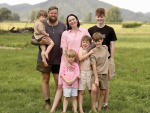

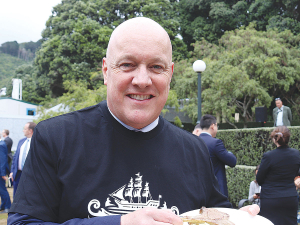
OPINION: In politics, credibility is and should be big. It must surely rank higher than charisma, which is quite trite and superficial. Yet, voters nowadays are often wooed and influenced by how someone looks or talks at a superficial level. TV plays a huge role in this.
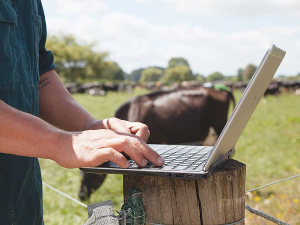
Farmers can spend less time on paperwork, thanks to a new data sharing agreement between DairyNZ’s DairyBase and LIC’s MINDA software.
Kaikōura families affected by July's severe storm have found a practical solution to a problem that's kept some children away from regular schooling for weeks: a washed-out section of Inland Kaikōura Road, which has stopped the local school bus from running its usual route.
Rural New Zealand is welcoming the Government’s recent package of rural healthcare initiatives.
Interest in agritech and production animal systems has prompted Massey University's School of Agriculture and the Environment to new majors to its popular animal science degree.
Ballance Agrinutrients chief executive Kelvin Wickham says despite a tough year, he is pleased the business has returned to profit.



OPINION: The same mainstream media muppets that brought you Jacindamania in 2017 have been flat out pimping for the Opportunities…
OPINION: Your old mate reckons the atrocious way farmers in the UK are treated by their lords and masters in…