FARMER CO-OP Livestock Improvement Corporation (LIC) is revamping its executive team and aiming to raise revenue 500% by 2025.
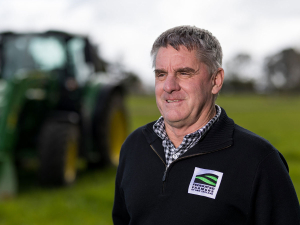
Directors and farmer shareholders have given chief executive Wayne McNee the go-ahead to trim executive numbers from 11 to 8. The post of chief operating officer is abolished and four new management positions are advertised. Several current executives may settle for non-executive roles or quit.
Staff learned this month of a strategy to earn $1 billion in revenues by 2025; the animal breeding and farm technology service provider earned $200m last year.
McNee says the challenging target can be achieved by offering products and services farmers are willing to pay for.
"At the moment the LIC board and LIC shareholders council think there is a lot of latent potential in this business," he told Rural News.
"We have been a growing and successful business but we haven't been agile enough in developing new products and have under-invested in the business. We are making up now by investing in backroom hardware and development of new products."
Under the new strategy, 58 roles have been abolished and 78 new roles created.
Workers are taking the restructuring pretty well but some unease is seen among management, McNee says.
"For many staff this is an opportunity to move into higher roles. Executive management have found it challenging because they haven't been through this before and some of them... may not end up with a role in management."
LIC's new management team will be in place by June 1. The co-op plans to work with fertiliser co-ops Ballance and Ravensdown and milk processors Fonterra, Westland and Synlait to integrate information systems for farmers.
"Given that farmers – apart from Synlait – own all those businesses, we are trying to make sure we are not all doing the same thing but working collaboratively," McNee says.
LIC is also eyeing more acquisitions. Earlier this year, it bought the milking metering business Dairy Automation Ltd.
Growing the international business will also help hit the revenue target. For example, the Protrack herd management system draws worldwide inquiries, says McNee.
"There is a lot of interest from milking machine companies here and overseas on how Protrack could be integrated with their systems. This has a lot of potential; if we get it right, we will fill a big chunk of that revenue target."
LIC is looking at launching integrated packages of information systems, automation and genetics into UK, Ireland, China and Brazil – all key markets.
A South America business strategy is high on the agenda. "We sell semen to Chile, Uruguay, Argentina and Colombia but we don't sell an integrated package into any of those markets. We are looking at whether we can sell integrated packages similar [to those in] New Zealand."
McNee sees LIC shareholders as fully behind the new strategy. "Farmers have been telling us they are less concerned about profit and want us to invest in services and the future for them."