
Federated Farmers Welcomes ACT’s New Farming Policies
Federated Farmers has welcomed new rural policies released by ACT, saying they align closely with its own election priorities.




 increase font size
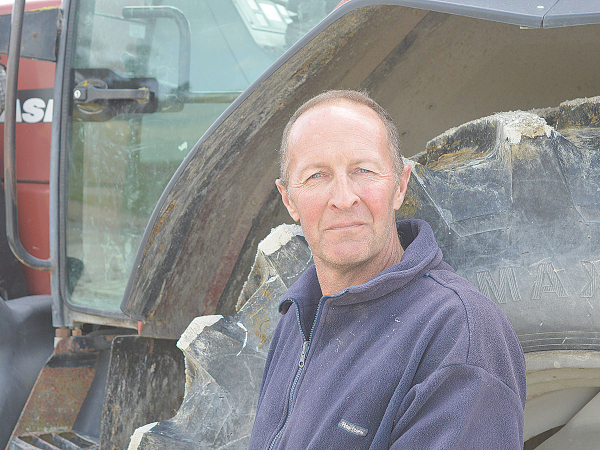 ACT primary industries spokesperson Mark Cameron.
ACT primary industries spokesperson and Whangarei dairy farmer Mark Cameron says one solution to rising prices in the supermarket is to reduce the rising production costs on farm.
The comments come just two weeks after Stats NZ announced grocery food prices rose 7.5%.
“Rabobank has warned that rising costs on-farm will flow into higher costs for consumers, while slimmer margins for farmers will also mean less spending within rural communities,” Cameron says.
“They have also described farmer confidence as being the lowest on record since the pandemic began.”
He says that while some cost increases are due to global issues, the deluge of regulations from the Government has had a compounding effect which he describes as “unnecessary”.
“Freshwater reforms, winter grazing rules, Zero Carbon Act, limiting migrant workers, other ideological climate policies, Significant Natural Areas, taxes on utes… the list goes on. Farmers have taken a hammering from this government,” Cameron says.
“As a dairy farmer myself, I know that farmers are best environmentalists around. We kept the economy going through COVID. It’s time the Government gave us a break.”
He says the ACT Party is calling on Environment Minister to extend the 1 November deadline for farm environment plans, something industry groups like Beef + Lamb New Zealand have also called for.
“The Government needs to remember that the more expensive and tough it is for farmers to produce, the higher prices will be at the checkout.”
Federated Farmers has welcomed new rural policies released by ACT, saying they align closely with its own election priorities.

When Northland farmer Mark Cameron entered parliament six years ago, the Beehive was a lonely place.
OPINION: As the general election approaches, political parties are churning out policies in the hope of attracting more votes.
OPINION: Farmers are being put on notice by the Green Party.
Associate Agriculture Minister Mark Patterson says his party – NZ First - isn’t opposed to the “trade element” of a free trade deal with India.


Federated Farmers has welcomed new rural policies released by ACT, saying they align closely with its own election priorities.

Rural Contractors NZ says proposed changes to land transport rules for agricultural vehicles are a welcome response by the Government to out of date regulations which have seen members hit with huge fines.
Alliance is calling for final applications for its 2027 Graduate Programme, with applications closing on Sunday 25 October.
Decades piloting planes has ensured vet and farmer David Hayes is focused on safety. So, after a serious accident while welding on farm, he is sharing his experience so others can learn from it.
Canterbury milk processor, Synlait Milk has confirmed Leon Fung as its chief executive officer.
OPINION: Making it easier to collect rainwater and use it to grow crops and livestock is a no brainer.





OPINION: The same mainstream media muppets that brought you Jacindamania in 2017 have been flat out pimping for the Opportunities…
OPINION: Your old mate reckons the atrocious way farmers in the UK are treated by their lords and masters in…




