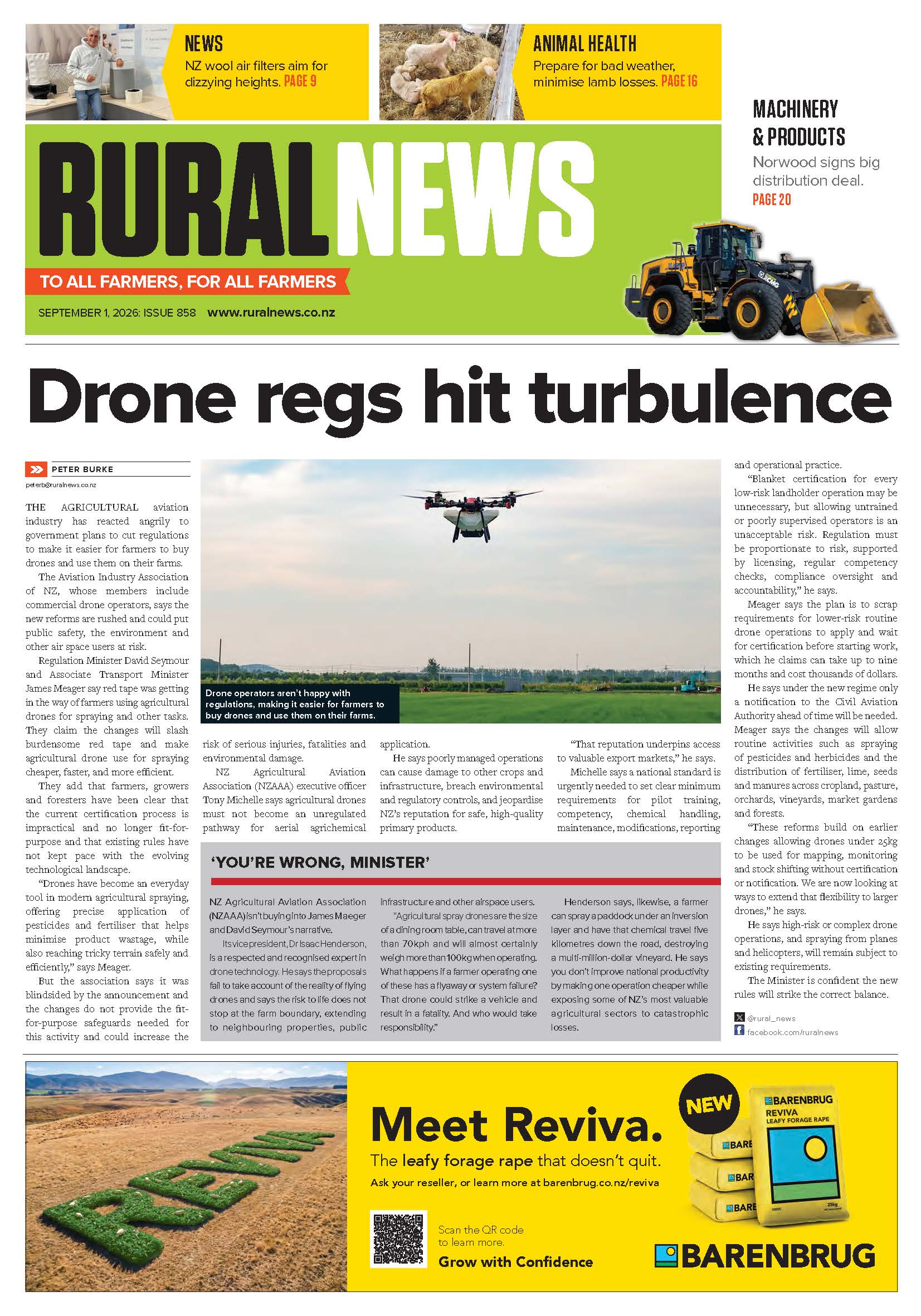
Lanaco and Blueair Launch World-First NZ Wool Air Filter
New Zealand wool is reaching new heights as air filtration companies move away from synthetic products to biodegradable alternatives.




 increase font size
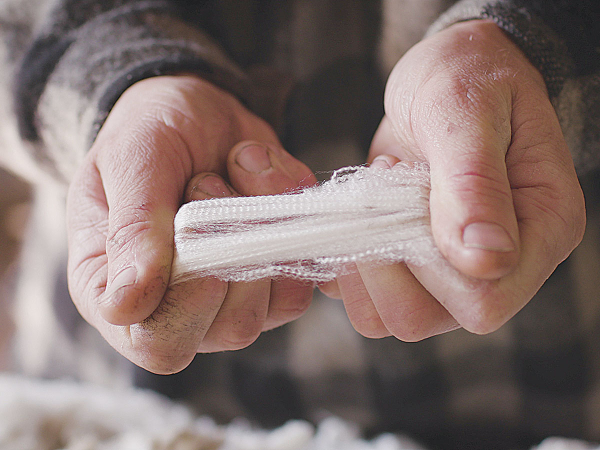 Wisewool is aimed at increasing the market potential of woollen knops – the small, light fluffy balls used as a filler ingredient.
New Zealand strong wool could bring a bounce back into soft upholstery – and woolgrowers’ bank accounts – through a new project seeking an alternative to synthetic fillers.
The Ministry for Primary Industries’ (MPI) Sustained Food and Fibre (SFF) Futures fund is committing $790,000 over three years to a project led by Wisewool aimed at increasing the market potential of woollen knops – the small, light fluffy balls used as a filler ingredient.
“This project has the potential to improve returns to our strong wool producers and provide an environmentally friendly alternative to existing synthetic products,” says Steve Penno, MPI’s director of investment programmes.
“Woollen knops can be used in baby bedding and insulated clothing as well as mattresses, so it’s a versatile product with plenty of scope.”
Wisewool chief executive Henry Hansen says the project will predominantly focus on working out the right components and blends to create a range of woollen knops for different products. Wisewool will also be conducting research and development of needle punched wool blanketing used for residential and commercial furniture upholstery, insulation for the apparel industry, bedding and futons.
“We’ve discovered that when used in large quantities as a filler ingredient, woollen knops increase the bounceback and compression resilience of the fibre,” Hansen explains.
“We’ll continue researching and comparing the compression resilience of both wool and synthetic fibres and will adjust our carding machines to produce various wool knop blends, along with conducting environmental and inmarket testing."
Penno said one of the main drivers for funding this project was its potential to provide an alternative, high-value use for New Zealand strong wool.
“We’ve asked Wisewool to research consumer price preferences to see if the knops can be sold at a price that gives a good return to farmers.”
The SFF project – which includes finding high value uses for New Zealand strong wool and new industries to elevate Kiwi food and fibre producers – also aligns with the goals of the Fit for a Better World roadmap, which aims to boost sustainability, productivity, and jobs over 10 years.
SFF Futures has invested more than $14.69 million in 15 strong wool projects to date. A couple of these include strong wool acoustic wall panels and strong wool-based medical treatments. Penno also points to the establishment of industry organisation Wool Impact, charged with driving innovation and demand for strong wool.
“By working together with industry leaders and innovators, and thinking outside the box, we have the opportunity to turn our homegrown strong wool industry around.”
New Zealand wool is reaching new heights as air filtration companies move away from synthetic products to biodegradable alternatives.
Will a stronger, more coordinated voice help rebuild confidence and improve returns in the wool sector?
Testing confirms H5 bird flu in a single northern giant petrel, found dead on a remote Cape Palliser beach in the Wairarapa, says Dr Mary van Andel, the Ministry for Primary Industries' (MPI) Chief Veterinary Officer.
The apple sector is working with the Government to unlock access to two key markets that could bring millions in revenue for apple growers.
OPINION: A simpler, clearer, more effective Recognised Seasonal Employer (RSE) scheme.



Now in its fourth year, the 2026 Fencing Industry Awards, formed part of the proceedings of the FCANZ Conference, held in Nelson during August.
DairyNZ deputy chair Cameron Henderson has been re-appointed unopposed for another term.
OPINION: The stats speak for themselves.
Farms across the upper North Island are trialling different pasture mixes as part of a research programme that aims to build greater resilience into farming systems.
Election years are always a concerning time for farmers, according to DairyNZ chair Tracy Brown.
The Ballance Farm Environment Awards are coming to the West Coast of the South Island.

OPINION: The same mainstream media muppets that brought you Jacindamania in 2017 have been flat out pimping for the Opportunities…
OPINION: Your old mate reckons the atrocious way farmers in the UK are treated by their lords and masters in…