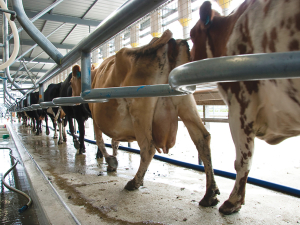
Fonterra Expands Organic Dairy Programme Into South Island
Fonterra has announced it will continue with the planned expansion of its organic business into the South Island.




 increase font size
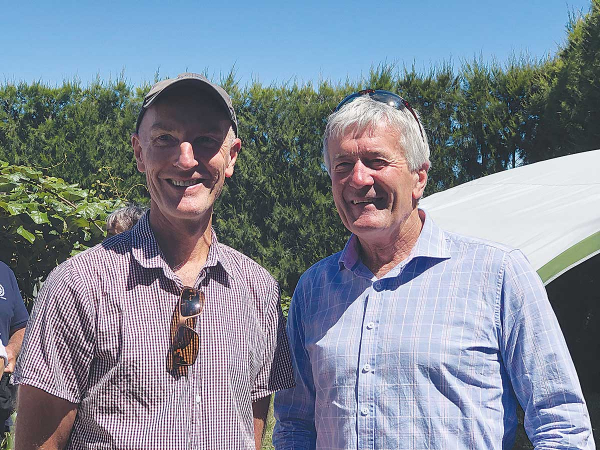 Chris Morrison (left), chair of Organic Aotearoa NZ on-orchard in Opotiki with Hon Damien O’Connor, Minister for food safety.
Legislation aimed at tightening up the rules and laws on organic products has drawn widespread support from the organic sector.
One group has described the move as a ‘good moment for NZ’.
The Government introduced the new Bill last week and after its first reading it will be referred to the Primary Production Select Committee for the public to have their say on the proposed changes.
Food Safety Minister Damien O’Connor says the new legislation aims to increase consumer confidence when purchasing organic products, allow businesses to make claims that their products are organic with certainty, and promote international trade in organic products.
He told Rural News that they have had on-going discussions with the organics sector for a number of years and that they have always been seeking uniform standards. He says the legislation is largely at the request of the industry.
“We have progressed this because it provides certainty and security for people who are considering going into organic production, while at the same time giving confidence to consumers that what they buy as organic is true to label.”
O’Connor says up until now there has been no specific legislation relating to organics. He says under the Commerce Act there are rules that those dealing in organics must be honest in terms of their marketing and labelling of products.
However, he claims now days there is greater emphasis on traceability and integrity of products and this legislation will bring NZ into line with the laws in many other countries.
O’Connor adds that many existing organic growers are covered by the certification systems now in place and for them the new law will not involve massive changes – maybe just tweaks. He says the main things about the law is that it show consumers that products coming from NZ have the approval of the government, which will adds to the credibility of the product both domestically and internationally.
Recent research shows demand for organics is increasing. The U.S. organics market alone is currently worth more than NZ$70 billion, and the EU organics market is worth around NZ$65b. O’Connor says there’s been a cumulative growth in the EU organics market by 460% since 2000 and the number of organic producers in the Oceania region has almost tripled since 2006.
“Meantime, domestic and global demand for New Zealand organics saw the sector grow 30% between 2015 and 2018 to be worth more than $600m, according to a report from Organics Aotearoa New Zealand,” he says.
“The report also showed organic fresh fruit and vegetable exports were up 24 per cent, dairy, meat and wool exports up 45%, and wine exports up 13 % from just three years prior. Now is the time to put a framework in place to help sustain and enhance this growth.”
Move welcomed
Certified Organic Kiwifruit Association or COKA chair Doug Voss says – as a long-time, certified organic kiwifruit grower – he’s grateful for minister and his officials’ unfailing support to promote the mandatory national standards.
“We’ll continue to work collaborative and constructively with the government and other organic producers, including HortNZ, to promote the passage of the much-needed national standards and regulation to grow the organic market for New Zealand certified products,” says Voss.
Organics Aotearoa NZ, which represents a diverse membership of organic producers, processors, suppliers, wholesalers and retailers, says the new legislation will bring New Zealand into line with its major trading partners and enable easier access across global markets.
Fonterra has announced it will continue with the planned expansion of its organic business into the South Island.
Having 30% of Central Otago's vineyard area certified organic is "a true testament to the passion and dedication of growers", says Carolyn Murray, General Manager of the Central Otago Winegrowers Association.
OPINION: The end-of-year booze-up at the posh Northern Club in Auckland must have been a beauty, as the legal 'elite' let their hair down and showed us how entitled and political some in the judiciary really are.
The Organic Products and Production Bill represents a big opportunity for New Zealand, from organic exporters to discerning consumers, says Tiffany Tompkins.
New Zealand's organic export market has been ‘dominated’ by dairy, according to the latest market sector report released by Organics Aotearoa New Zealand (OANZ).


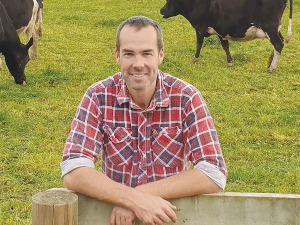
DairyNZ deputy chair Cameron Henderson has been re-appointed unopposed for another term.
Farms across the upper North Island are trialling different pasture mixes as part of a research programme that aims to build greater resilience into farming systems.
Election years are always a concerning time for farmers, according to DairyNZ chair Tracy Brown.
The Ballance Farm Environment Awards are coming to the West Coast of the South Island.
Most dairy regions around the country have had a pretty good season so far says Tracy Brown.




OPINION: The same mainstream media muppets that brought you Jacindamania in 2017 have been flat out pimping for the Opportunities…
OPINION: Your old mate reckons the atrocious way farmers in the UK are treated by their lords and masters in…