Election 2026: How Parties Would Lift the Arable Sector
As part of its Election 2026 coverage, Rural News asked political parties how they would help pull the arable sector out of the doldrums. Here's what they said:




 increase font size
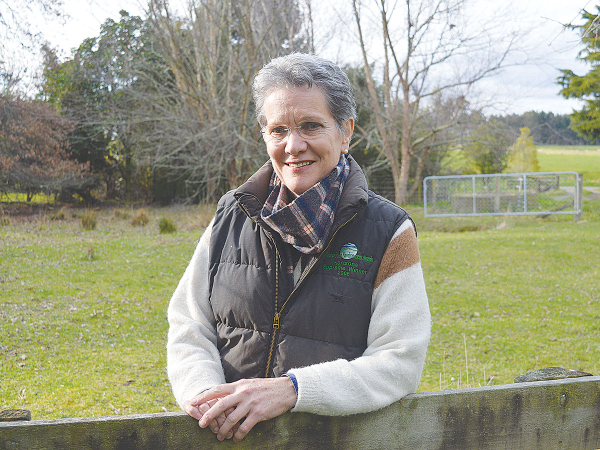 New Methane science review panel chair Nicola Shadbolt.
The secretariat of the Government’s new methane science review panel says support from the agricultural industry is central to developing enduring solutions to agricultural emissions.
The review was announced last month by Climate Change Minister Simon Watts and Agriculture Minister Todd McClay and has been set up to provide evidence-based advice on what the biogenic methane target should be.
The panel will be chaired by farmer, academic and former Fonterra director Nicola Shadbolt, who says it is a “critical and long overdue piece of work”.
Shadbolt says the panel has now met and will be taking the first few weeks to get to know each other and sort out its “plan of attack”.
Meanwhile, the secretariat of the panel says some in the farming sector have shared concerns regarding whether the current 2050 methane target, which was set in 2019, is fair and appropriate.
“Some have concerns that it may lead to higher costs of production as well as the risk of production moving offshore,” they told Rural News.
“This is what makes the panel’s work so important – we will be providing an evidencebased review on the methane target. This review will complement the Climate Change Commission’s review of the 2030 targets this year and will help to inform the Government’s response to the Commissioner’s advice,” they said.
The panel will be reviewing the latest methane science to provide a robust, independent, and up-to-date evidence base about methane’s warming impact.
“The panel’s work will provide evidence-based advice on what New Zealand’s biogenic methane target should be to ensure no additional warming,” they added.
There will also be a process for interested parties to submit relevant advice to inform the panel.
New Zealand’s current legislated methane targets would require an incredibly ambitious 10% reduction in methane by 2030 and a 24 to 47% reduction by 2050. Farmer groups including Federated Farmers have opposed these targets from day one.
The five-member advisory panel includes Professor David Frame, University of Canterbury, NIWA principle scientist Dr Sara Mikaloff-Fletcher, Dr Laura Revell, University of Canterbury and Professor Bill Collins, University of Reading.
Agriculture Minister Todd McClay says the panel’s members are highly-regarded climate and atmospheric scientists with extensive domestic and international experience on climate change and biogenic methane.
McClay says the panel’s report will complement the Climate Change Commission’s review of the 2050 targets this year and will inform the Government’s response to the Commission’s advice in 2025.
“The Government is committed to meeting our climate change obligations without shutting down Kiwi farms. We need to make sure our targets are fair and sustainable” he says.
“New Zealand farmers are some of the world’s most carbon-efficient food producers. It doesn’t make sense to send jobs and production overseas, while less carbon-efficient countries produce the food the world needs.”
As part of its Election 2026 coverage, Rural News asked political parties how they would help pull the arable sector out of the doldrums. Here's what they said:
Food and fibre exports have returned a billion- dollar bonus to the country.
Vetekina Pau'u is the first Tongan to win the William Gearish Memorial prize and sadly she will also be the last recipient.
The Government is backing work on a community-led water storage scheme that could irrigate up to 11,000 more hectares of the Poverty Bay flats, Agriculture Minister Todd McClay says.
A Labour-led Government won’t be bringing back the controversial freshwater rules of 2020.


Fonterra board members are in line for a pay rise of around 3%.
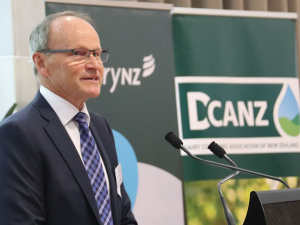
Dairy processors are ready to further boost New Zealand’s export earnings but want the incoming government to match their ambition with good policy.
Massey University is best placed to solve the “problems” facing the dairy industry, says vice chancellor, Pierre Venter.
Synlait's longest serving employee – a man who joined the Canterbury-based milk processor even before it began processing milk – is now its newest executive.
A dairy industry leader believes eradicating the common and costly disease, Bovine Viral Diarrhoea (BVD) is within reach.
A farmgate milk price of $10/kgMS this season is firming up as milk powder prices soar and the New Zealand dollar weakens.



OPINION: The same mainstream media muppets that brought you Jacindamania in 2017 have been flat out pimping for the Opportunities…
OPINION: Your old mate reckons the atrocious way farmers in the UK are treated by their lords and masters in…




