Editorial: RSE Review - A Timely Move
OPINION: A simpler, clearer, more effective Recognised Seasonal Employer (RSE) scheme.




 increase font size
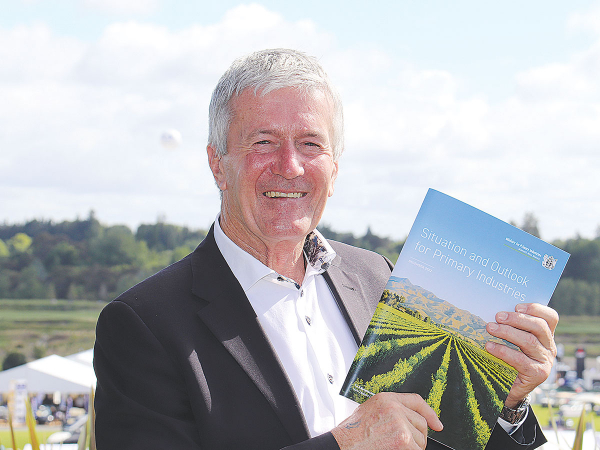 Agriculture Minister Damien O'Connor pictured with a copy of the 2022 SOPI Report.
Agriculture Minister Damien O'Connor is talking up the latest figures, which show export returns from the primary sector year topped the $53 billion mark this year - an 11% increase on the previous year.
O'Connor described the result as outstanding and says it all happened in the face of global turmoil and uncertainty. The news came in the December report of the Situation and Outlook for Primary Industries (SOPI), which produces quarterly updates on how the sector is tracking in terms of export receipts. It also provides commentary on this and the issues the sector has faced and could face in the coming year.
The report was unveiled recently at Fieldays before a group of industry leaders and Ministry for Primary Industries (MPI) officials. It shows that the dairy industry was the main contributor to the increase. This was up by a massive 15% on the previous year to $22 billion and expected to increase by more than a billion in the coming year.
Another big contributor was the meat and wool sector, with export returns up by 18% to just over $12 billion on the previous poor season. However, in the coming season, MPI is only forecasting a mere 1% increase. Overall, horticulture exports rose by just 2% to $6.7 billion - with a modest 5% rise expected next year. Forestry exports remain at about the 2021 level.
O'Connor claims that accelerating NZ's export growth is a major cornerstone of the Government's economic recovery plan, and says the report shows further evidence that this plan is working.
He added that it's comforting to know there is strong demand for food and fibre, keeping NZ's economy better positioned compared to others.
"I think at the time when it is hard to shift a lot of our product, it's a classic example of moving up the value chain and selling to consumers who want to connect with NZ."
O'Connor admits people are uncertain as to what the future might hold for them, especially if they are hearing some of the advice from our customers offshore about how they want the food they eat produced. He claims that NZ is going to have to step up and reduce farm emissions to meet the requirements of our customers.
"That is the reality that we face and we do have to look forward and change, despite the fact that it can be difficult depending on the nature of a farm and the systems it is running."
Meanwhile, the report points to further uncertainty and disruption - geopolitical or climatic.
OPINION: A simpler, clearer, more effective Recognised Seasonal Employer (RSE) scheme.
Dairy continues to be the mainstay of the country's primary export earnings.
Against all the odds, the primary sector has turned in a stellar performance with export returns for 2026 hitting $64.3 billion - up 6% on the previous year.
A miserable budget that didn’t deliver much for anyone.
National's decision to ‘dribble’ information about the NZ/India to Labour contributed to the delay in it deciding to supported the FTA.


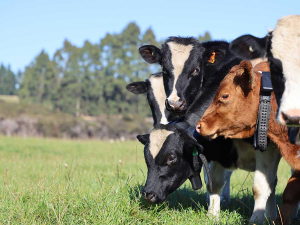
High country stations, mixed sheep and beef farms, Māori-owned farms, corporates and family operations are among the nine commercial farms taking part in the Livestock Innovation Farming Transformation programme, known as LIFT.
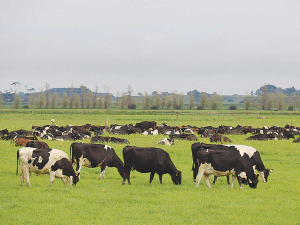
OPINION: New health and safety guidance unveiled by the Government recently provides farmers greater certainty about what is expected of them when managing risks on farm.
The National Animal Welfare Advisory Committee (NAWAC) is seeking public feedback on proposed changes to the Code of Welfare for Rodeos.
A New Zealand initiative supporting farmers to restore the health of grazing landscapes has received international backing through the Regenerative Fund for Nature, a global collaborative fund supporting regenerative agriculture and the communities that produce natural fibres for the fashion industry.
Combine premium New Zealand products, blend in a family ritual and what do you get? A world-class functional drink.
Entries are now open across eleven regions for the 2027 New Zealand Dairy Industry Awards (NZDIA).


OPINION: The same mainstream media muppets that brought you Jacindamania in 2017 have been flat out pimping for the Opportunities…
OPINION: Your old mate reckons the atrocious way farmers in the UK are treated by their lords and masters in…