Luxon Praises NZ Red Meat Industry's Global Success
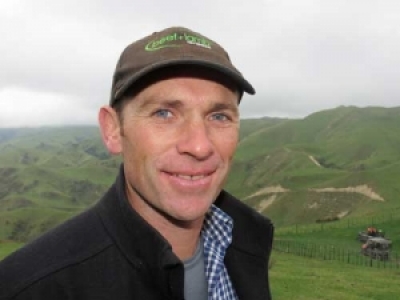
Prime Minister Christopher Luxon says the red meat sector is doing an excellent job promoting our pasture-fed system around the globe.
The Trans Pacific Partnership will eliminate over time most of the tariffs on New Zealand's red meat sector, says Beef + Lamb chairman James Parsons.
The Trans Pacific Partnership deal is critical for New Zealand sheep and beef farmers and meat exporters, keeping us competitive in key markets, says Parsons.
The New Zealand sheep and beef sector exports close to 90% of its production totaling $7.4 billion, on which we paid $323 million of tariffs in 2014. Nearly one-third of those total exports go to TPP member countries, with a significant proportion of those tariffs paid in Japan ($77 million) - where applied tariffs on our beef exports are 38.5%.
The TPP agreement will eliminate, over time, the vast majority of tariff costs on New Zealand red meat exports to TPP member countries. Based on 2014 exports, this would be a reduction in tariffs paid of around NZ$72 million which ensures that New Zealand red meat products will remain competitive in TPP markets.
"The TPP deal also includes ways to address complex non-tariff barriers, which will prove useful in terms of opening markets and ensuring that they stay open", says MIA chairman Bill Falconer.
The TPP is expected to enter into force within two years, once all member countries have completed their legislatives processes.
B+LNZ and MIA work together to improve access for sheep and beef products to overseas markets, including by providing in-depth analysis to support the government's trade negotiation efforts.
Certainty and a clear understanding of the needs of rural communities is a critical outcome in the series of government reforms that are taking place at present.
Fonterra has reduced its forecast 2026/27 Farmgate Milk Price.
New Zealand dairy farmers are set to be the first in the world to receive access to a new digital physical milk pricing tool that enables them to fix the price for their physical milk.
State farmer Pāmu is opening its farm gates this summer in an effort to give the rural sector the opportunity to see how large-scale, multi-system farming is delivering productivity and profitability across New Zealand.
A five-year study has found that the cost of reducing emissions without technology may be significant and unsustainable for Northland dairy farmers.
DairyNZ says Waikato farmers need certainty on Plan Change 1, but they say that certainty must be matched with practical, workable rules and a clear transition that doesn't get ahead of the new resource management system currently under review.

OPINION: Central Hawke's Bay farmer Mark Warren recently told the Hawke's Bay Times it's time for a conversation about allowing…
OPINION: A nation that relies as heavily as NZ does on functional global shipping lanes will have to do its…