
Lanaco and Blueair Launch World-First NZ Wool Air Filter
New Zealand wool is reaching new heights as air filtration companies move away from synthetic products to biodegradable alternatives.




 increase font size
 The investment will bring broadband services to rural households that are currently without access to the internet, says Faafoi.
The Government will spend $15 million to improve rural broadband.
The money will be used to upgrade some existing rural mobile towers, upgrade wireless backhaul, which connects remote sites to central networks, and install external antennae on households to improve coverage
Broadcasting, Communications and Digital Media Minister Kris Faafoi says the investment will bring broadband services to rural households that are currently without access to the internet.
He says it will mean remote communities are better equipped to get going again when we exit lockdown.
“With the impacts of COVID-19 seeing increasing numbers of New Zealanders using broadband for education, work and maintaining links with friends and whānau, connectivity is more important than ever before,” he says
Faafoi says while the Government’s aim is to provide access to around 99.8% of New Zealanders, some households in isolated regions require reliable access to broadband services in light of COVID-19 – particularly households with school-age children who need internet access for remote learning.
He says this new work brings forward capacity upgrades to meet increased demand for the internet where the urgency is most critical.
New Zealand wool is reaching new heights as air filtration companies move away from synthetic products to biodegradable alternatives.
Generative AI in the workplace, trials in the field, and industry-relevant research took centre stage at this year’s Grape Days events in Central Otago, Hawke’s Bay and Marlborough.
Virtual fencing company Halter is going global but for founder Craig Piggott, New Zealand farmers will always remain their main partners.
Use of agricultural drones by contractors in New Zealand is soaring.
OPINION: New technologies can promise the world but how do we know if they are delivering?


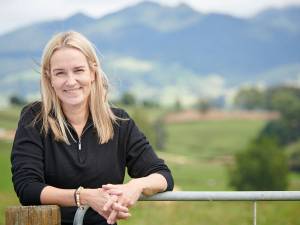
Minister of Conservation Hon Tama Potaka has appointed Susan O'Regan as Chair of the Queen Elizabeth II National Trust (QEII) for a three-year term.
Red meat farmers are welcoming Labour’s plan to review the Emissions Trading Scheme and not to campaign on pricing agricultural emissions.
Where any worker in the kiwifruit industry is mistreated, we expect the authorities to take action.
Mid Canterbury Federated Farmers arable chair, Bevan Lill, said Beef + Lamb NZ data indicated that for the last six years, the average arable return on investment was about 0.8% while inflation ran about 4% - so the average arable farm was going backwards at about 3% a year.
Seed and grain companies share the concerns of arable farmers about the viability of their sector, says Seed and Grain New Zealand chief executive Dr Sarah Clark.
The New Zealand Institute of Forestry (NZIF) says unnecessary changes to New Zealand’s Emissions Trading Scheme (NZ ETS) will seriously erode investor confidence and result in significant reductions in forest planting rates.



OPINION: The same mainstream media muppets that brought you Jacindamania in 2017 have been flat out pimping for the Opportunities…
OPINION: Your old mate reckons the atrocious way farmers in the UK are treated by their lords and masters in…




