James Blair Named 2026 Young Grower National Champion
James Blair, an agronomist for AS Wilcox and the Pukekohe regional champion, has won the 2026 Young Grower national title.




 increase font size
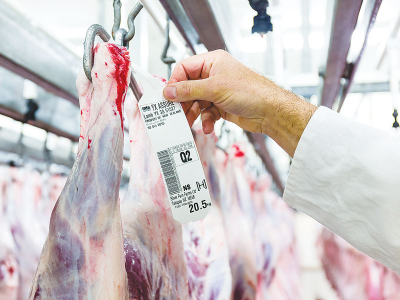 Primary sector exports earned the country $46.4 billion for the year ending June 2017.
Horticulture is again the star in primary exports revenue growth, says MPI’s Situation and Outlook September update.
Hort’s revenue growth jumped 13.7% in the year ended June 2019 to $6.1 billion.
But dairy was the biggest money earner, growing 8.7% to $18.1b – a $1.47b increase.
Overall primary exports were also up 8.7% to $46.4b for the year ending June 2017 but are expected to drop 0.5% in the current year to $46.2b.
“Prices are forecast to remain high for most products, but lower export volumes are forecast in most sectors,” said the report.
“Dairy and red meat volumes are expected to drop after benefiting from above-average pasture growth last season, and lower log prices are expected to drive a decrease in forestry production and exports.”
The Chinese market’s importance keeps growing for the dairy sector, with exports growing 21.5% over the last year and now accounting for 31.2% of total dairy export revenue.
Two thirds of last year’s revenue increase for dairy came from China.
Milk solids production for the 2019-20 season is expected to be slightly down (0.3%). This will translate into export volume declines for some key dairy commodities (especially WMP). But growth in high value products such as infant formula and “other” liquid milk products such as UHT are expected to continue.
Relatively strong farmgate returns are expected in the upcoming 2019-20 season: the all-company average farmgate milk solids payout is forecast to be $6.86 (including any dividend).
Meat and wool export revenue is forecast to reach $10.1b for the year ending June 2020, a 1% fall from the previous year due to a slightly lower production outlook. Slaughter weights reached record highs for both lamb and mutton in the year ended June 2019 at 19.1 kg and 26.8 kg, respectively, due in part to good pasture growth.
Beef production is forecast to fall slightly in the coming year to 676,000 tonnes.
New Zealand’s beef and veal exports to China have doubled over the last year from $639 million to over $1.2b in the year ended June 2019. China is now NZ’s largest beef export destination.
Beef prices have been strong since 2015 and sheep meat prices over the last two years.
Assuming average pasture growth in the year ending June 2020 and fewer breeding ewes, lamb and mutton production is expected to fall slightly from last year’s level to 357,000 tonnes of lamb and 87,000t of mutton.
Prices for strong wool have been subdued for the last three years and prices are unlikely to improve in 2020. Meanwhile, fine wool prices are starting to fall from the records seen in 2018 and 2019 due to weaker Chinese demand. Overall wool export revenue is forecast to decrease 8.4% in the year ended June 2020.
Horticulture export revenue is forecast to grow 3.8% to $6.3b in the year ended June 2020, with slightly lower yields in the main crops contributing to lower growth this year.
NZ apple exports to China in the first half of 2019 were double those for the same period last year.
Apple and pear export revenue for the calendar year 2019 is expected to exceed $800m due to increases in both export volumes and prices.
Higher kiwifruit prices bring the forecast revenue up 4.5% to $2.53b for the kiwifruit season ending March 2020, despite kiwifruit production volumes for 2019-20 being on par to slightly below last season.
James Blair, an agronomist for AS Wilcox and the Pukekohe regional champion, has won the 2026 Young Grower national title.

Testing confirms H5 bird flu in a single northern giant petrel, found dead on a remote Cape Palliser beach in the Wairarapa, says Dr Mary van Andel, the Ministry for Primary Industries' (MPI) Chief Veterinary Officer.
Claimed to be the first autonomous robot for New Zealand vegetables growers, the first Kilter AX-1 unit has arrived in the country.
After delivering a strong financial year, rural trader PGG Wrightson says the coming months will depend on customer confidence and weather.
The apple sector is working with the Government to unlock access to two key markets that could bring millions in revenue for apple growers.


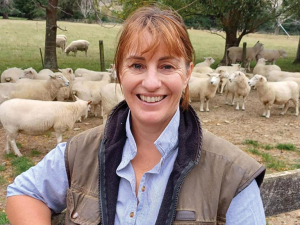
B+LNZ's Wormwise veterinarian Mary Bowron has won the Best Sheep and Beef Vet of the Year Award in recognition of her outstanding contribution to New Zealand’s sheep and beef sector.
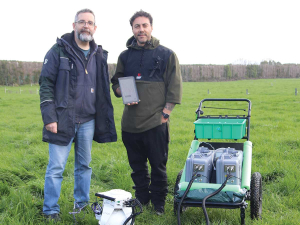
Researchers at Massey University are using a special piece of scientific equipment to improve the measurement of greenhouse gas emissions from pasture soils.
More signs of a booming kiwifruit sector.
OPINION: David Seymour and James Meager's plan to make it easier for farmers and orchardists to operate drones can best be described a 'courageous' move.
New Zealand wool is reaching new heights as air filtration companies move away from synthetic products to biodegradable alternatives.
Opuha Dam's ability to protect South Canterbury communities from major flooding has taken a significant step forward, with Opuha Water Limited (OWL) successfully commissioning a new outlet valve capable of releasing record volumes of water from the dam ahead of a weather event.




OPINION: The same mainstream media muppets that brought you Jacindamania in 2017 have been flat out pimping for the Opportunities…
OPINION: Your old mate reckons the atrocious way farmers in the UK are treated by their lords and masters in…