
Lanaco and Blueair Launch World-First NZ Wool Air Filter
New Zealand wool is reaching new heights as air filtration companies move away from synthetic products to biodegradable alternatives.




 increase font size
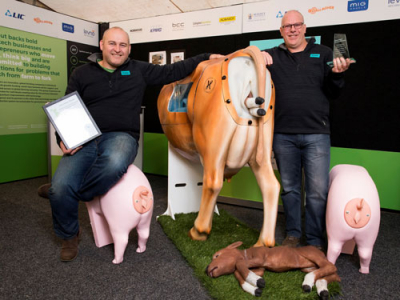 Holsim previously was a part of the Sprout AgriTech Accelerator.
Farm to fork agritech start-ups nationally and internationally are being encouraged to come forward for the next cohort of the Sprout Accelerator.
The Sprout Accelerator benefits agritech businesses that have a prototype and existing revenue, but need extra support to help them grow. Eight New Zealand and four international agritech start-ups will enter the six month accelerator in 2019, the accelerator will provide assistance tailored specifically to their needs, focussing on three key areas that enable scalable growth; high margin business models, distribution, and execution advice from experienced entrepreneurs.
Along with the funding, the selected start-ups will also have access to an extensive mentoring programme and four fully-funded underground events hosted around New Zealand. These events are designed to upskill the start-up’s knowledge of the agritech and business industry.
The accelerator has been operating since 2015 and alumni have gone on to triple their sales, pitch their companies to investors, secure nationwide distribution agreements and see a 300% increase in their customers product yield.
Steven Ridder, chief executive of Teralytics, a New York-based company that is building the world's first intelligent mobility operating system, was recently hosted by Sprout in New Zealand and is a supporter of the accelerator.
“Being hosted by Sprout gave me insight into how many parts of New Zealand’s agri sectors work, with direct connection to the people that would otherwise have taken me months to find and connect with. Sprout offers true acceleration on a new level that money alone can’t buy,” Ridder says.
Micropod, an agritech company that produces self-sustainable fresh microgreens, was one of the companies selected for the 2018 accelerator. Founder and CEO Jeffrey Xu says Sprout provided his team the tools they required to become great entrepreneurs and business people.
“The team of experts we worked with were very genuine and offered candid real world advice. They made sure we were hitting our milestones and held us accountable. Sprout’s network in the industry is second to none and really opened up many doors for us. We have learnt more about start-ups and about ourselves in the last six months, than in an entire year before joining Sprout,” Xu says.
Registrations for the Accelerator close on 4 November. Apply for the 2019 Sprout Accelerator at sproutagritech.com
New Zealand wool is reaching new heights as air filtration companies move away from synthetic products to biodegradable alternatives.

Generative AI in the workplace, trials in the field, and industry-relevant research took centre stage at this year’s Grape Days events in Central Otago, Hawke’s Bay and Marlborough.
Virtual fencing company Halter is going global but for founder Craig Piggott, New Zealand farmers will always remain their main partners.
Use of agricultural drones by contractors in New Zealand is soaring.
OPINION: New technologies can promise the world but how do we know if they are delivering?


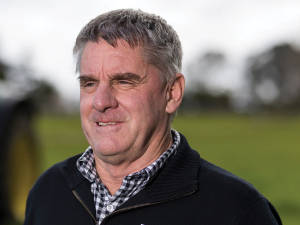
Federated Farmers has welcomed new rural policies released by ACT, saying they align closely with its own election priorities.

Rural Contractors NZ says proposed changes to land transport rules for agricultural vehicles are a welcome response by the Government to out of date regulations which have seen members hit with huge fines.
Alliance is calling for final applications for its 2027 Graduate Programme, with applications closing on Sunday 25 October.
Decades piloting planes has ensured vet and farmer David Hayes is focused on safety. So, after a serious accident while welding on farm, he is sharing his experience so others can learn from it.
Canterbury milk processor, Synlait Milk has confirmed Leon Fung as its chief executive officer.
OPINION: Making it easier to collect rainwater and use it to grow crops and livestock is a no brainer.



OPINION: The same mainstream media muppets that brought you Jacindamania in 2017 have been flat out pimping for the Opportunities…
OPINION: Your old mate reckons the atrocious way farmers in the UK are treated by their lords and masters in…




