B+LNZ Employment Hub: Farm Staff Support, Refreshed
Building a strong team is one of the biggest drivers of a successful sheep and beef business, but it can also be one of the tougher parts to get right.




 increase font size

STAFF RETENTION is a big issue in the dairy industry, says the 2013 Dairy Woman of the Year and business manager for Bel Group, Justine Kidd.
The cost of replacing staff can be up to three times their salary.
"It's the nature of our industry: people move to grow," Kidd told a Dairy Womens Network workshop. "I have been around the industry for just over 20 years and it's an ethos in our industry... if you are not moving you are not growing."
Kidd said bad employers would have a high turnover but even the best employers in the dairy industry have a lower level of retention than is seen as best practice in city businesses.
The rule of thumb used by the New Zealand Institute of Human Resources is that when a staff member moves on it costs about three times their salary. That includes training, loss of productivity and recruitment.
"It is definitely more than 1x the salary and the further up that person is in your business – the higher level of responsibility – the bigger [the cost]. And you are also paying them more, so three times $100,000 is a lot more than $45,000. It's a really big impact.
"[Given] the time and effort you have to put into them, it's about changing dynamics; out of all that is lost productivity."
Lower stress on an employer is an outcome of better retention. A better team gets you better results; they are easier to manage and you've got more time for other things. Retention also builds a better CV for the people working for you.
Retention is usually measured over the June-June dairy season, Kidd says, but that will one day change and the industry will recruit mid-season. Resignations in May-June is a critical measure for dairy farmers – not just those during the year.
Kidd says the Bel Group targets 85% staff retention for the year. If you have 100% you have stability but you can get stagnation, she says. "Turnover creates freshness and potential to bring new ideas into your business; it creates pathways for people."
Fifty per cent retention, which can be common in dairying, is too low: depending on the business size, the retention goal should be 70-85%. Ideally a senior couple should be stable but expect juniors to change every year or two. Planned turnover is preferable to unplanned.
Kidd has been involved in the family business Bel Group as business manager for six years, much of that time dealing with staff. She supervises 10 dairy farms with just under 3000ha of dairy plus dairy support.
The group employs 58 people onfarm and 65 people business-wide, including dairy operations managers and farm managers.
- Pam Tipa
Building a strong team is one of the biggest drivers of a successful sheep and beef business, but it can also be one of the tougher parts to get right.

Bay of Plenty leader and General Manager of Te Tawa Kaiti Lands Trust, Hinehou Timutimu, has been announced as the 2026 Fonterra Dairy Woman of the Year.
Nominations have opened for the Fonterra Dairy Women of the Year, marking 13 years of the award.
Beef + Lamb NZ is busy running a series of events and webinars aimed at ensuring farm profitability in the light of the impending drought.
Beef + Lamb NZ believes farmers have got some clarity from the Government's recently announced cyclone relief package.
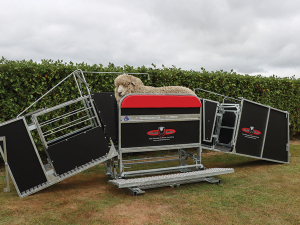
Oamaru-based livestock handling specialist Te Pari has bought Combi Clamp, the New Zealand manufacturer of Combi Clamp manual sheep handlers.
Agriculture Minister Todd McClay has admitted that a scheme bringing workers from Pacific nations to work on orchards has become too hard to navigate but says changes are coming.
A new app designed in New Zealand aims to help sheep, beef and deer farmers capture, analyse and use body condition score data more effectively.
Canterbury farmer Andy Macfarlane has been appointed to the board of AgriZeroNZ, the public-private partnership designed to accelerate the development and deployment of emissions reduction tools for New Zealand farmers.
For over 50 years Mel Ewers has been supporting the apple sector navigate through compliance and quality assurance issues.
The apple sector is enjoying a bumper harvest season.


A fair question has been raised about how member-funded organisations should conduct themselves when taking a public position on any…
OPINION: It really is getting harder to lampoon government bureaucrats when they do such a good job of it themselves.…