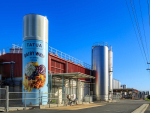
Ah Tatua, You've Done It Again!
Waikato milk processor Tatua has again declared a record milk payout to farmer shareholders, leaving other processors in the dust.




 increase font size

THE FIRST product from Synlait’s new $100 million infant formula plant will appear on supermarket shelves in Shanghai in the next fortnight.
The factory was officially opened last week by Trade Minister Tim Groser, while at the same time the first baby formula product, ‘Pure Canterbury’, was launched.
Synlait’s 51% owner, Chinese company Bright Dairy, is also its first customer and will sell the New Zealand manufactured product for about $80 a can.
“What we are finding is there’s premiums available for products from this part of the world and it’s all about the trust that’s provided when you make and finish a product here when it goes into the market sealed,” says Synlait Milk chief executive John Penno. “If it’s got all the good things about New Zealand sealed up in a can, they’re prepared to pay premiums for that and that’s something you can’t take away.”
Penno says demand for infant formula is growing worldwide and New Zealand is recognised as a source of quality product and that’s what has driven the factory expansion in Dunsandel, Canterbury.
“The infant formula plant we’ve built is very large and it will be supplying lots of different customers – we would expect be supplying up to ten customers in five countries within 12 months,” Penno says.
“Bright is one of our customers, but they’ll be one of many. As a new product coming into the market, we would expect it to start small but grow and Shanghai’s a pretty important market.”
The plant is the largest baby formula maker in the Southern Hemisphere and Synlait general manager Neil Betteridge says it’s also the most sophisticated.
He says the nutritional customers around the world demand the best and you only have one chance to get it right.
“The mix kitchen end, we think, is world leading – we’re mixing up batches to the customers’ specifications that they require in their cans so every can has to be consistent and identical. It’s paramount that we get it correct every time so we’ve invested a lot of money in automation and checking that all those compositional systems are accurate.”
Penno says the move from commodities to higher value products is very significant for Synlait.
“We’re starting to earn more from the same inputs, from the same farms, the same fertiliser, the same labour and it’s so important for us to do that.
“We’re aiming to put as much as we can into finished cans because we can capture the most value for ourselves and for the country the further along the value chain we get. For us, the strategy is about building volumes of this product because it’s so much more valuable than the other products we can make.”
Synlait also unveiled its new branding last week, “repositioning the company as a global nutrition business”. But the strategy for the infant formula is to work with established brands rather than launch products under the Synlait banner.
“The plant’s new, we’re building into this market, we’re learning a huge amount by working in partnership with those people and we’ll see what happens next,” Penno says.
“It takes considerable equity to develop a brand and do it properly so you need to be in a strong financial position which our partners are,” Synlait chairman Graeme Milne added.
“And it’s a careful decision that you would make if you make a decision to go into competition with your customers – sometimes that’s not a very good idea.”
Waikato milk processor Tatua has again declared a record milk payout to farmer shareholders, leaving other processors in the dust.
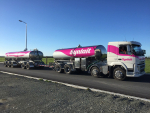
Synlait has swung to second-half profit as operations stabilise, but the dairy processor still posted a $75.4m annual loss.
OPINION: It seems Canterbury processor Synlait is still in the doldrums.
Speculation of a possible joint move by Fonterra and a2 Milk to buy Synlait raises a much bigger strategic question, says agribusiness expert Dr Nic Lees.
A revolving door of chief executives at milk processor Synlait is a warning sign, says Lincon University senior lecturer in agribusiness Nic Lees.


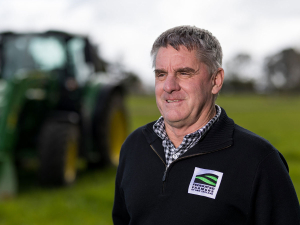
National’s pledge to introduce 19 new national standards shows the party is serious about getting Wellington out of farming, Federated Farmers says.
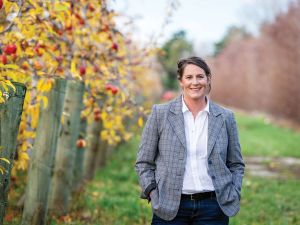
The National Party’s policies to make it easier to grow fresh vegetables, secure reliable water and energy and simplify farm planning are practical changes that will give growers the confidence to invest, according to Horticulture New Zealand (HortNZ).
Fonterra Co-operative Group chief financial officer Andrew Murray has resigned to take up a role outside the dairy giant.
A major move is about to get underway to improve the quality and viability of dairy beef and cattle in NZ.
Veterinarians say changes to the code of welfare for dairy cattle provides a positive foundation for improved cattle welfare across the country.
Today, 15 October, is the International Day of Rural Women, which recognises rural women’s contribution to farming, communities and the environment.



OPINION: The same mainstream media muppets that brought you Jacindamania in 2017 have been flat out pimping for the Opportunities…
OPINION: Your old mate reckons the atrocious way farmers in the UK are treated by their lords and masters in…




