Ah Tatua, You've Done It Again!
Waikato milk processor Tatua has again declared a record milk payout to farmer shareholders, leaving other processors in the dust.




 increase font size
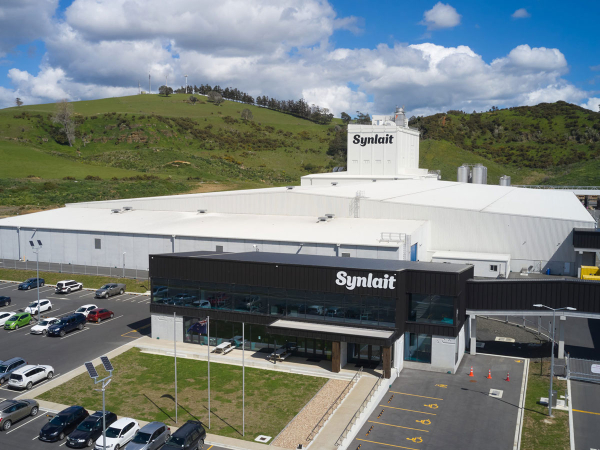 Synlait has decided that Pokeno’s operations will solely on producing advanced nutrition products which do not require raw milk.
Troubled milk processor Synlait has dropped plans to sell its Pokeno milk plant in Waikato. However, it will consider offloading the plant if a “compelling offer” was made.
The listed company has decided that Pokeno’s operations will solely on producing advanced nutrition products which do not require raw milk. The Dunsandel facility in Canterbury will remain the hub of the business for dairy operations. Synlait spent $280 million on the new Pokeno plant.
The company’s 54 farmer suppliers will now have their milk collected and processed by Open Country Dairy.
Synlait says the board will not actively seek a buyer for Pōkeno, however in the event a compelling offer was made for the asset, the company may consider it.
Synlait was considering a sale of its Pokeno plant and a blending and canning facility in Auckland to pay down debt.
In an announcement to NZ Stock Exchange this morning, Synlait stated that it has completed the strategic review of its North Island assets, including its manufacturing facility in Pōkeno and its blending and canning facility in Auckland.
The review was undertaken as part of Synlait’s business recovery plan. It explored a wide range of factors, including potential ownership structures, mothballing the Pokeno facility, and how to balance its capability to process dairy and non-dairy hybrid nutrition products.
Synlait chief executive Grant Watson says the review has been detailed and thorough.
“It’s given us the insight needed to lift the financial performance of these world-class assets. We now have a pathway to profitability in our North Island operations.”
One of the review’s findings was that switching between processing plant-based proteins and dairy hinders the Pōkeno plant’s operational efficiency. In addition, it found that transportation and manufacturing costs mean it is not financially viable for Synlait to keep processing milk at Pōkeno.
Synlait has 54 farmer suppliers in the Waikato and the company will meet all its contractual obligations to them, including incentive payments.
“We are proud of our cohort of North Island farmers and very much value the working relationship we have with them,” says Watson.
“They will remain Synlait suppliers until the end of their supply agreements and we will remain their first port of call for support. What will change is that Open Country will be collecting and processing their milk.”
Waikato milk processor Tatua has again declared a record milk payout to farmer shareholders, leaving other processors in the dust.

Synlait has swung to second-half profit as operations stabilise, but the dairy processor still posted a $75.4m annual loss.
OPINION: It seems Canterbury processor Synlait is still in the doldrums.
Speculation of a possible joint move by Fonterra and a2 Milk to buy Synlait raises a much bigger strategic question, says agribusiness expert Dr Nic Lees.
A revolving door of chief executives at milk processor Synlait is a warning sign, says Lincon University senior lecturer in agribusiness Nic Lees.


Safer Farms is urging farmers to make sure everyone working on farm has safe, suitable footwear for the job.
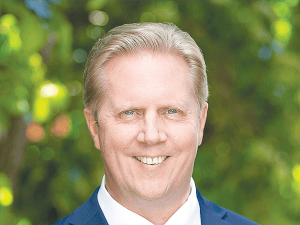
The Government is backing work on a community-led water storage scheme that could irrigate up to 11,000 more hectares of the Poverty Bay flats, Agriculture Minister Todd McClay says.
Agri-tech company Herd-i has become a new all-region sponsor of the New Zealand Dairy Industry Awards (NZDIA), the largest nationwide celebration of excellence in the dairy sector.
Four candidates have been confirmed for two director positions on Fonterra’s board.
Returning to the family dairy farm after playing 20 years of professional rugby around the world is no easy task.
After delivering another record farmgate milk price to 100 supplying farms, independent milk processor Tatua is entering thee new financial year with a positive outlook.



OPINION: The same mainstream media muppets that brought you Jacindamania in 2017 have been flat out pimping for the Opportunities…
OPINION: Your old mate reckons the atrocious way farmers in the UK are treated by their lords and masters in…




