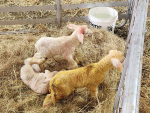
Beef + Lamb NZ's Lambing Kit Checklist for a Tough Season
With lambing underway in many regions, Beef + Lamb New Zealand is encouraging farmers to put together a wellequipped lambing kit to help minimise lamb losses, particularly in bad weather.




 increase font size
 Hamish de Lautour.
Two wool companies, that handle around one-third of NZ’s strong wool clip between them, are looking to join together in an effort to rejuvenate the country’s struggling wool sector.
Primary Wool Co-Operative (PWC) and Wools of New Zealand (WONZ) have begun formal discussions about combining operations. Collectively, the shareholders of WONZ and Primary Wool Co-Operative, along with other farmers supplying the Primary Wool Co-Operative’s joint venture CPW, produce over a third of New Zealand’s entire strong wool clip.
“Having over 2,000 passionate sheep farmers under one umbrella and building a stronger entity to represent those farmer interests will offer the combined scale and vision required to make a difference for New Zealand’s sheep industry,” says WONZ chairman James Parsons.
He adds that the two companies’ goal is to capture more value for growers by building stronger more direct relationships with customers and consumers.
“WONZ has already been doing that but we have never had the scale to turn the dial. Combining with PWC, representing its 1400 farmer shareholders and its 50% ownership of Carrfields Primary Wool (CPW), will mean we can achieve scale.”
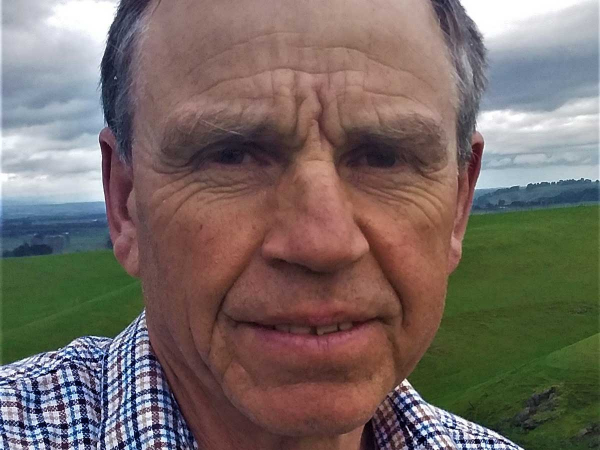
Hamish de Lautour, chairman of PWC, believes the collaboration will help position wool where it belongs.
“Both PWC through Carrfields Primary Wool and its subsidiaries, and WONZ have been developing similar strategies and doing that jointly makes real sense.”
He says PWC, via its joint venture with Carrfields, has invested significantly in the Just Shorn programme and the NZ Yarn spinning mill.
“WONZ agree this an excellent model,” de Lautour adds. “Our view is WONZ has wide global connections and developed loyal direct contract supply to the likes of fabric manufacturer Camira and bedding manufacturer Enkev.”
He says both WONZ and PWC shareholders have all got 'skin in the game’ and have invested cash to build their respective businesses.
“By working together, we are far better positioned to deliver for our grower shareholders, the sector and the country.”
Parsons says both WONZ and PWC envisage a lean simple commercial structure.
“Due to the nature of the company structures, combining operations will take time but there is a strong commitment from WONZ and PWC that this is a prize worth pursuing,” he adds.
“Combining operations will give us the critical mass to deliver on our vision, provides functional benefits, and importantly, the scale to pick up strategic commercial projects that we hope will emanate from the Action Group.”
Carrfields Primary Wool chairman Craig Carr says the company is excited by the prospect of grower unity and supports consolidation and growers speaking with one voice.
“Carrfields has a long-established relationship with PWC and look forward to the export and marketing function WONZ will bring as we implement some necessary changes in the sector.”
With lambing underway in many regions, Beef + Lamb New Zealand is encouraging farmers to put together a wellequipped lambing kit to help minimise lamb losses, particularly in bad weather.

New Zealand wool is reaching new heights as air filtration companies move away from synthetic products to biodegradable alternatives.
Will a stronger, more coordinated voice help rebuild confidence and improve returns in the wool sector?
OPINION: Confidence in the wool sector is rebounding as prices hit levels not seen in more than 15 years.
The recently signed free trade agreement with India is an invitation to strengthen relationships between the New Zealand and Indian strong wool industries, says Wool Impact chief executive Andy Caughey.



LIC shareholders have elected a new North Island representative to the co-operative's Board, along with five representatives to its Shareholder Reference Group (SRG), following the company's Annual Meeting held in Invercargill.
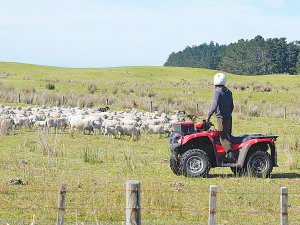
Farmers across parts of Southland and South Otago are continuing to deal with difficult conditions after a prolonged run of wet weather, with pressure building around feed supply, stock management, pasture damage, farm infrastructure and everyday workloads.
Federated Farmers says it welcomes Labour's commitment to reviewing the Sharemilking Agreements Act, calling on other major parties to do the same.
For Canterbury dairy farmers Sian Meijer and Rick Wobben, wearable technology has become one of their most valuable on-farm tools - helping manage 1850 cows across an expansive, high-performing dairy operation while improving efficiency, mating outcomes and day-to-day decision making.
Fonterra has unveiled its annual results for the 2026 financial year, posting $27 billion in revenue and close to $20 billion returned to New Zealand farmer owners and unit holders.
The first major update to the Dairy Cattle Code of Welfare in more than a decade has been released, marking what DairyNZ describes as an important step in ensuring animal welfare standards continue to evolve alongside scientific evidence and on-farm realities.





OPINION: The same mainstream media muppets that brought you Jacindamania in 2017 have been flat out pimping for the Opportunities…
OPINION: Your old mate reckons the atrocious way farmers in the UK are treated by their lords and masters in…




