Thursday, 30 July 2020 11:09

Jack’s unique solution

Written by  Mark Daniel
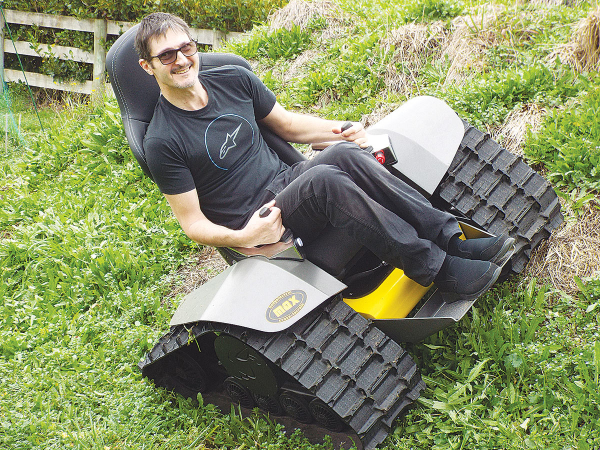
Jason Jack on the TRX-Max. Jason Jack on the TRX-Max.

Jason Jack was left with severe spinal injuries after a wakeboarding accident when he was 29, but that hasn’t stopped him getting out and about in difficult environments.

A keen outdoorsman, Jack refused to let reduced mobility get the better of him. So over the years, he built several motorised conversions, largely based on quad bikes. Unfortunately, those quads didn’t go down too well with others, as they were considered noisy and harsh on the environment.

This led to Jack heading down the electric route, where after five years of research and development, he recently released the TRX-Max. This is a purpose-built vehicle that offers able and not so able-bodied users the ability to head into difficult terrain with ease. The unique vehicle is centred on an easy-access platform, which in turn houses a supportive rally-style bucket seat. Power is derived from a 60-volt lithium-ion battery pack that drives twin electric wheel motors at each side of the machine. 

The running gear features Camoplast composite tracks running on intermediate idler rollers, with the belts centralised via integral lugs that engage with the drive wheel.

Largely self-cleaning, the tracks offer the ability to travel over the most difficult conditions. 

This includes mud, gravel, sand and snow by offering a large footprint. This also imparts amazing stability, particularly on sidling ground.

Weighing in at around 160kg and capable of a 20km/h maximum speed, the TRX-Max has an overall footprint of 1200mm wide by 1300mm long. This makes it is easily transported in a small trailer to the intended area for use.

The $30,000 plus GST price makes it comparable with high-end side by sides. Jack reckons that a $2 plug-in recharge will result in three to five hours running time – depending on terrain and speed. It also has the ability to also carry a spare battery. 

www.bodyelectric.co.nz

More like this

Students' Strobe Light Targets Nesting Birds in Tractors

During the nesting season, from September to December, industrious starlings can quickly build nests in the darker areas behind tractor and vehicle, usually close to hot engines, typically resulting in localised damage or in some cases complete write-offs.

Featured

Editorial: New Trade Order

OPINION: The World Dairy Summit, held in Auckland last week, delivered a poignant message – when it comes to global trade, the old order has passed away.

DINZ Launches Thrive 35 Accelerator for Deer Industry

Deer Industry New Zealand (DINZ) has welcomed Government co-investment in a new $10 million programme aimed at increasing the value of New Zealand farmed venison, velvet and co-products and improving returns to deer farmers.

Paige Wills: Farmlands Board Must Work to Rebuild Trust

Farmlands shareholder and Waitaki Valley sheep and deer farmer, Paige Wills says the co-operative’s board has “a considerable amount of work to do if they want to rebuild shareholder trust and confidence in their governance”.

National

Machinery & Products

World's Most Powerful Tractor?

If anyone had any doubt that Chinese manufacturers were just as serious about agricultural tractors as they are about motor…

Claas Balers Turn 30

Claas built its first variable chamber round baler - the Variant 100 - in 1996, so 2026 marks 30 years…

» Latest Print Issues Online

The Hound

'LinkedIn Greens'

OPINION: The same mainstream media muppets that brought you Jacindamania in 2017 have been flat out pimping for the Opportunities…

UK Warning

OPINION: Your old mate reckons the atrocious way farmers in the UK are treated by their lords and masters in…

» Connect with Rural News

» eNewsletter

Subscribe to our weekly newsletter