Fonterra Names Four Independently Assessed Director Candidates
Fonterra Co-operative Group has confirmed the independently assessed candidates standing for election to its board in 2026.




 increase font size
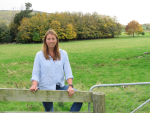
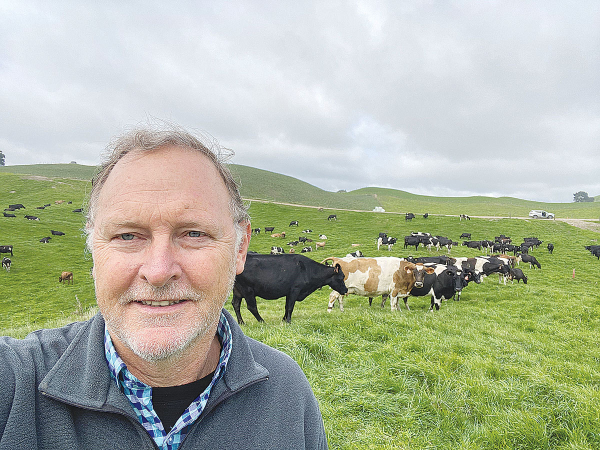 Paul Bosher says proposed changes would allow gene-edited organisms into NZ agriculture with no testing of market acceptance and contamination risk.
OPINION: At the September Fonterra results meeting in Waihi, I raised concerns about the viability and risks of releasing GE in New Zealand.
I asked what marketing case studies had been done to confim that our customers will accept GE foods from New Zealand and still pay the premium we enjoy from our non-GE food exports. I asked Fonterra CEO Miles Hurrell if he'd seen a cost benefit analysis in favour of Genetically Modified Organisms ('GMOs'). He said he had not.
So why give away our competitive advantage?
New Zealand's current GE regulations say any GE organism must be proven commercially viable, low risk and OK with New Zealanders to use in our agriculture and environment. Our regulations are like, not tougher than, everyone else's.
The proposed changes to GE regulations would allow gene-edited organisms into our agriculture with no testing of market acceptance and contamination risk. Why would we do that?
Why would government rush a regulation change through Parliament taking away control measures that have served New Zealand so well?
The science lobbyists also don't want labels on our exported food to tell our customers it's genetically modified. Yet many overseas retailers demand GE foods be labelled 'Genetically Modified'.
Since New Zealand is entirely neighbour-free, what country is better placed than us to keep our food GE-free and the demand that goes with it?
Why would we trade away this oceanic competitive advantage? Especially without doing proper commercial due diligence on the impact on our brand and premums?
Farm viability at risk
Getting our foods to faraway markets is expensive. To offset those high packaging, freight and distribution costs, we have to charge a premium.
But what if GE costs us a big part of our reputation and strips us of that premium? Will we still be able to afford to export? Will farmers, market gardeners and orchardists be able to survive?
What work has been done to confirm consumers will still pay the New Zealand premium when the New Zealand product is no longer GE-free?
Not enough
Releasing GE into our environment risks contaminating food products grown in New Zealand. Any GE scientist that tells you otherwise is misleading. You'll find that out if you ask them for a personal guarantee!
Adding to the risks is the fact that we can't clean up a GE mess. Once mutated genes are out, they're in the environment forever.
From that point on, 100% Pure New Zealand will be history. Our food integrity status that's long sustained us will be gone for good.
NZ doesn't need GE to innovate
As agricultural innovators, we've been world leaders for over a hundred years. We've got the sophisticated biology tools to stay ahead without scaring our customers by manipulating genes.
Potato plant breeders are using the same molecular biology assessment techniques as GE. They can commercialise beneficial traits in potato varieties within 18 months without gene editing. That's the sort of use we need to be putting innovation to.
GM Grasses - for good reasons we haven't gone there. Genetically modified ryegrasses have been in the New Zealand research pipeline for decades. GM grasses haven’t been allowed field trials here. Why not?
Not because the laws are too strict. But because Fonterra and others pulled the plug on proposed trials in 2009. Why? Because of their concerns about contamination risk and brand reputation damage.
Since then, nothing has changed. No grass traits have been developed to make those GE ryegrasses less of a contamination risk. Nor except for greater demand for GE-free and Organic Foods has the market changed. Yet at the rate things are going GE ryegrasses could be released into our environment in 2025. Why the rush to remove safeguards now?
If it doesn’t happen in nature, it’s not natural.
Swapping animal, plant and microbe genes and removing gene sequences in a lab (CRISPR), does not happen in nature.
And GE is not just a simple, single swap or snip.
Sophisticated genemapping tools are showing multiple unintended changes in CRISPR gene structure.
And many are linked to the risk of cancer.
This is not a natural technique. New Zealand geneticist Prof Jack Heinemann explains in a recent podcast interview that it’s not possible (using the latest GE science and technology) to stop or claim that GMOs don’t contaminate other plants and organisms with which they come into contact.
This fact may be lost on government and some industry players. It could put at grave risk our food industries’ hardwon reputation for food integrity.
Farmers stand together
The pressure for law change has not come from food consumers or customers.
No farmer should be okay about GMOs being released in New Zealand if:
Our cooperative needs to step up again to safeguard our premium and economic viability.
This is our livelihood on the line. Farmers need to work together. Call your regional cooperative reps, tell them what you think.
Paul Bosher - born in Te Kuiti and raised on his parents’ sheep and beef farm on the outskirts of Auckland – now heads his family’s diversified investment fund. In March 2021 the fund acquired a dairy and beef farm in Taupo milking some 1200 cows.
Fonterra Co-operative Group has confirmed the independently assessed candidates standing for election to its board in 2026.

Fonterra has revised its Farmgate Milk Price forecast for the 2026/27 season, lifting the midpoint and narrowing the range on the back of improving global dairy commodity prices.
Outgoing Fonterra Co-operative Council chair John Stevenson says that it has been a privilege to represent the co-op's farmer shareholders.
OPINION: It seems Canterbury processor Synlait is still in the doldrums.
OPINION: Get offside with New Zealand First leader Winston Peters at your own peril.


Converting a longstanding cropping farm to dairy was the only way to ensure the land stayed in the family long term, says new dairy farmer Rod May.
As the election heats up, Organics Aotearoa New Zealand (OANZ) has launched its election scorecard designed to help voters wanting to support policies that grow organic and New Zealand's organic sector.
A 'tsunami' of milk from key exporting countries is winding down and this may be good news for New Zealand dairy farmers.
Will the good times last? That's one of the key issues to come out of the latest Federated Farmers confidence survey.
Outgoing Fonterra Co-operative Council chair John Stevenson says that it has been a privilege to represent the co-op's farmer shareholders.
Have a plan in place for your cows and staff.



OPINION: The same mainstream media muppets that brought you Jacindamania in 2017 have been flat out pimping for the Opportunities…
OPINION: Your old mate reckons the atrocious way farmers in the UK are treated by their lords and masters in…




