Beef + Lamb NZ's Lambing Kit Checklist for a Tough Season
With lambing underway in many regions, Beef + Lamb New Zealand is encouraging farmers to put together a wellequipped lambing kit to help minimise lamb losses, particularly in bad weather.




 increase font size
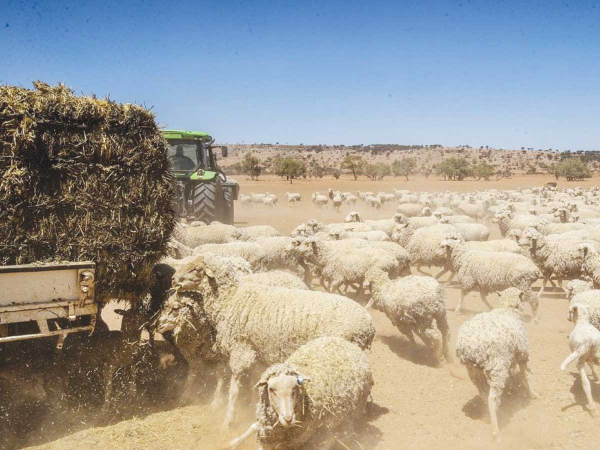 The Meat & Livestock Australia says sheep numbers will fall 3.5% this year.
Prolonged dry conditions in rural Australia are taking a toll on its national sheep flock.
The latest forecast from Meat & Livestock Australia (MLA) says sheep numbers will fall 3.5% this year.
According to MLA’s 2020 Sheep Industry Projection, stock numbers have been dropping due to drought in key sheep producing regions.
The Australian national flock underwent a significant decline in 2019 as breeding ewes continued to be offloaded: marking rates were negatively affected by ongoing drought in many key sheep production regions.
MLA senior market analyst, Adam Cheetham says the national flock is forecast to fall 3.5% to 63.7 million head by June 2020, representing the lowest national flock since 1904 and a cumulative fall of 12% since June 2017, prior to the latest drought.
“The impact and severity of consecutive drought years will be felt across both sheep and lamb supply in 2020 and for a number of years to come,” Cheetham says.
Sheep slaughter is forecast to decline 22% to 7.2 million head in 2020 and lamb slaughter is anticipated to decline to 21 million head, which is 8% below the pre-drought peak in 2016.
“This reflects the impact of the diminished breeding flock, generally lower marking rates and the expectation of greater retention of ewe lambs on-farm,” says Cheetham.
However, there is a silver lining to the decline in sheep numbers.
Australian sheep farmers should continue to receive record lamb prices this year, according to Cheetham.
Continued strong demand, limited international competition and a forecast drop in Australian sheep and lamb supply will keep prices at historically high levels.
Despite the poor weather conditions, average national carcase weights improved last year and will again lift this year, helping to offset the impact of reduced slaughter on sheepmeat production.
Lamb carcase weights are forecast to rise 2% to 23.8kg/head in 2020.
This is due to the growing prevalence of supplementary feeding or lot feeding lambs, improved pasture availability and strong price incentives to feed lambs to heavier finished weights, Cheetham says.
“As a result, lamb production is forecast to remain stable at 500,000 tonnes carcase weight (cwt), despite a decline in slaughter.
“The impact of the decrease in sheep slaughter will not be offset by the expected increase in sheep carcase weights of 2% to 24.7kg/head, with mutton production forecast to fall 21% to 178,000 tonnes cwt.”
Cheetham said production could fall further if average to above-average rainfall is experienced in the southern sheep production regions in the first half of 2020, as producers look to rebuild.
Looking at exports, Cheetham says global markets continue to reflect strong demand and constrained supplies from Australia and New Zealand, the two dominant sheepmeat exporters.
“The environment through 2020 is expected to remain much the same, supporting prices, but uncertainty regarding global trade policy and China’s appetite for meat imports due to African Swine Fever and coronavirus should not be disregarded.
“Broadly, global demand for quality sheepmeat has outstripped supply in recent years, leading to prices across all major sheepmeat suppliers reaching new highs.”
Australian lamb exports are forecast to break records again on the back of this robust international demand.
Key points
• National flock forecast to fall 3.5% to 63.7 million head by June 2020
• Reduced lamb slaughter reflects consecutive years of lower mating rates
• Rise in average carcase weights to offset the impact of reduced slaughter on production
• Australian lamb exports forecast to break records again due to robust international demand
With lambing underway in many regions, Beef + Lamb New Zealand is encouraging farmers to put together a wellequipped lambing kit to help minimise lamb losses, particularly in bad weather.
Will a stronger, more coordinated voice help rebuild confidence and improve returns in the wool sector?
With forecasters advising El Niño conditions will develop through winter and strengthen into spring and summer, Ballance Agri-Nutrients is encouraging farmers and growers to think ahead about nutrient planning and be prepared to work around challenging weather conditions.
OPINION: Your old mate hears an international incident is threatening to blow up the long-standing Anzac alliance as Kiwis and Aussies argue over who wants new Australian resident and former NZ Prime Minister Jacinda Ardern.
Recent weather events in the Bay of Plenty, Gisborne/Tairawhiti, and Canterbury have been declared a medium-scale adverse event.

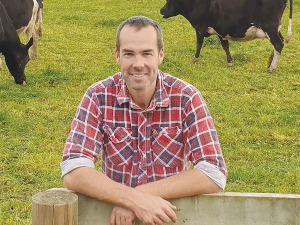
DairyNZ deputy chair Cameron Henderson has been re-appointed unopposed for another term.
Farms across the upper North Island are trialling different pasture mixes as part of a research programme that aims to build greater resilience into farming systems.
Election years are always a concerning time for farmers, according to DairyNZ chair Tracy Brown.
The Ballance Farm Environment Awards are coming to the West Coast of the South Island.
Most dairy regions around the country have had a pretty good season so far says Tracy Brown.


OPINION: The same mainstream media muppets that brought you Jacindamania in 2017 have been flat out pimping for the Opportunities…
OPINION: Your old mate reckons the atrocious way farmers in the UK are treated by their lords and masters in…