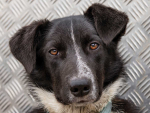
Meet Wally, the Border Collie Who Works at Greywacke
Kevin Judd, winemaker at Greywacke in Marlborough, is well versed in the gravitational pull between wine folk and dogs.




 increase font size
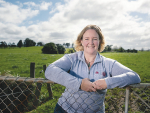
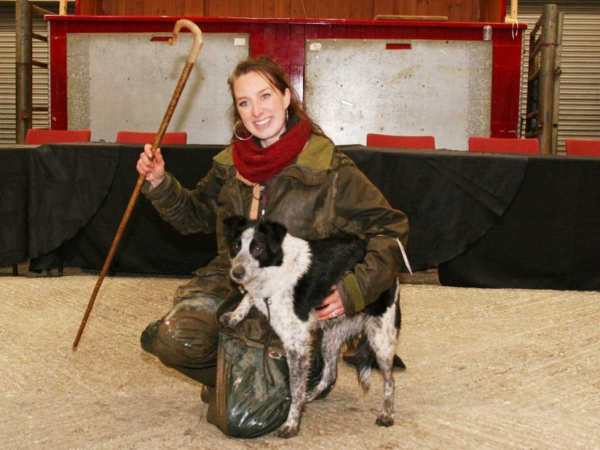 Emma Gray with Megan (Photo: CCM Auctions Skipton Auction Mart Livestock Auctioneers).
A UK farmer has smashed a world record – for selling her sheepdog at an astonishing price.
Farming UK reports that Northumberland shepherdess Emma Gray has sold her two-and-a-half-year-old sheepdog bitch, Megan for £18,900 (NZ $37,000).
Gray describes the dog as a “stylish, positive worker who can get any work job done but can also be geared right down for trials.”
The sale was made to an American telephone buyer, Brian Stamps, on February 21 at Skipton Auction Mart in North Yorkshire.
Stamps farms Wagyu cattle on 809ha in Oklahoma.
“I have followed the Skipton sale for several years as I used to run Border Collies here stateside. I figured it would be the best place available to secure a dog which would meet our needs,” Stamps told Farming UK.
"I did not know about Emma, but read posts she made about a FB group and this caught my attention when I had seen a video of the dog working and how she handled cattle.
“I used to trial 20 years ago, but do not have time to with our operations, though Megan is going to run some trials here and then retire on our ranch.”
The sale of Megan breaks a previous world record set in February last year when a sheepdog bitch was sold for £14,700 (NZ $30,200).
A UK farmer has smashed a world record – for selling her sheepdog for at an astonishing price.
Kevin Judd, winemaker at Greywacke in Marlborough, is well versed in the gravitational pull between wine folk and dogs.
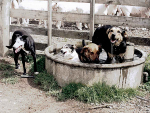
Requiring that all dogs on sheep farms be treated every four weeks for sheep measles is a significant step in reducing the impact of the parasite, says Dan Lynch.
Requiring that all dogs on sheep farms be treated every four weeks for sheep measles is a significant step in reducing the impact of the parasite, says Dan Lynch.
Farmers are throwing their support behind the Farm Debt Mediation Scheme.
Dairy farmers can unlock capital in their dairy herds in a $1 billion herd leasing scheme launched last week.


Fonterra board members are in line for a pay rise of around 3%.
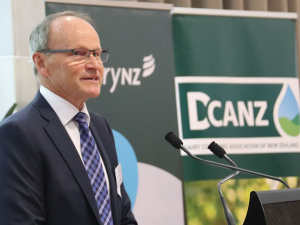
Dairy processors are ready to further boost New Zealand’s export earnings but want the incoming government to match their ambition with good policy.
Massey University is best placed to solve the “problems” facing the dairy industry, says vice chancellor, Pierre Venter.
Synlait's longest serving employee – a man who joined the Canterbury-based milk processor even before it began processing milk – is now its newest executive.
A dairy industry leader believes eradicating the common and costly disease, Bovine Viral Diarrhoea (BVD) is within reach.
A farmgate milk price of $10/kgMS this season is firming up as milk powder prices soar and the New Zealand dollar weakens.

OPINION: The same mainstream media muppets that brought you Jacindamania in 2017 have been flat out pimping for the Opportunities…
OPINION: Your old mate reckons the atrocious way farmers in the UK are treated by their lords and masters in…




