


Wine Grower (2270)
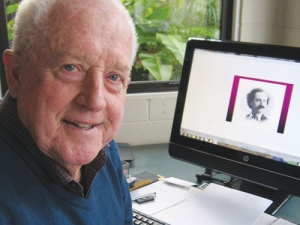
Former president of the New Zealand Grapegrowers’ Association Kevyn Moore has been devoting much of his ‘retirement’ to researching and writing a biography about Romeo Bragato, the feted founding father of New Zealand’s viticulture industry.

Payroll can be the single largest overhead for many businesses in the wine industry. Using gut feeling or “the grapevine” to determine remuneration levels is one thing, but reputable market data ensures employers make an informed decision about what they should pay their staff.

Vintage 2015 was 27 percent down on last year, and while wineries may be bemoaning the small yields they certainly aren’t unhappy about the quality.

He is renowned in New Zealand wine circles, not only for instigating the very first Pinot Noir Celebration, but also for being the face of Palliser Estate Wines of Martinborough.

Nick Nobilo’s enthusiasm for Gewürztraminer knows no bounds, nor does his passion for the New Zealand wine industry. Which is why he was so deserving of a Queen’s Birthday honour this year.


More...


My family lives in the middle of our vineyard, so the vineyard environment is also our environment, it is also our winery environment, our restaurant and cellar door environment.


We here in Gisborne like to think our seclusion from other regions gives us a sense of intrigue.
