The $14 Million Legacy That's Helping Farmers Build Careers
Tayla Steele is in her fourth year of a Bachelor of Veterinary Science at Massey University in Palmerston North.




 increase font size
 New Zealand Trade Commissioner in Vietnam, Tony Martin.
New research just completed by Tony Martin shows many New Zealand firms could be missing good export opportunities in emerging markets.
As a masters student, Martin has just completed a thesis with Massey University on how small businesses select their export markets and find partners to do business with. He focused on the food and beverage sector because of its importance to the NZ economy.
He says there is a trend for smaller NZ companies to select markets they are familiar with rather than consider broader options.
“There’s a level of comfort or familiarity about countries we know more about and are more culturally aligned with, such as Australia, the UK, the US, Singapore and Hong Kong,” Martin told Dairy News.
“They are much more front-of-mind for a lot of our smaller and medium sized companies than, say, Asia, South America or the Middle East.
“The point of the research was to see if that is influencing the way small companies start their internationalisation process. The research told me that when the companies want to actively go out and develop international markets they normally will follow the path of those more familiar countries, so they go to Australia, UK, US and so on.
“But if they get an inquiry or an order for a product from a country they don’t know much about, one they are less familiar with, then sometimes that can be a catalyst to become interested in that country. But it is very rare for them to proactively go out to these less familiar countries.”
Some companies are unaware of the options which would help break down some perceived notions about these less familiar countries. “So when a country has language, or cultural or historical differences, it doesn’t necessarily mean it is more difficult to do business in than a country we are more familiar with.”
NZTE has offices in these countries and people who speak the languages. “We have people who understand the culture and can help to facilitate entry into these markets. The attractive thing about many of these emerging markets, or markets we are less familiar with, is they are growing rapidly and they want products we produce.
“The point of this research is not to open the floodgates and say ‘everyone should be coming to Vietnam’ or ‘everyone should be going to Indonesia’. It is about [indicating to] companies where the opportunities lie and with NZ Trade and Enterprise we follow where the companies want to go and that works well.”
But there is a need to better inform NZ companies about opportunities in markets they are less familiar with.
Tayla Steele is in her fourth year of a Bachelor of Veterinary Science at Massey University in Palmerston North.

On a farm in Tikorangi, North Taranaki, Brent Stevenson is sharemilking 1,400 cows.
For Tararua District dairy farmer Lisa Lyons, ongoing professional development has always gone hand-in-hand with life on the farm, but a major health challenge prompted her to take her study journey even further.
How to save soil, living with kikuyu grass and retaining nutrients on farm.
The science underpinning New Zealand's dairy, beef and sheep grazing systems was largely established from the 1950s onward, but new analysis shows that the climate those systems were built for has shifted significantly.
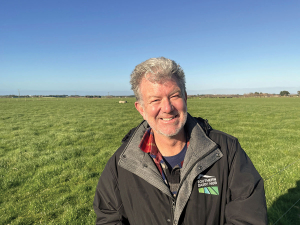
The Southern Dairy Hub (SDH), which runs a demonstration farm for South Island farmers, has a new general manager.

Esther Guy-Meakin has been announced as the new chief executive of the New Zealand Meat Board (NZMB).
According to a progress report on the Aotearoa Horticulture Action Plan (AHAP), New Zealand's horticulture sector is making real progress on the big issues facing growers.
A team effort that is paying dividends for the wider New Zealand economy.
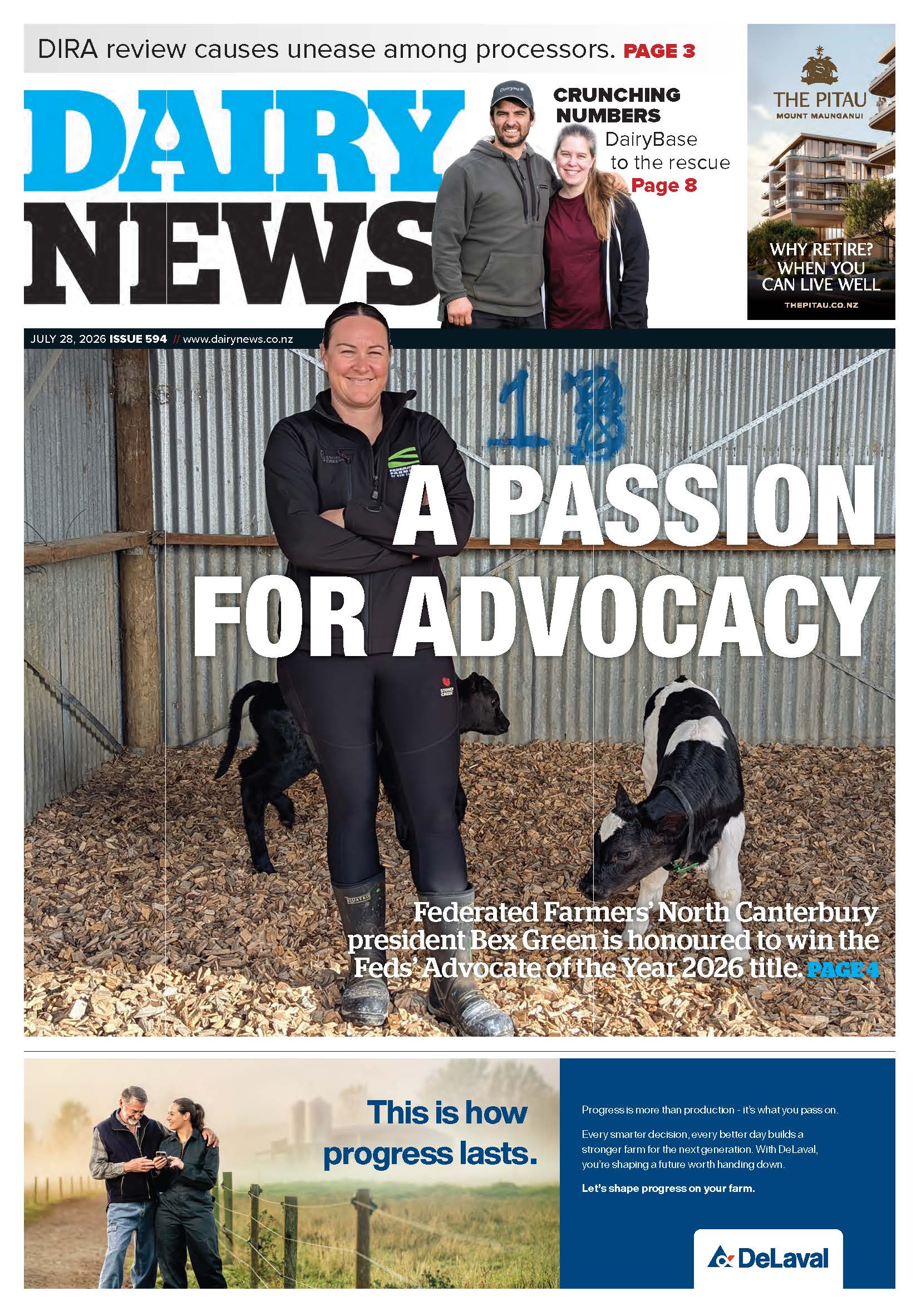
A strong sense of community involvement is what propelled the Federated Farmers' North Canterbury president Bex Green to the honoured title of the Feds' Advocate of the Year 2026.
The country's second largest milk processor is warning against 'complacency' during a review of competition regulations in the dairy sector.


New research suggests the ag sector can unlock a $2.9 billion increase in profitability, not by farmers and growing more,…
OPINION: The culture of helping someone in need is alive and well in the ag sector.