
Fonterra CFO Andrew Murray Resigns
Fonterra Co-operative Group chief financial officer Andrew Murray has resigned to take up a role outside the dairy giant.




 increase font size
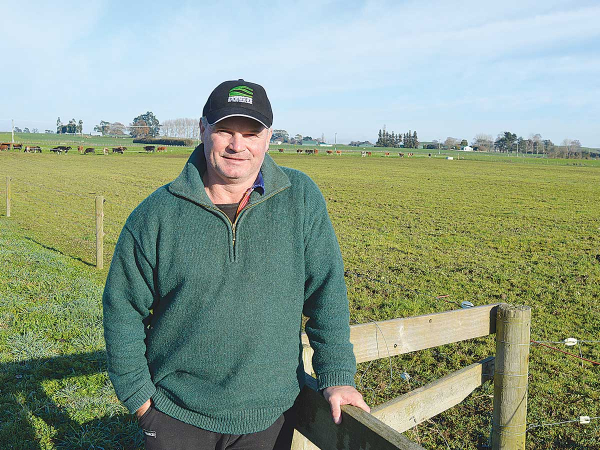 Waikato farmer Andrew McGiven says $1b capital return for Fonterra shareholders in 2024 from asset sales will be a good move.
Fonterra's plan to return $1 billion to shareholders in three years through the divestments of overseas milk pools is the right move, according to Waikato farmer Andrew McGiven.
While the co-operative has used proceeds from previous divestments to reduce debt, this is the first time it has signalled a return of capital to shareholders.
The co-op didn’t return any capital to shareholders after the sale of its ill-fated China Farms. Over the years, the co-op invested close to $1 billion dollars in the Chinese farms – with little or no returns for farmer shareholders.
McGiven believes that after the experience with China Farms, most shareholders and milk suppliers will back the sale of the remaining overseas milk pools.
Fonterra believes it has an opportunity to differentiate New Zealand milk further on the world stage, with the aim of getting more value from the co-op’s milk.
As a result, it is reviewing ownership its Chilean and Australian businesses where it still collects and processes milk.
McGiven, a former Waikato Federated Farmers president, told Dairy News that selling assets and returning most of the proceeds to shareholders is the right thing to do “if those plants pose a risk of becoming a burden on the balance sheet”.
“Since those assets have been paid for over time by the suppliers, then that is where the sales proceeds should go.”
He says focusing on NZ milk is a no-brainer.
“Especially now that we have with a static milk pool and increasing competition for milk from new processors,” he says.
“Fonterra can better monitor the quality of the product and better secure the supply chain so that potential milk contamination issues can’t occur and also better oversee costs.”
Chief executive Miles Hurrell says as the co-op looks out to 2030, the fundamentals of dairy – in particular, New Zealand dairy – look strong.
“Put simply, the world wants what we’ve got – sustainably produced, high-quality, nutritious milk,” he says.
“This comes at a time when we see total milk supply in New Zealand as likely to decline, and flat at best. On one hand, this requires the right capital structure to help ensure we don’t lose the benefits of what generations of farmers have built – a New Zealand dairy cooperative of scale.
“But on the other hand, it gives us more options to be selective about what we do with our coop’s milk. In doing so, we can increase the value we generate for farmers and New Zealand over the next decade.
“To make this happen we have made three strategic choices – continue to focus on New Zealand milk, be a leader in sustainability and be a leader in dairy innovation and science.”
Fonterra also plans to boost its annual R&D investment by over 50% to around $160 million per annum in 2030.
Fonterra Co-operative Group chief financial officer Andrew Murray has resigned to take up a role outside the dairy giant.

Four candidates have been confirmed for two director positions on Fonterra’s board.
A record farmgate milk price and strong global demand is laying the foundation for continued growth of organic dairy farming in New Zealand.
Waikato milk processor Tatua has again declared a record milk payout to farmer shareholders, leaving other processors in the dust.
Fonterra has unveiled its annual results for the 2026 financial year, posting $27 billion in revenue and close to $20 billion returned to New Zealand farmer owners and unit holders.


National’s pledge to introduce 19 new national standards shows the party is serious about getting Wellington out of farming, Federated Farmers says.
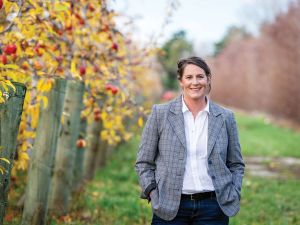
The National Party’s policies to make it easier to grow fresh vegetables, secure reliable water and energy and simplify farm planning are practical changes that will give growers the confidence to invest, according to Horticulture New Zealand (HortNZ).
Fonterra Co-operative Group chief financial officer Andrew Murray has resigned to take up a role outside the dairy giant.
A major move is about to get underway to improve the quality and viability of dairy beef and cattle in NZ.
Veterinarians say changes to the code of welfare for dairy cattle provides a positive foundation for improved cattle welfare across the country.
Today, 15 October, is the International Day of Rural Women, which recognises rural women’s contribution to farming, communities and the environment.

OPINION: It seems Canterbury processor Synlait is still in the doldrums.
OPINION: Get offside with New Zealand First leader Winston Peters at your own peril.




