
Feds Back National’s 19 Farming National Standards
National’s pledge to introduce 19 new national standards shows the party is serious about getting Wellington out of farming, Federated Farmers says.




 increase font size
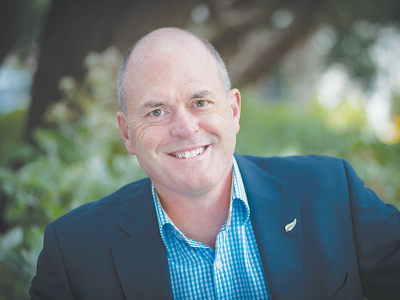 Todd Muller says “we no longer believe Fonterra needs to give these future competitors a hand up.”
The time has come to reduce aspects of Fonterra’s regulatory burden, National’s Agriculture spokesperson Todd Muller says.
National opposed the Dairy Industry Restructuring Amendment (DIRA) Bill at its first reading.
Competitive pressure -- rather than half-baked regulation -- should drive the dairy market forward, Muller says.
“National believes it is vital we have an efficient and innovative dairy industry that supports the long term interests of farmers and consumers. This means having a strong Fonterra, strong smaller manufacturers and a robust domestic liquid milk and retail market.”
The Government’s Bill goes some way to achieving this, he says.
“It makes sense that Fonterra can now build in robust animal welfare and environmental conditions to its supply terms,” he said.
“However, we believe the New Zealand market is sufficiently mature for Fonterra to have the ability to treat returning suppliers on different commercial grounds from those who have stayed with the cooperative.
“We’re also opposed to Fonterra having to continue to support scale competitors with start-up milk supply. There is a vibrant competitive milk supply landscape in New Zealand, which is only going to increase as global interests eye up our milk pool. We no longer believe Fonterra needs to give these future competitors a hand up.
“National supports rural New Zealand and knows the importance of the dairy industry to our country. We want legislation that will help it succeed on the world stage, not constrain it.”
Changes proposed to DIRA will keep the open entry and exit provisions which Fonterra had been hoping to shed.
Instead, Fonterra would get a limited exception where it could reject an application to become a new shareholding farmer or turn down an existing application for an increased supply if the supplier could not meet Fonterra’s terms of supply, or if the farm had been a conversion to dairying.
Those terms could relate to and allow different prices based on farm performance, including animal welfare, food safety, health and safety, employment conditions, environmental, climate change and other sustainability standards.
Independent processors with their own supply of 30 million litres or more in a single season would no longer be able ask Fonterra for extra regulated milk.
However, the proposals if implemented would raise Fonterra’s obligatory sales volume of regulated milk to rival Goodman Fielder to 350 million litres per season from 250 million litres, albeit at a higher price.
Agriculture Minister Damien O’Connor welcomed the first reading of the DIRA bill in Parliament on August 27.
“The Government’s proposed changes to this legislation will support our dairy sector to produce and export high value goods in a way that sustains the environment it relies upon,” he said.
“One of the 12 priority outcomes of the coalition Government is to build a productive, sustainable and inclusive economy, and the dairy industry is a crucial player in that journey. It is our largest export sector, contributing nearly $8 billion to New Zealand’s total GDP.”
Change is necessary to help get the dairy sector in better shape for the future, says O’Connor.
“The DIRA was passed into law in 2001 and saw the creation of Fonterra. It also promotes the efficient operation of dairy markets in New Zealand.
“The industry has changed considerably since 2001, and it is important to ensure the regulatory regime puts the sector in the best possible position.
“The changes the Government is [proposing would] support our dairy sector to produce and export high value goods in a way that sustains the environment it relies upon.
“DIRA drives much of this work and after 17 years it’s the right thing to do to make it fit for the 21st century.”
O’Conner says the bill will now move to the primary production select committee.
“I encourage people to have their say. I want to make sure we have a law that is going to work for everyone it affects.”
National’s pledge to introduce 19 new national standards shows the party is serious about getting Wellington out of farming, Federated Farmers says.

Fonterra Co-operative Group chief financial officer Andrew Murray has resigned to take up a role outside the dairy giant.
Four candidates have been confirmed for two director positions on Fonterra’s board.
A record farmgate milk price and strong global demand is laying the foundation for continued growth of organic dairy farming in New Zealand.
Farmer-owned fertiliser company, Ballance Agri Nutrients is welcoming National’s plan to negotiate security agreements with key supplier countries to protect New Zealand-bound products from export restrictions and greater supply chain certainty.


National’s pledge to introduce 19 new national standards shows the party is serious about getting Wellington out of farming, Federated Farmers says.
The National Party’s policies to make it easier to grow fresh vegetables, secure reliable water and energy and simplify farm planning are practical changes that will give growers the confidence to invest, according to Horticulture New Zealand (HortNZ).
Fonterra Co-operative Group chief financial officer Andrew Murray has resigned to take up a role outside the dairy giant.
A major move is about to get underway to improve the quality and viability of dairy beef and cattle in NZ.
Veterinarians say changes to the code of welfare for dairy cattle provides a positive foundation for improved cattle welfare across the country.
Today, 15 October, is the International Day of Rural Women, which recognises rural women’s contribution to farming, communities and the environment.


OPINION: It seems Canterbury processor Synlait is still in the doldrums.
OPINION: Get offside with New Zealand First leader Winston Peters at your own peril.




