Mark Cameron Steps Down, Reflects on Farmers' Voice
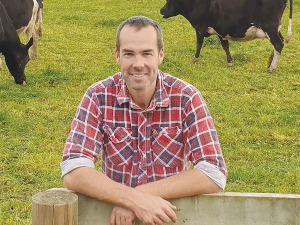
When Northland farmer Mark Cameron entered parliament six years ago, the Beehive was a lonely place.




 increase font size
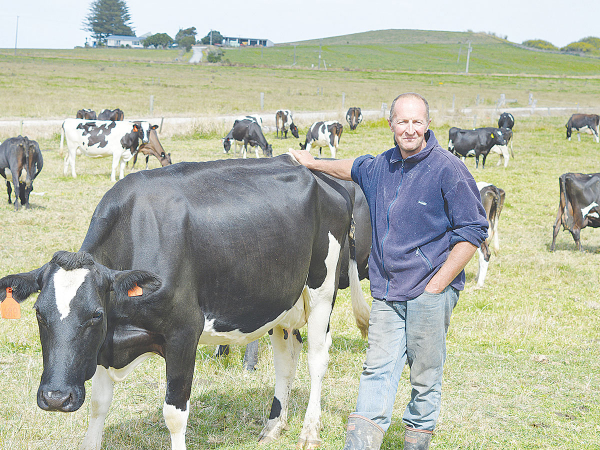 ACT primary industries spokesman Mark Cameron says the Far North District Council has done the right thing by pausing the mapping of Significant Natural Areas (SNAs) in the region.
The Far North Council is being praised by ACT primary industries spokesman and Ruawai farmer Mark Cameron for dropping the contentious Significant Natural Areas (SNAs) mapping policy.
Cameron claims that private property rights are under threat thanks to the Government's directive to councils to identify and manage SNAs.
Cameron attended at protest meeting in Northland last month when more than 500 people called on the council to drop SNAs policy.
SNAs were brought in under the Resource Management Act in 1991 when councils were charged with identifying and protecting areas with significant habitats of indigenous biodiversity.
Around 60% of councils have identified SNAs but the Government admits the work has not been done in a consistent way due to lack of clarity.
That has led to loud opposition from farmers and iwi and some councils have scrapped or shelved the process.
The Far North District Council voted recently to continue developing the content for the draft District Plan, but to remove SNA maps developed by ecologists from the document.
The council's strategy and policy committee chair Councillor Rachel Smith says the decision endorses an undertaking Mayor John Carter made in June to 'pause' the mapping of SNAs.
"This followed protests by tangata whenua, farmers and other landowners who said the proposal to identify land as SNAs undermined their sovereignty and property rights.
"This opposition culminated in a large hikoi to the Council's Kaikohe headquarters where tangata whenua delivered a petition against the process," she says.
"Our decision provides a clear way forward for our draft district plan, while acknowledging more direction is needed from central government on how to support landowners to protect significant species and habitats."
Cameron believes the council has done the right thing because "the depth of feeling was clear, people were angry and worried about this policy".
"SNAs undermine conservation efforts by the people who care most about the environment. Farmers have the biggest incentive to care about the environment because they make a living from it.
"If you take away property rights, there's no incentive to be a conservationist. Who would be a conservationist on their own land if the reward is getting your land confiscated? Countries without property rights are environmental disasters.
"Actively punishing people if they look after their wetlands is among the worst policies this Government has put in place.
"There's a better way. Landowners, councils and conservationists already work together to protect indigenous biodiversity. Instead of land grabs, the Government should be supporting these pre-existing efforts."
When Northland farmer Mark Cameron entered parliament six years ago, the Beehive was a lonely place.
Retiring MP and dairy farmer Mark Cameron is blasting the Green Party for proposing to ban the use of synthetic fertiliser and cutting cow numbers.
The ACT Party says media reports that global dairy giant Nestle has withdrawn from the Dairy Methane Action Alliance shows why New Zealand needs to rethink its approach to climate.
OPINION: Is the Government's taxonomy proposal dead in the water?
OPINION: ACT MP Mark Cameron isn’t everyone’s cup of tea, but he certainly calls it how he sees it, holding nothing back when ‘climate scientists’ had a crack at Kiwi farmers recently:



Now in its fourth year, the 2026 Fencing Industry Awards, formed part of the proceedings of the FCANZ Conference, held in Nelson during August.
DairyNZ deputy chair Cameron Henderson has been re-appointed unopposed for another term.
OPINION: The stats speak for themselves.
Farms across the upper North Island are trialling different pasture mixes as part of a research programme that aims to build greater resilience into farming systems.
Election years are always a concerning time for farmers, according to DairyNZ chair Tracy Brown.
The Ballance Farm Environment Awards are coming to the West Coast of the South Island.




OPINION: It seems Canterbury processor Synlait is still in the doldrums.
OPINION: Get offside with New Zealand First leader Winston Peters at your own peril.